



How will the stock exchange drive Jamaica’s recovery?
Next week Tuesday evening will be the opening of the Jamaica Stock Exchange Annual Conference under the theme ‘Capital Markets Fueling Economic Resurgence and Resilience’. Jamaica’s Prime Minister Dr Andrew Holness will give a speech that evening under the theme ‘Jamaica: Devastation, Relief, Recovery, Resilience’, making this potentially one of the most important conferences since its inception, as it will provide an opportunity for the Government to outline its plan for recovery from Hurricane Melissa.
Other key speakers that evening will include newly minted Jamaica Stock Exchange CEO Livingstone Morrison (a former deputy governor of the Bank of Jamaica), Angus Young (CEO of NCB Capital Markets Limited, a key part of the non-bank financial system that will need to finance our recovery), and chairman of the Jamaica Stock Exchange (and CEO of GraceKennedy’s Financial Group) Steven Whittingham.
Honorary Jamaican Gregory Fisher also returns for his 21st year as lead sponsor as a managing director for US investment bank Jefferies (the lead sponsor for the past 11 years) after previous incarnations with Bear Stearns and then Oppenheimer. Fisher, our home-grown Caribbean “Bond King” (he has literally been part of the regions integration with the global capital market) is now head of emerging market Fixed Income and Wealth Management for Jefferies, and is bringing with him Jefferies co-head of wealth management Michael Pagano to speak on Wednesday morning next week.
That same session will be opened by our own still relatively new Minister of Finance Fayval Williams with a presentation titled ‘Government priorities to deepen Capital Market Development’. Her view on the Government’s role in the recovery will be complemented on Thursday by Minister of Industry and Commerce Senator Aubyn Hill, Jampro’s President Shulette Cox, and Development Bank of Jamaica’s Managing Director Dr David Lowe, who is one of those tasked with leading the recovery effort. Critically, the multilaterals will also be represented in the form of the Inter-American Development Bank and the African Export-Import Bank (Afrexim).
The difficult key questions that will hopefully begin to be answered at the conference is: How will Jamaica’s recovery be financed in a manner that will allow it to build back in a resilient fashion that reduces future vulnerability to the inevitable weather events created by climate change? How do we finance small businesses, and individuals, that have lost everything?
Up to this point the majority of the relief efforts have come from the local private sector and individuals, the Diaspora, and global partners, while the Government has focused more on opening roads and other important logistics. In the case of the latter, the role of the Jamaica Defence Force, working along with the six Chinook helicopters of the US Army, was particularly noteworthy in the early days of the crisis before roads were open.
While it is perhaps unfair to single out one of the key private entities working on relief over the past couple of months, it is important that the work of the joint private sector emergency operations centre (PS-EOC) be recognised. The EOC helped coordinate the “umbrella” relief efforts of the Private Sector Organisation of Jamaica (PSOJ), the Jamaica Chamber of Commerce (JCC), and Jamaica Manufacturers and Exporters Association (JMEA). The EOC team, led by Lisa Soares Lewis, helped bridge the gap between high-level economic recovery and boots on the ground disaster management. It included former National Export-Import Bank of Jamaica (EXIM Bank) CEO Lisa Bell, Ali Matalon, and many others.
Looking at lessons learnt, Soares Lewis observed the following on the role of the private sector in disaster management: “In the wake of a Category 5 storm, the private sector cannot afford to be a bystander. We learned quickly that while the event is natural, the disaster is often a result of our own level of preparation. By activating the PS-EOC, we immediately shifted from business competition to national coordination, ensuring that we didn’t just leave recovery in the hands of the Government but became an active partner in stabilising commerce and restoring the livelihoods of our people.”
According to Soares: “One of my most critical roles was navigating the complex landscape of international humanitarian and donor agencies. To optimise assistance, we had to deeply understand the scope of partners, like the World Food Programme, OCHA [United Nations Office for the Coordination of Humanitarian Affairs], and the critical work and reach of the World Central Kitchen, among many others to whom we were deeply grateful for their efforts to feed residents in far-flung and severely affected areas. This allowed the PS-EOC to act as a bridge, connecting corporate resources and logistics — like our support for Operation Starfish — with global expertise to ensure relief reached the right places at scale and with pace.”
She further stated: “We need to demystify ‘resilience’ and bring it down to the household level. While some parishes were largely unscathed by Hurricane Melissa, the reality is that the next hurricane season is only months away. Resilience means the residents in eastern parishes checking their hurricane straps today. On a national scale, it means a relentless alignment on building codes and town planning so that we are less vulnerable when the next major storm inevitably approaches. We must take it seriously.”
Commenting on Soares Lewis’s role in the crisis, President of the JCC Emile Leiba observed: “Lisa made herself available at a critical time for the private sector, and gave yeoman’s service in the creation of a much-needed structure to coordinate the private sector’s efforts to create an essential bridge between the private sector, public sector, and international partners.”
One of the key lessons of this crisis is the critical role of logistics and coordination in any relief effort, and the importance of a true partnership between the Government and private sector. Of particular future importance will be the role of the stock exchange in mobilising the local equity capital to allow the promised billions in private sector debt financing to be accessed from the multilaterals, without which Jamaica’s recovery will be dramatically impaired.

Keith Collister

Lisa Soares Lewis
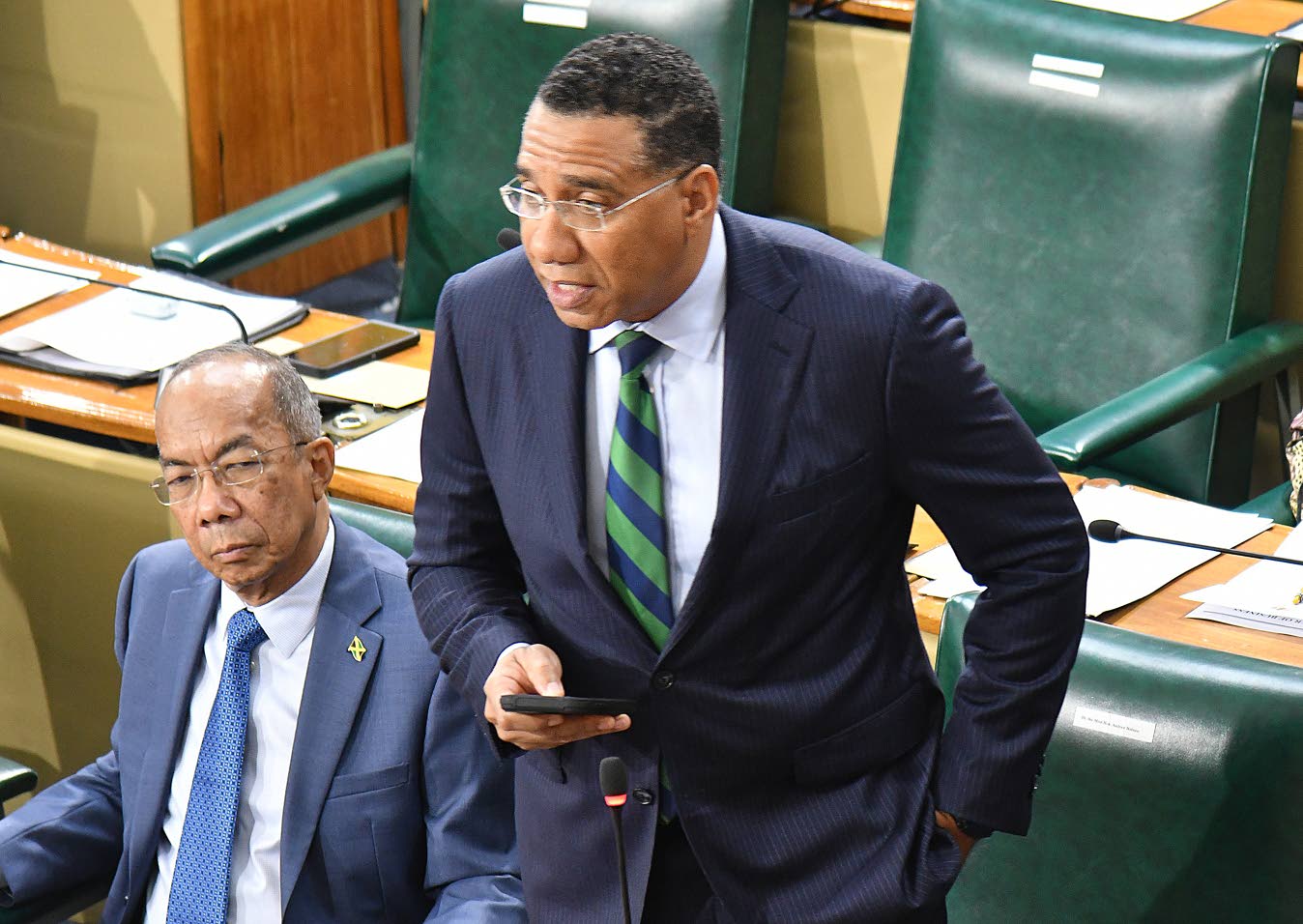
Dr Andrew Holness (Photo: Karl McLarty)
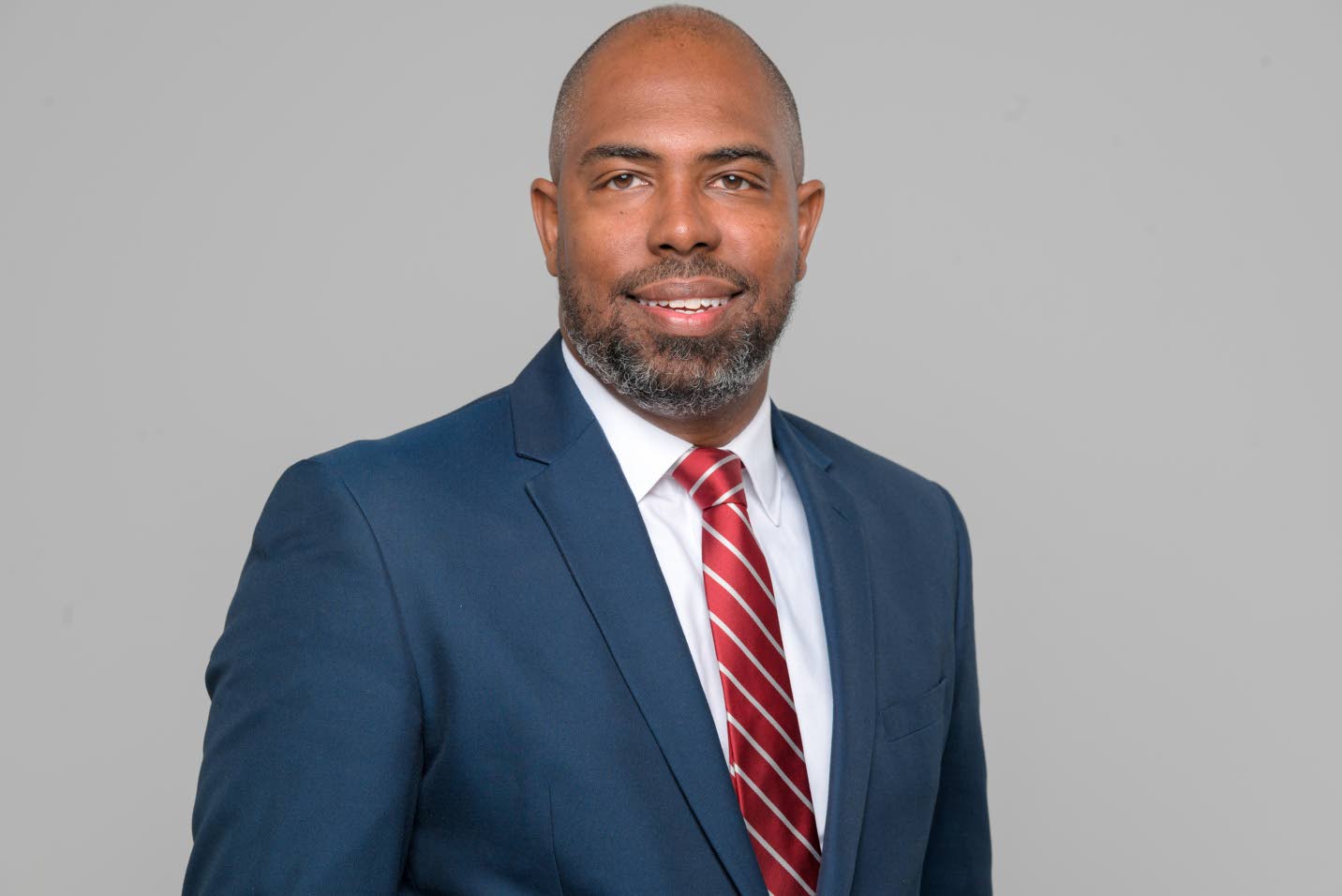
Steven Whittingham,


