



Reflections on sugar this Lenten season
AS we enter the Lenten season, a period traditionally associated with reflection, sacrifice, and discipline, many Jamaicans are choosing to give up something for 40 days. For some, that choice may well be sugar.
This year, that personal reflection coincides with a national conversation. The recent announcement by Minister of Finance Fayval Williams of a Special Consumption Tax on sugary drinks has sparked strong reactions. That is understandable. Whenever the Government introduces a tax, particularly on widely consumed products, it will generate debate.
But beyond the politics and the noise we must ask a more important question: What is this about? It is about public health?
Jamaica is facing a serious and growing burden from non-communicable diseases such as hypertension, diabetes, heart disease, and stroke. These are not abstract statistics. They are affecting our families, reducing productivity, and placing enormous strain on households and the health system.
Take the impact of sugar consumption more seriously
More than 25 per cent of Jamaicans live with at least one non-communicable disease. Hypertension affects roughly 15 per cent of our population. Diabetes continues to rise. Among our elderly, nearly four in 10 live with multiple chronic conditions.
Excessive consumption of sugar-sweetened beverages contributes to this crisis. No single policy will solve the problem. The tax alone will not fix obesity or eliminate diabetes but it sends an important signal that, as a country, we must begin to take the impact of sugar consumption more seriously.
This measure aligns with Jamaica’s broader national strategy for the prevention and control of non-communicable diseases, which aims to reduce premature deaths and improve quality of life through prevention, early detection, and healthier environments.
It also does not stand alone. Through initiatives such as Know Your Numbers, which promotes regular screening for blood pressure, blood sugar, and cholesterol; and Jamaica Moves, which encourages physical activity and healthier lifestyles, we have consistently emphasised prevention. The sugary drink tax is one additional tool in that broader effort.
This is not about restricting freedom
The Government will never tell Jamaicans what they must or must not drink. The choice remains yours. However, public policy has always played a role in shaping healthier environments. We regulate tobacco. We regulate alcohol. We set seatbelt laws. Prevention is always less costly — both in human and economic terms — than treatment.
International research continues to show the link between high added-sugar intake and cardiovascular disease. Diets high in added sugar are associated with higher risks of hypertension, inflammation, diabetes and heart disease. These are realities we see every day in our clinics and hospitals. The debate should not be framed as Government versus industry. It should be framed as how we work together to improve national health.
Reformulation is possible. Smaller portion sizes are possible. Clearer labelling is possible. Affordable, healthier alternatives are possible. Innovation is possible. Many manufacturers globally have already reduced sugar content in response to similar measures. Consumers are increasingly demanding healthier options. This presents not only a challenge, but also an opportunity.
As we reflect during Lent, perhaps this moment invites us to examine our own habits. If giving up sugary drinks for 40 days feels difficult, that may tell us something about how much sugar has become part of our daily routine. The goal is not punishment. The goal is prevention.
We must confront the long-term cost of chronic disease
The economic impact of Hurricane Melissa has forced difficult fiscal decisions. But beyond revenue considerations we must confront the long-term cost of chronic disease. Dialysis, amputations, heart attacks, and strokes carry far greater economic and human costs than any single tax measure.
This conversation is bigger than one beverage or one company. It is about whether we, as a nation, are willing to confront lifestyle diseases with seriousness and courage.
The choice remains individual. Leadership, however, requires creating an environment that supports healthier decisions.
Let us look at the bigger picture.
Dr Chris Tufton, CD, MP, is Jamaica’s minister of health and wellness. E-mail: cctufton@gmail.com
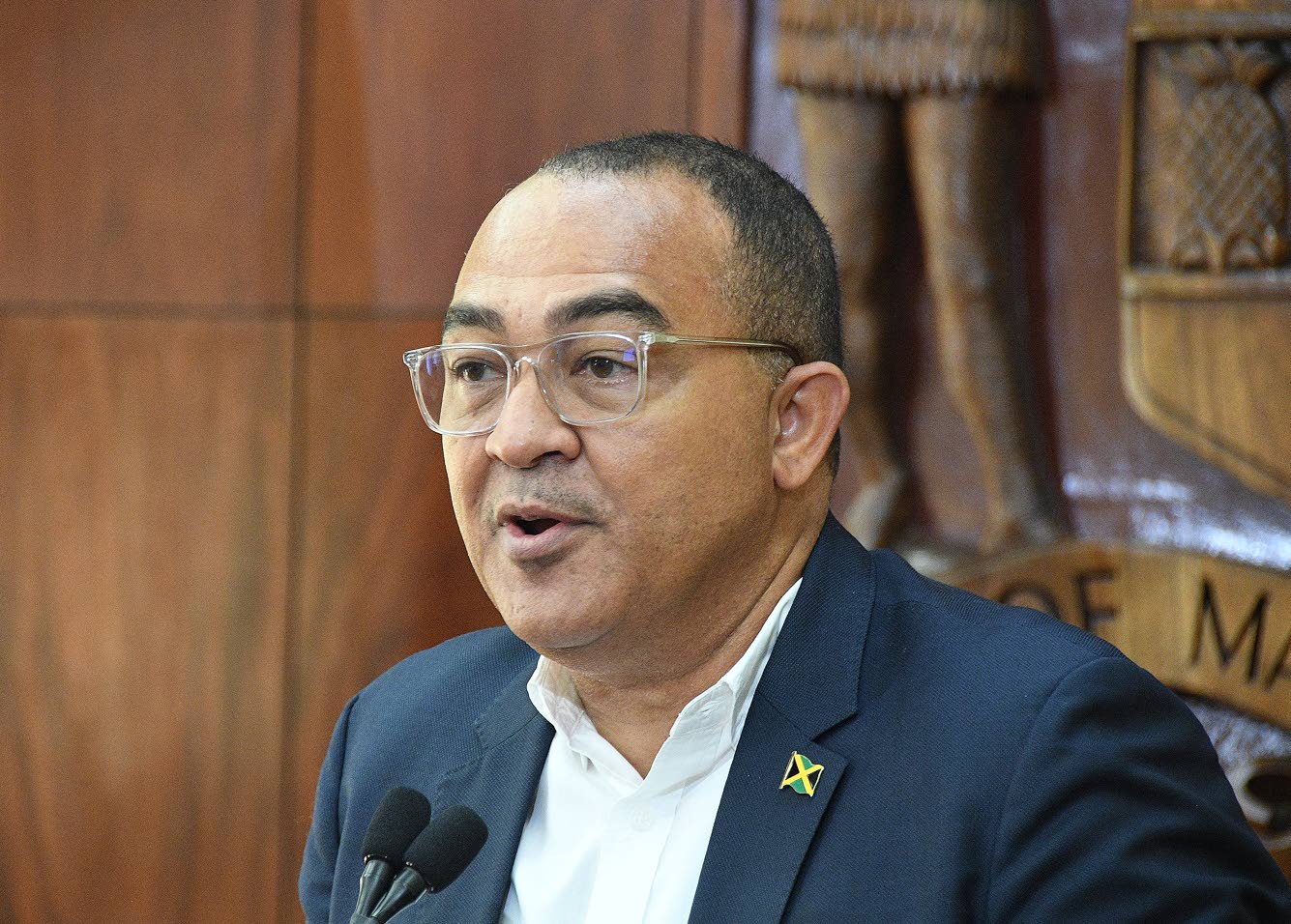
Dr Cristopher Tufton


