Black River Hospital restoration at 40 per cent
Hospital CEO hopeful of return to safer building before new hurricane season
ESTIMATING that reconstruction of the Hurricane Melissa-damaged Black River Hospital in St Elizabeth is approximately 40 per cent complete, Chief Executive Officer Diana Brown Miller is encouraged by the pace of recovery and remains hopeful that doctors and nurses will be able to move out of tents and back into the main facility before the start of the next hurricane season in June.
It has been 124 days since the Category Five hurricane tore across sections of Jamaica on October 28, 2025, damaging critical infrastructure and claiming the lives of at least 45 people.
While Brown Miller acknowledged the progress made, she cautioned that considerable work is still ahead before operations can be fully restored.
“In terms of the emergency reconstruction, the plan was to restore the two main ward blocks — that would have been the two male wards, the paediatric ward, and the female ward — as well as the operating theatre.
“The operating theatre is slated to be completed soon because, of course, it was not badly damaged. We had just completed the renovation of that department, so we are hoping to have it completed this month, and we’re hoping that we can at least start using it by sometime in March,” the hospital CEO told the Jamaica Observer.
She noted that the reconstruction of the wards was initially a 100-day project that sought to put sheets of zinc on the roofs; however, the plan changed to installing decked roofing, which will take more time.
“I hear Health Minister [Dr Christopher Tufton] say he’s looking at a March 31 deadline. Based on what I’m seeing on the ground, though, I’m thinking it will take a little more than that, so I am looking at probably the end of April into May for the completion of those works that have been done,” she said.
Brown Miller added that work to connect the corridors to the accident and emergency department is also ongoing, and the hospital lab is nearing completion and awaiting the arrival of computers.
Meanwhile, other key infrastructure, such as the maternity ward, outpatient clinic, and dietary department, are on the list of structures that have not yet started or are not far along in the process.
“I think the contractors have been trying to do their best, working overtime to have the work completed. We recognise, of course, that they would go beyond 100 days, because it’s not just trying to put back on the roof that we had there, we basically have gone further now and are stripping and replacing and doing a lot of work that was not initially included in that 100 days — so we’re satisfied with what’s happening now,” said Brown Miller.
Patients continue to be treated in Samaritan’s Purse-donated field hospital tents on the compound as restoration work continues. Emergent and critical cases are being referred to Mandeville Regional Hospital for advanced care.
The hospital CEO shared that the facility is currently operating at roughly one-third of its normal capacity, with between 40 and 50 beds available out of its full complement of 150.
“It has been rough, I must tell you. There are times when I’m even frustrated with what’s happening. For instance, during the process of construction, electrical wires were damaged, which affects electricity, and, of course, that affects the Internet as well; our communication is also affected along that path. Storage is another issue for us, so it’s rough navigating through this thing and adjusting,” she told the Sunday Observer.
With the start of the hurricane season three months away, she said she is hoping that construction on critical infrastructure will be completed to move staff members and patients from the temporary tents to more secure buildings.
“I am not so sure what would happen should we still be under the tent when hurricane season starts. I know, certainly, it’s not just the start, but the peak of the hurricane season is our greatest concern. Certainly, we will not remain here during that time, in the tents, if the buildings are finished.
“I think we will be more confident in staying with a slab roof, as those stood up during Hurricane Melissa, so I think staff would have been more confident in being here if the two main wards are completed, but, certainly, I, myself, would not want to have to be here during that time, and I would not tell anybody that I would stay here if we have to be housing patients in the tents,” said Brown Miller.
The CEO expressed gratitude to the Ministry of Health and Wellness, as well as the regional and international organisations that stepped in to assist, noting that their contributions have been significant and that the hospital continues to receive vital support. She offered special thanks to the team at Black River Hospital for their resilience and steadfast commitment in the face of ongoing challenges.
“Nearly 50 per cent of our staff lost roofs or had some damage to their homes, but they still turn up — they’re here, and I’m very happy with the service offered. We just ask that they continue to serve and lend them as much support as we can for them to turn up,” she shared.
Brown Miller added that a section of the hospital was temporarily converted to accommodate staff members who lost their homes, providing them with a place to stay as they regroup and adjust in the aftermath of the storm. She noted that psychosocial support was also provided and remains available to staff who require mental health services.
“I just want to thank all of Jamaica, the Diaspora who came to our aid, and especially Samaritan’s Purse, because they were here even before we knew there was a Samaritan’s Purse. All others who continue to support, be it to purchase supplies and who are still planning to, we’re saying thanks to them, to our staff for turning up and offering service, and for all others — the ministry, the region, and just in general — Jamaica, I want to say thank you,” said the hospital CEO.
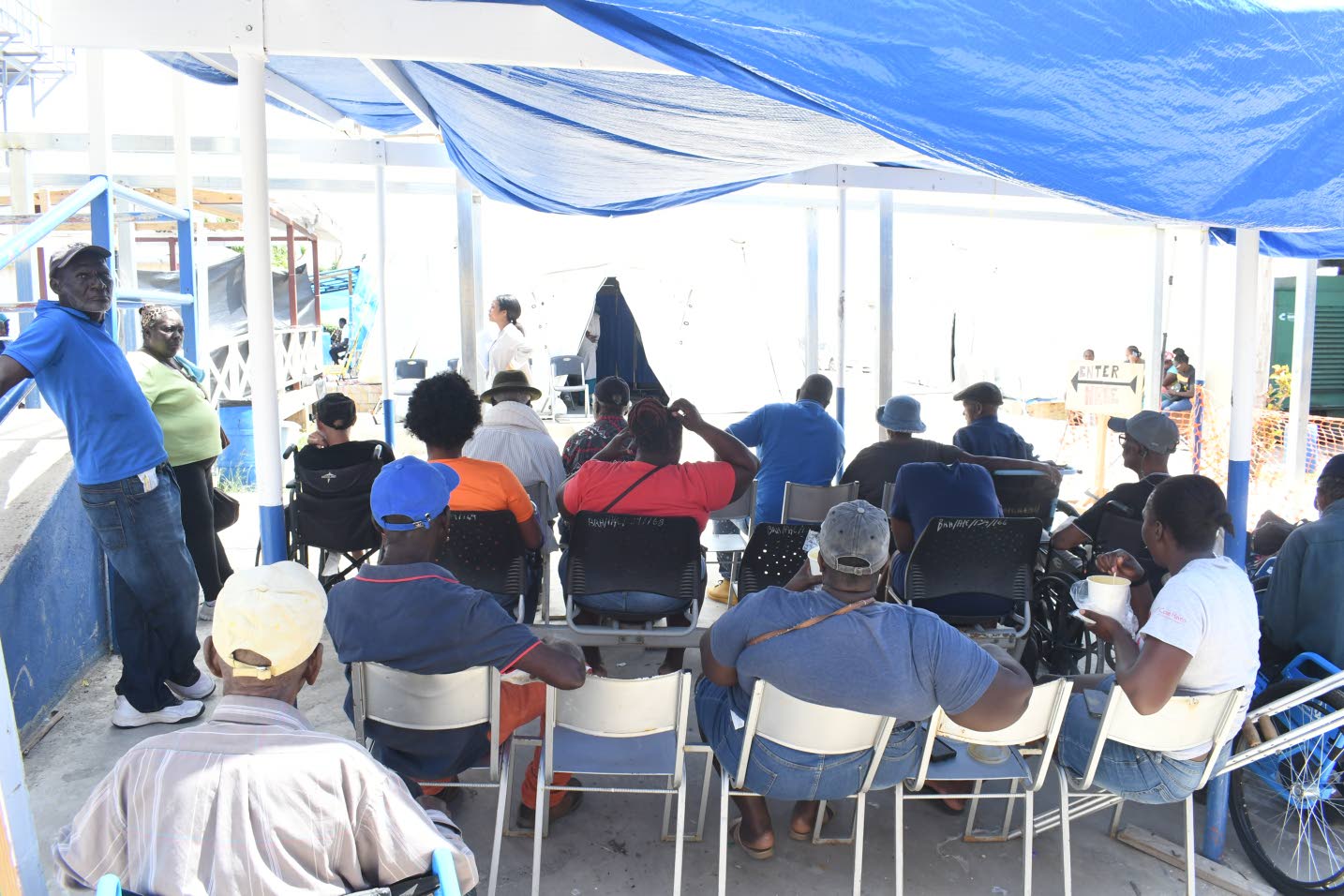
Patients continue to be treated in field hospital tents on the compound of the Black River Hospital.
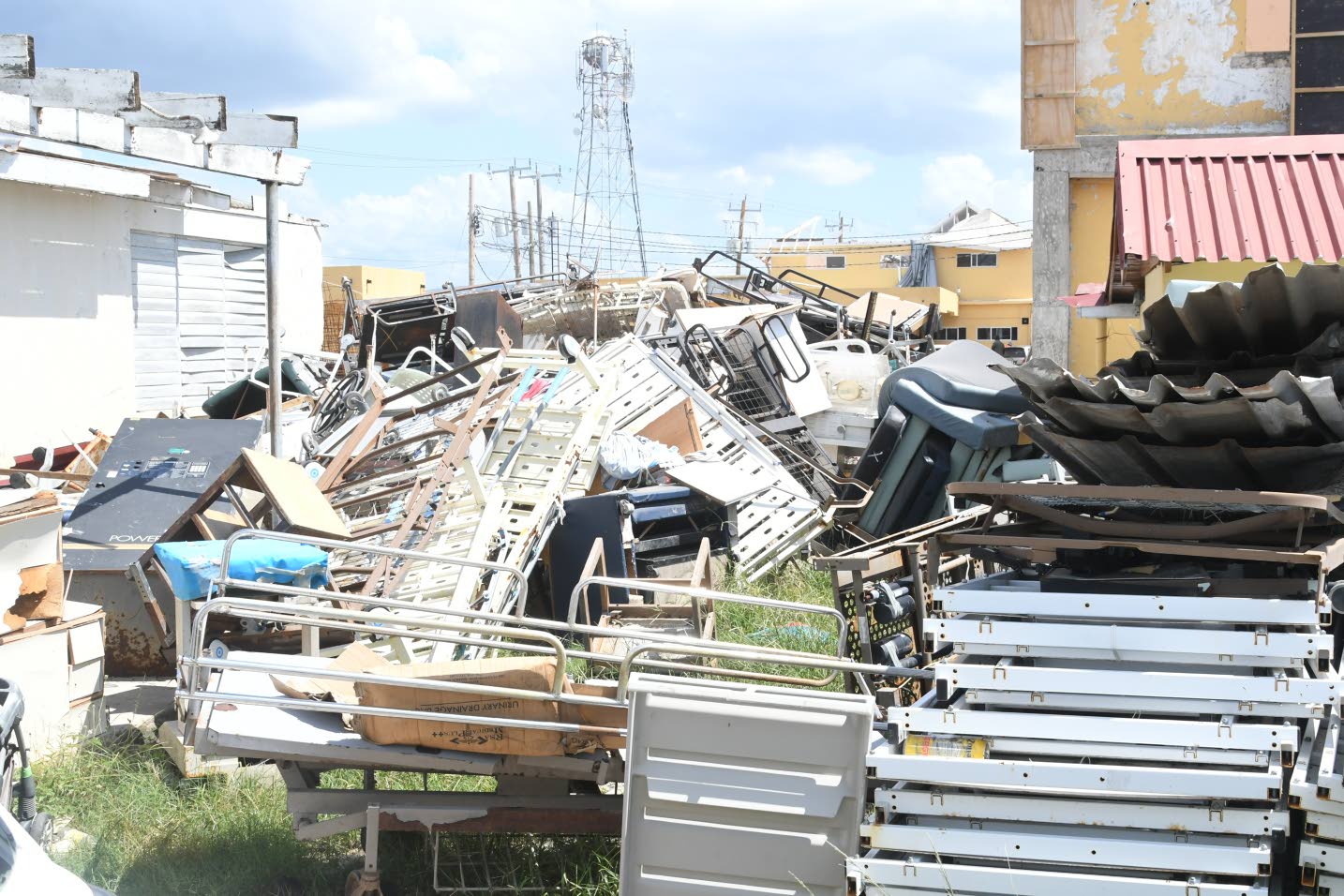
Damaged medical supplies and equipment on the grounds of the Black River Hospital in St Elizabeth.
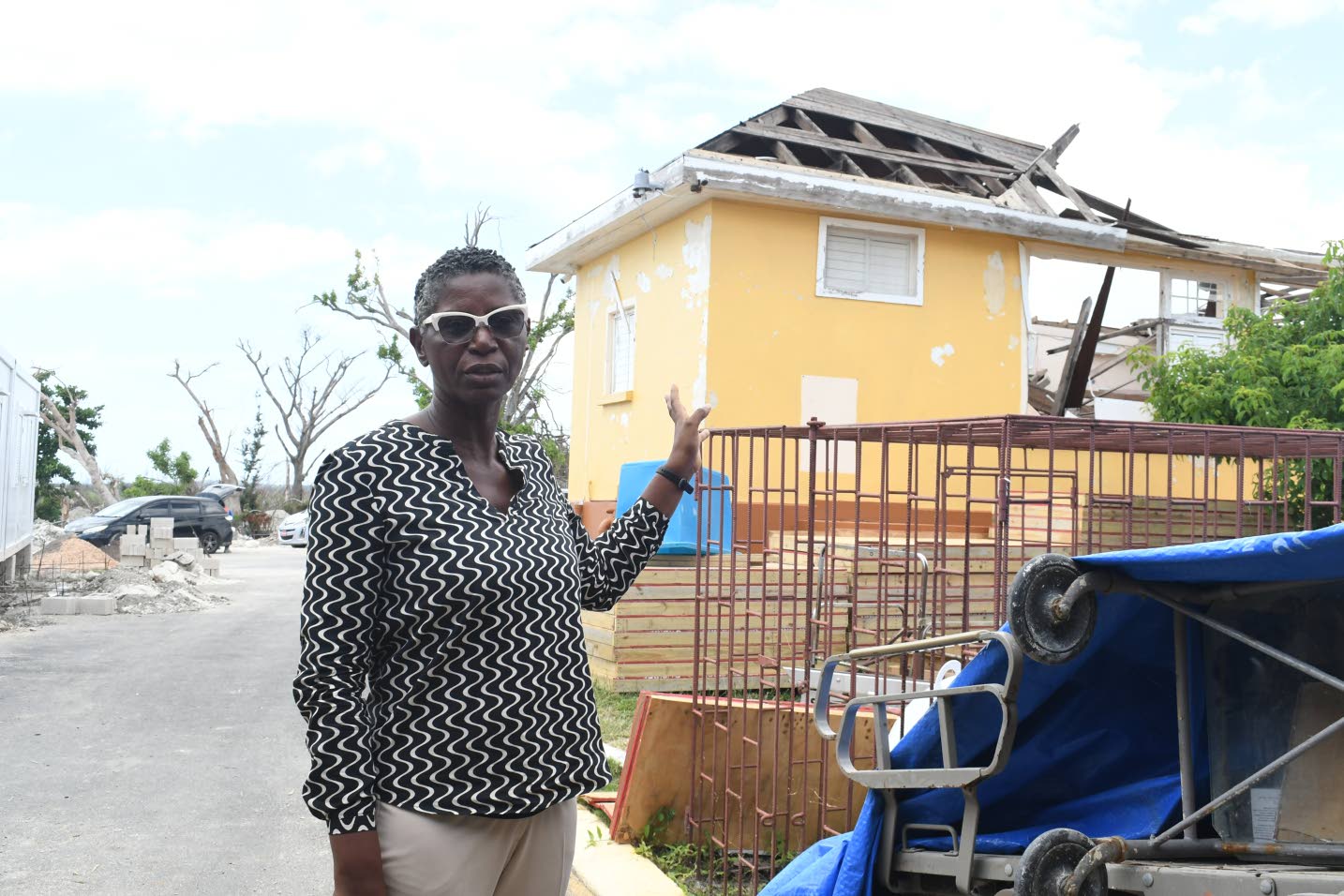
CEO of Black River Hospital Diana Brown Miller points to the maternity ward, which is awaiting repairs.
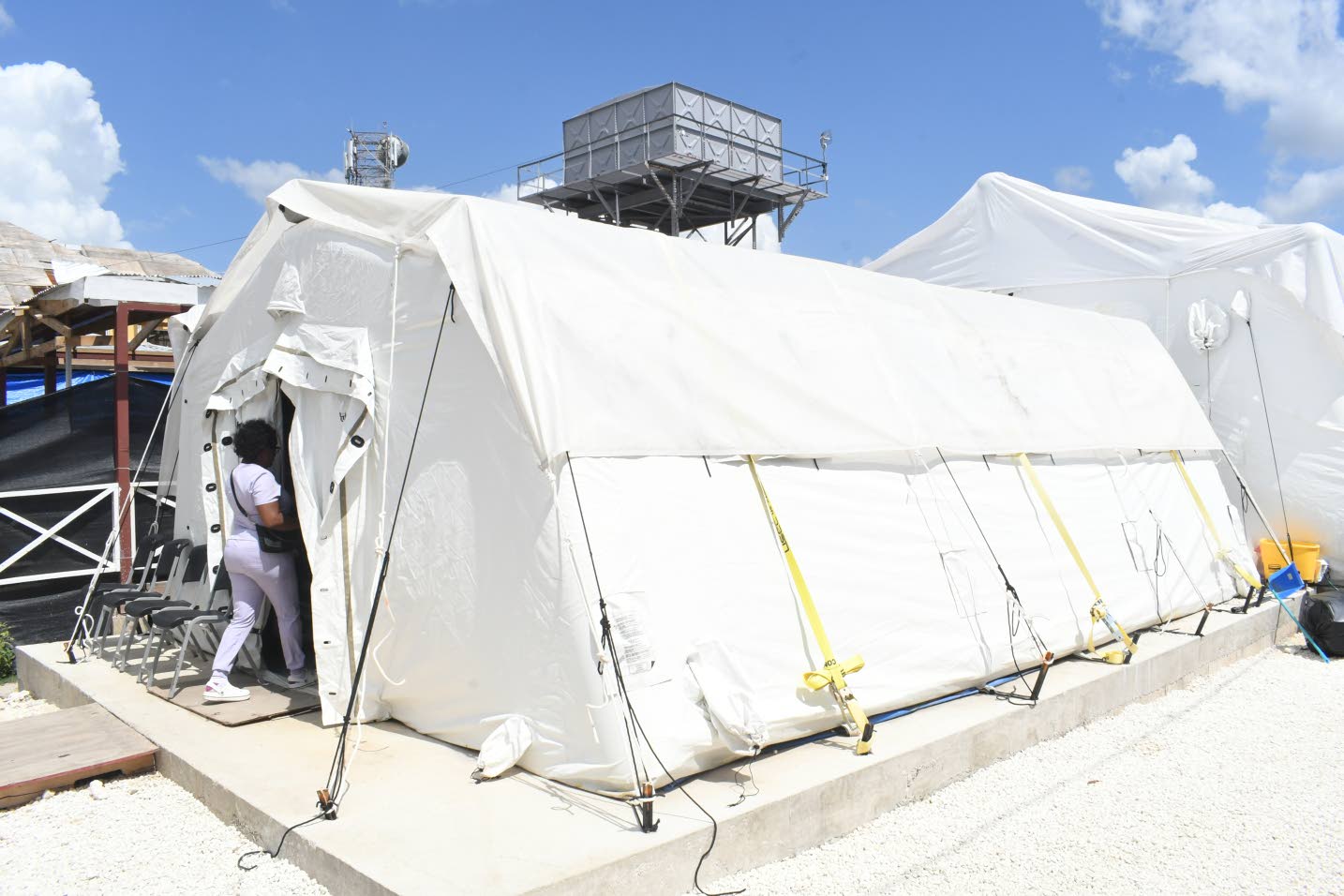
A field hospital donated by Samaritan’s Purse on the grounds of Black River Hospital.