



BOJ launches TV series, interactive game as part of deeper financial inclusion drive
IF your savings are tucked under a mattress, rotating in a partner plan, or sitting in cash because you simply do not trust the banks, you are not alone.
Nearly one in four Jamaican adults — 22.8 per cent — still operates outside the formal financial system, according to the latest Financial Inclusion study from the Bank of Jamaica.
But for the central bank, the more complicated challenge lies beyond that headline figure. While overall financial inclusion has climbed to 77.2 per cent, surveys suggest that access alone is not translating into meaningful engagement. Jamaicans may have bank accounts — yet many still avoid pensions, insurance products, mortgages and even digital payments.
In other words, the barrier is no longer just infrastructure. It is behaviour.
“When we conduct our surveys, we find that Jamaica actually ranks quite high in terms of access to financial products, but comparatively low when it comes to the use of those products,” BOJ Senior Deputy Governor, Dr Wayne Robinson told journalists during the launch of two financial literacy initiatives launched last week.
Economists have long pointed out that access to financial services alone does not guarantee that people will use them. Even when products such as pensions, insurance or investment accounts are available, many individuals still delay long-term financial planning or stick with familiar arrangements such as partner plans and cash transactions.
The central bank’s research suggests that attitudes and trust play a large role in those choices. People tend to gravitate towards financial options they understand and feel comfortable with, while formal institutions can sometimes appear complicated or distant. That hesitation can have wider implications, leaving households more exposed to shocks and limiting the pool of long-term savings available.
To address that gap, the BOJ is launching Common Cents with BOJ, a new television and digital series designed to bring practical financial education directly into households across the island.
Robinson said the programme will run as a 12-episode series, with each episode focusing on a specific financial topic drawn from areas where surveys show Jamaicans need the most support.
“The topics were not chosen randomly,” Robinson explained. “They come directly from areas where we see Jamaicans struggling most — budgeting, managing debt, understanding credit, insurance, pensions and digital payments.”
The programme aims to break down financial concepts using relatable scenarios and everyday language, making it easier for viewers to understand how financial decisions affect their lives.
Head of the BOJ’s Financial Inclusion Unit, Dr Andre Murray, said the goal is to move financial literacy from theory into practical life skills.
“This series will take financial education directly into the living rooms of every Jamaican….When people understand money, they make stronger decisions. When families thrive, the economy grows. And when citizens are confident, the nation becomes more resilient,” he said.
Adults aren’t the only ones being targeted. The central bank also wants to capture the attention of the younger generation through MoneyQuest, an interactive financial education game designed for students in grades four to six.
Developed in partnership with technology firm Database Technologies, the platform uses storytelling and challenges to place students in simulated financial situations where they must make decisions about earning, saving and spending.
The game introduces basic money management concepts — such as budgeting, distinguishing between needs and wants, and planning for the future — while reinforcing lessons through interactive play.
Murray said the initiative reflects a growing understanding that financial habits often begin early in life.
“We’ve had beta testing with schools from around the country. We’re trying to leverage the power of play, help children to develop these habits, confidence and financial skills that will serve them for life,” he said.
The programme was piloted in several schools during development and is expected to be rolled out more broadly across the island beginning in April 2026 with help from the Ministry of Education.
BOJ Governor Richard Byles said both initiatives form part of the central bank’s broader National Financial Inclusion Strategy, which aims to strengthen access, education and trust in the financial system.
Research from the financial inclusion study suggests that increasing access alone does not guarantee greater participation in the financial system. Instead, attitudes, perceptions and confidence in financial institutions play a critical role in shaping how people manage money.
“Every Jamaican, regardless of background or circumstance, should have access to safe, affordable and convenient financial services,” Byles said.
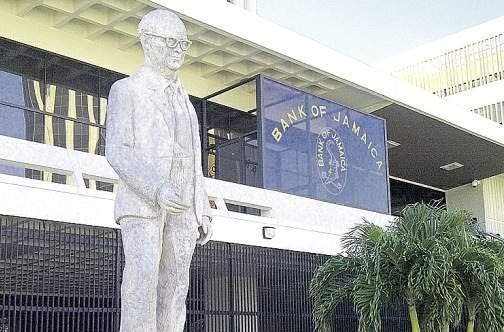
Bank of Jamaica headquarters in downtown, Kingston.


