



Brain fog? There’s a diet for that
IN today’s fast-paced world, many people struggle with brain fog, which is a term used to describe forgetfulness, lack of focus, mental fatigue and slow thinking. While stress, poor sleep and screen overload play a role, diet is one of the most powerful and controllable factors influencing brain performance.
“A brain-boosting diet doesn’t rely on quick fixes or energy drinks; instead, it focuses on nutrients that support memory, concentration, mood and long-term cognitive health,” said nutritionist Helen Buckley-James.
“Diet and targeted supplementation can play a powerful role in reducing brain fog by addressing underlying nutrient gaps and inflammation. For example, omega-3 supplements (especially DHA) support brain cell membrane health and communication, while B-vitamins, particularly B12 and folate, help with energy production and cognitive function.”
She added that magnesium, which is a new interest supplement, may improve sleep quality and stress regulation, both of which directly impact mental clarity. Some people also benefit from adaptogenic herbs like ashwagandha, which may help the body manage stress more effectively.
“However, supplements work best when paired with a balanced diet rich in whole foods, as well as attempts at steady blood sugar control and proper hydration,” said Buckley-James. “Rather than acting on quick fixes, why not start with a strong nutritional foundation that promotes long-term brain performance?”
Buckley-James said brain fog is not a medical condition in itself, but a symptom often linked to blood sugar spikes and crashes, poor gut health, chronic inflammation, dehydration and nutrient deficiencies.
“What you eat directly affects neurotransmitters, inflammation levels and blood flow to the brain,” she emphasised. “And improving your diet can often lead to clearer thinking within weeks.”
She said some key components of a brain-boosting diet are:
Omega-3 fatty acids: Omega-3s are essential fats that support brain cell structure and communication. The brain is nearly 60 per cent fat, and DHA (a type of Omega-3) is crucial for cognitive function.
Sources of this include fatty fish like salmon, sardines, mackerel, chia seeds, walnuts and flaxseeds.
“Research on dietary patterns like the Mediterranean diet shows strong links between omega-3 intake and reduced cognitive decline,” Buckley-James said.
Antioxidant-rich foods: Oxidative stress damages brain cells over time. Antioxidants protect against this damage. Best choices for these foods are blueberries, dark leafy greens, broccoli and dark chocolate.
“The MIND diet, a blend of Mediterranean and Dietary Approaches to Stopping Hypertension (DASH) eating styles, emphasises berries and greens for brain protection,” Buckley-James said.
High-quality protein: Protein provides amino acids needed to produce neurotransmitters like dopamine and serotonin, which regulate mood and focus. Examples of high quality protein are eggs, Greek yoghurt, lean meats and beans and lentils.
“Starting the day with protein can help prevent mid-morning mental crashes,” Buckley-James said.
Complex carbohydrates: The brain runs on glucose, steady glucose. Refined sugar will lead to spikes and crashes that worsen brain fog, she said.
Better carb sources are oats, quinoa, sweet potatoes and brown rice, Buckley-James said. “These provide sustained energy and improve concentration.”
Buckley-James also said you should support your gut health, with foods like yoghurt with live cultures, kefir and high-fibre vegetables.
“Also, even mild dehydration can impair memory and attention. Drinking enough water throughout the day significantly improves mental clarity,” she said.
Meanwhile, there are also foods that may worsen brain fog. These include highly processed foods, foods with excess added sugar, trans fats, heavy alcohol intake, and frequent energy drink consumption, which can increase inflammation and disrupt blood sugar balance.
Below, she shares a practical daily diet plan for boosting brain clarity.
•Breakfast: Greek yoghurt, berries and chia seeds
•Lunch: Grilled fish salad with olive oil
•Snack: Handful of walnuts and green tea
•Dinner: Lean protein with roasted vegetables and quinoa
•Hydration: Six to eight glasses of water daily.
“A brain-boosting diet is not about restriction, it’s about nourishment,” Buckley-James said. “If you focus on healthy fats, antioxidants, quality protein, complex carbohydrates and hydration, you can reduce brain fog and enhance mental clarity. Small, consistent changes in diet can make a noticeable difference in how clearly and efficiently your mind works.”
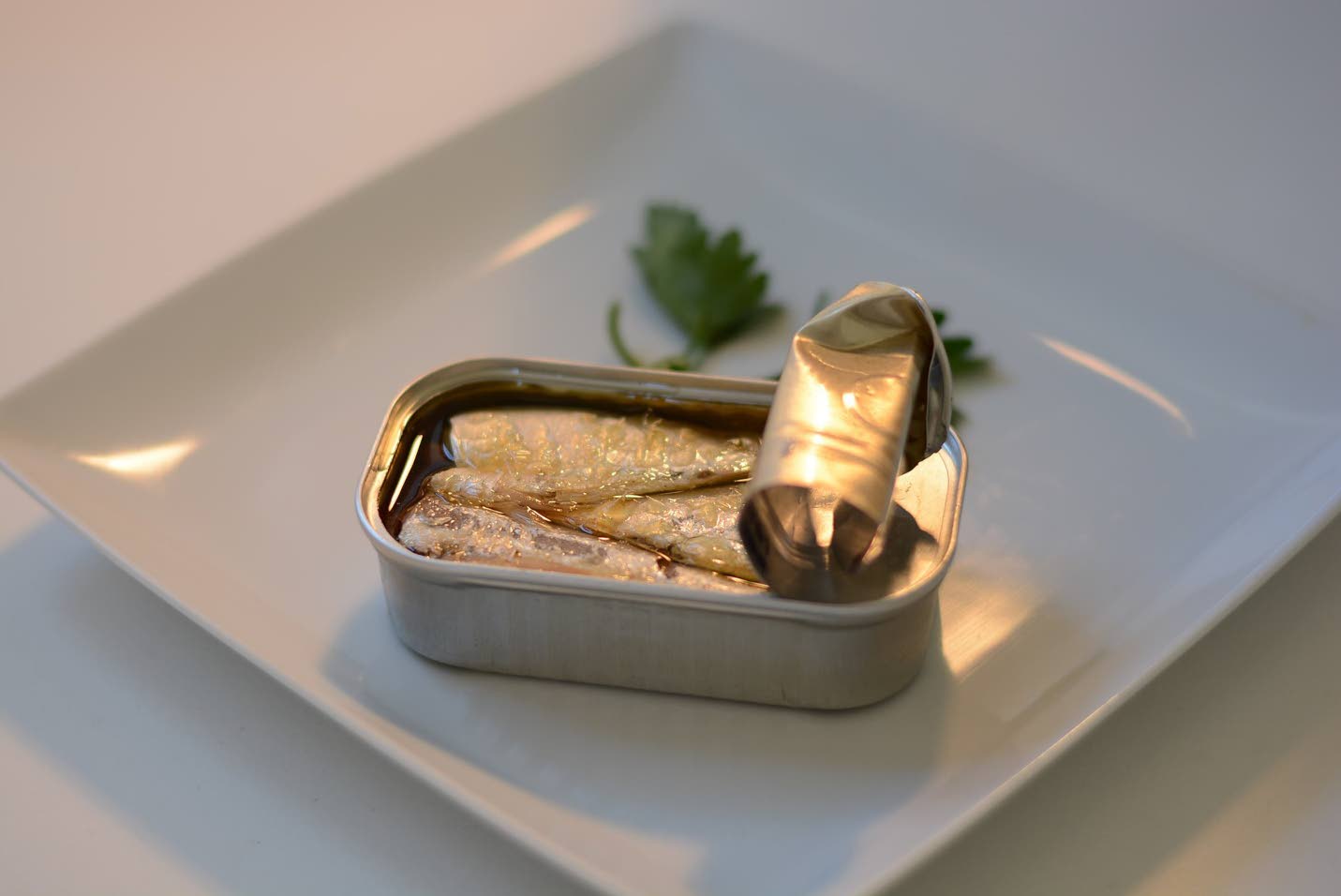
Fatty fish like sardines are a good source of Omega-3s.
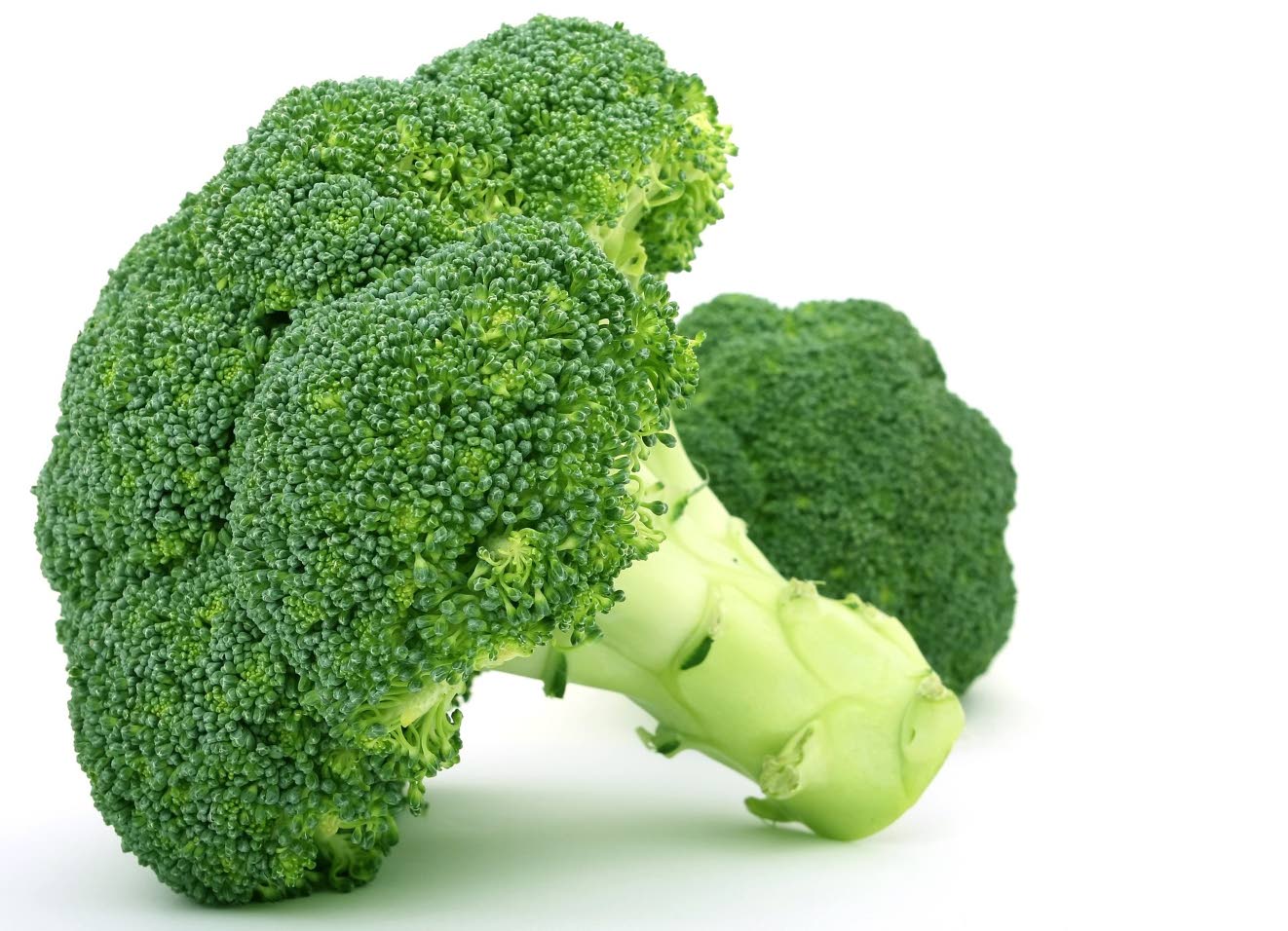
Broccoli is packed with antioxidants.

Eggs are a source of good, high quality protein.

Sweet potatoes are a healthy carbohydrate source.


