



How Jamaica shaped pop’s last great year — 2016
Popular culture today is far from the monolithic era of a vast majority of the world agreeing on commonalities such as Michael Jackson as the King of Pop, Disney making the most popular animated films, or each Harry Potter instalment a must-read for those who went through adolescence as millennials. This fragmentation has led to few emotions of convergence, and in 2026 the world has come to agreement digitally across social media that 2016 was the last “great year” for pop culture.
As one peruses the posts associated with 2016 and its accompanying hashtags, the most frequent call-outs are with regards to the singles released by Drake, Rihanna, Justin Bieber, and a few others such as Black Beetles by Rae Sremmurd. What’s important to remember, note, and learn from is that all the singles by those listed were either Jamaican-influenced or outright Jamaican music genres all done by non-Jamaicans. Whether it was One Dance by Drake and Wizkid, Work by Rihanna and Drake, Justin Bieber’s Sorry, all were essentially Jamaican music inflected lightly with pop and dance music elements for Top 40 compatibility.
While many pundits post-Jamaican Billboard dominance of the 2000s blamed our then newly infrequent chart placements on immigration issues that plagued some of the brightest stars of that era, such as Aidonia, Busy Signal, Beenie Man, and Bounty Killer — all of whom have thankfully had these resolved in the present — and others who were incarcerated, I believe that the issue was much more.
There was collective discourse from many who were gatekeepers as artistes, managers, media, and academia, who flat out rejected the creative developments in dancehall being experimented by Rvssian, Stephen “Di Genius” McGregor, Chimney Records, and Washroom Entertainment. There echoes of “dancehall not sounding dancehall enough” permeated through then traditional media, almost to discredit the innovation in sound that was being developed.
So, what was the result of this? The Diplo-led Major Lazer, DJ Snake, Skrillex, and many more utilised the changes in dancehall being dismissed by the guardians of the gate in Jamaica, and created now decade lasting music, and some would say, the “legacy” music of these artistes’ catalogues to earn for years to come.
A few Jamaicans benefited, such as Richie Stephens, who was sampled by Rihanna and Drake in Work; Stephen “Di Genius” McGregor and Supa Dups, who produced Controlla for Drake; and Walshy Fire, who is a leading member of Major Lazer. However, we failed to capitalise on the Jamaican hybrid music trend due to local myopic thoughts and discussions.
Respect must be shown to Sean Paul, who brilliantly read the tea leaves and benefited from his 2016 singles No Lie, featuring Dua Lipa, and Cheap Thrills with Sia, both being presently some of the most streamed songs of all time, and the latter being the first Jamaican single to go Diamond in the United States (not including worldwide sales like Shaggy and Rik Rok’s
It Wasn’t Me).
Nothing is wrong with change, and nothing is wrong with evolution as long as the core and essence of Jamaican sound remains. Why are thoughts towards trap dancehall’s hip hop intertwine so negative when the some of the same critics benefited from the R&B-New Jack Swing incorporations in Shabba Ranks’ crossover singles, Dolly My Baby and Super Cat’s Ghetto Red Hot’s hip hop infusions, as well as the Wyclef Jean interpretations of dancehall for both Beenie Man and Bounty Killer alike. And the list goes on.
So let’s root for Rvssian’s consistent return to dancehall rhythms, as when he made his foray into reggaeton he was a spearheader of trap-reggaeton, and was so successful that even Bad Bunny’s first Billboard chart placement was courtesy of him.
Let’s lift Jada Kingdom and Di Genius’s new EP, and thank Zimi Entertainment and now DJ Mac with Crash Dummy for making sure, along with CJ The Chemist, that dancehall is being met with good, diverse sounds, which the globalised music listeners of today ask for.
If the world is organically asking for 2026 to be a repeat of 2016, let’s be ready to be on the forefront of whatever dancehall variant consumers are asking for. It would be a shame for Jamaica’s flag to be shown the most by Bad Bunny at Super Bowl, or Cardi B during her ongoing world tour, all during respective reggaeton or Dem Bow segments of hybrid dancehall.
Dominic Bell is a brand and communications specialist who serves as corporate communications manager at J Wray & Nephew and is involved in many entertainment events and executions. Send comments to the Jamaica Observer or dominicbell.90@gmail.com.
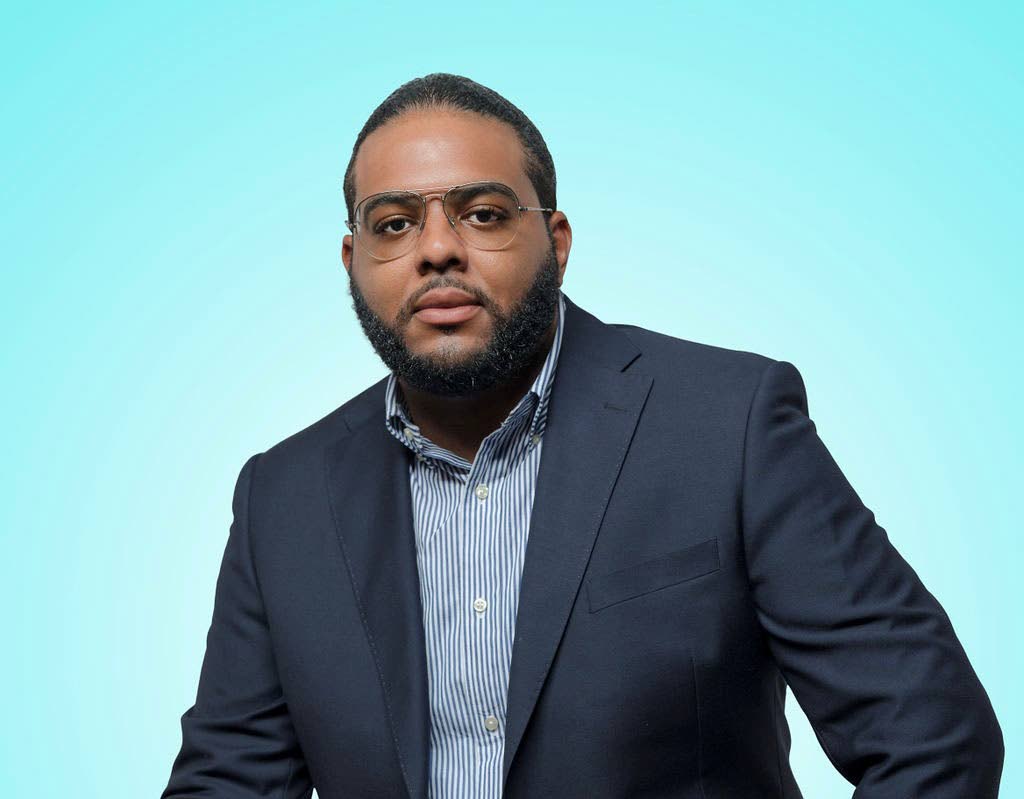
Dominic Bell


