



Seprod divests International Biscuit Company in balance sheet reset
SEPROD Group has divested its International Biscuits Limited (IBL) subsidiary as part of a broader strategy to strengthen its balance sheet, generate cash and sharpen operational focus following an aggressive period of regional expansion.
International Biscuits manufactures well-known brands including Butterkist and Snackables and also undertakes co-manufacturing for third-party brands such as Ovaltine and Miss Birdie.
Chief Executive Officer Richard Pandohie said the sale is consistent with the company’s stated objective of integrating recent acquisitions, extracting synergies and reducing leverage after several years of debt-funded growth across the Caribbean.
“Over the last few years we’ve done quite a bit of acquisitions, built our revenue base and expanded across the region, and quite a bit of that was done with leverage,” Pandohie said in an interview with the Jamaica Observer. “This year is about integrating the platforms, generating cash, and paying down debt. The divestment of IBL is consistent with that.”
While the value of the transaction has not been disclosed, Pandohie said the proceeds will support debt reduction and improve liquidity metrics. The buyer, a locally based private entity, is expected to make its own disclosure within weeks.
The divestment does not represent an exit from the biscuit segment. Seprod will remain the local distributor of products manufactured by IBL, with existing export partnerships unchanged, maintaining commercial ties to the brand while reducing capital intensity.
Based on its 2024 financial statements, IBL generated approximately $1.29 billion in revenue and held total assets of about $1.26 billion, underscoring the scale of the manufacturing operation being divested.
Pandohie said the business was not loss-making but was smaller relative to Seprod’s broader portfolio following its expansion into distribution, manufacturing and regional warehousing operations. In 2024, IBL reported net profit of approximately $24 million, reflecting modest margins relative to the size of its asset base.
The move comes after three years in which Seprod’s revenues expanded significantly following acquisitions, with group revenue reaching $153.6 billion in 2025. However, margins came under pressure as integration costs and financing expenses weighed on profitability. Finance costs rose 19 per cent year over year to $4.9 billion, reflecting higher debt levels associated with acquisition activity.
“What shareholders will see is a stronger, more consolidated Seprod Group and a stronger balance sheet,” Pandohie said. “We’re very driven to taking those numbers down.”
The company has been building out regional warehouse hubs in markets including Trinidad and Guyana as part of its Caribbean growth strategy. Through its 80 per cent stake in AS Bryden & Sons Holdings Limited (ASBH), Seprod has also deepened its regional distribution footprint, including increased ownership in Caribbean Producers (Jamaica) Limited (CPJ), the Montego Bay-based food and beverage distributor serving the hospitality sector.
However, Pandohie acknowledged that parts of the portfolio remain under pressure. CPJ, which has significant exposure to hotels and resorts, has been impacted by Hurricane Melissa, with portions of the hospitality sector yet to fully recover.
He said the strategic focus now is on operational efficiency, cash generation and return optimisation as Seprod positions itself for the next phase of regional growth.
“We have a clear plan across the region,” Pandohie said. “It’s about integrating what we’ve built, extracting synergies and ensuring the business is positioned properly in terms of liquidity, return on equity and long-term shareholder value.”
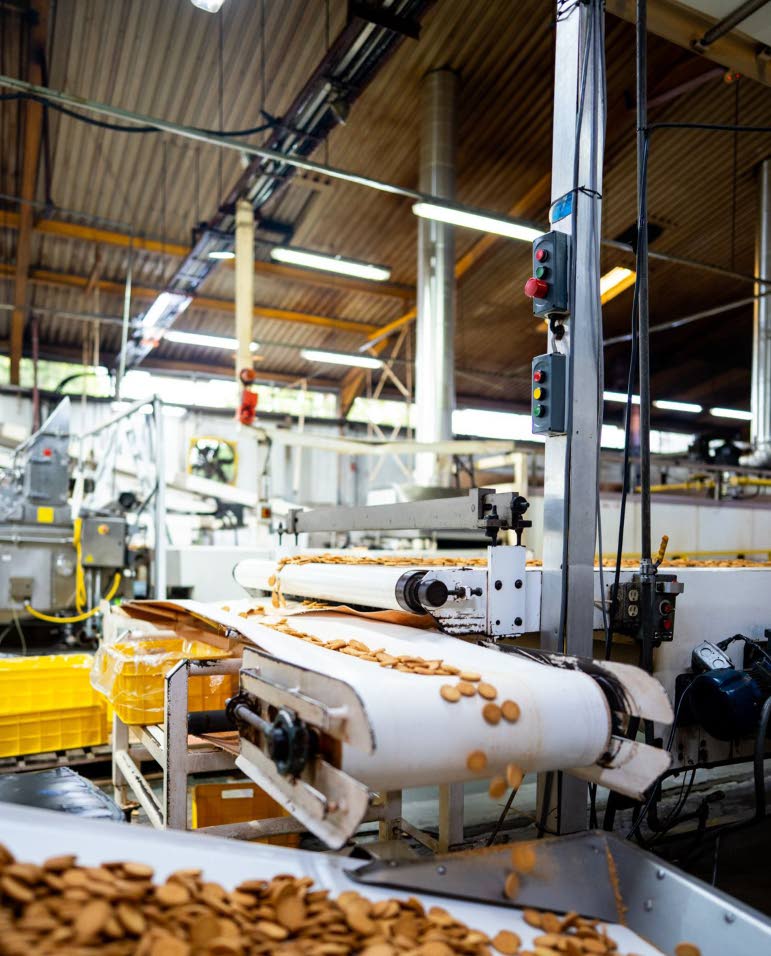
Biscuits move along the production line at International Biscuits Limited.
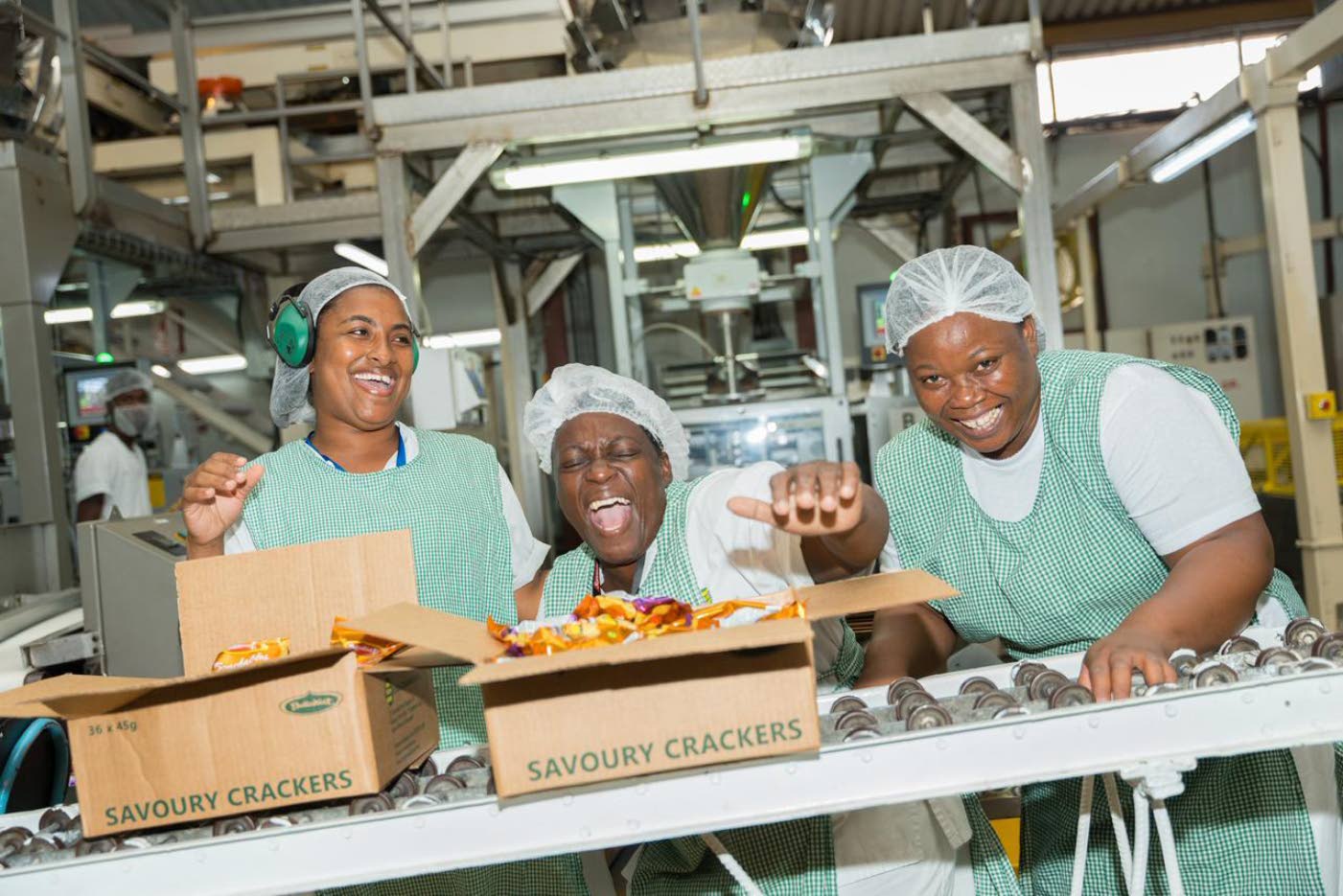
Team members at International Biscuits Limited package products on the production line, where the company manufactures its range of Snackables crackers.


