



Hidden Threat? Arsenic In Popular Candies
A recent US Government-led testing programme has sparked concern among parents and consumers after arsenic — a toxic heavy metal — was detected in more than half of the popular candy products sampled, challenging long-held assumptions that sweets are simply an occasional indulgence. In late January, the Florida Department of Health released results from a food safety testing initiative called “Healthy Florida First,” which examined 46 candy products from 10 well-known companies for heavy metals, including arsenic. The testing — ordered under a state public health programme — revealed that 28 of the products contained measurable levels of arsenic.
Among the candies that tested positive were many favorites found in grocery aisles and seasonal holiday displays: Jolly Ranchers, Laffy Taffy, Nerds Gummy Cluster, Twizzlers, Original Skittles, Snickers, Kit Kat, Sour Patch Kids, Black Forest Gummy Bears, Trolli Sour Brite Crawlers, Dots, and SweeTarts. Not all candies tested showed detectable arsenic — products from brands like M&M’s, Twix, Reese’s, Whoppers, Yum Earth, Unreal, and Annie’s did not register elevated levels in the state’s screening.
Natural Element or Health Risk?
Arsenic is a naturally occurring element found in soil, water, and certain crops. It exists in two general forms: Organic arsenic, which is less harmful, and inorganic arsenic, which has been associated with serious health effects, including cancer and organ damage, with long-term exposure. It was reported that testing measured total arsenic levels, without differentiating between organic and inorganic forms — a key limitation scientists emphasise when evaluating health risk. Because of this, the findings can’t confirm directly whether the amounts detected pose a danger under typical eating habits.
In contrast, the US Environmental Protection Agency (EPA) enforces a strict limit of 10 parts per billion (ppb) for arsenic in drinking water, and the Food and Drug Administration’s action level for infant rice cereal is 100 ppb, though there are no federally mandated arsenic limits for most candy products.
What the Numbers Mean
To put the results in context, analysts from the Healthy Florida First report attempted to calculate “safe” annual consumption limits based on detected arsenic levels in each candy. For example:
• Jolly Ranchers (hard candy) had some of the highest measured arsenic, around 540 ppb, suggesting a child might consume as few as six pieces per year to stay within calculated limits.
• Twizzlers Strawberry measured about 500 ppb, equating to roughly four pieces per year for children under the same assumptions.
• Kit Kat — a chocolate wafer candy — contained around 230 ppb, suggesting only about two to three pieces per year would fit within the state’s modelled threshold.
These numbers underline how low the modelled “safe” amounts can be, particularly when compared with typical candy consumption. But experts caution that these limits are hypothetical and not grounded in established food safety science.
No Peer Review – What That Means
Consumers should understand that the test results have not been published in a peer-reviewed scientific journal, nor subjected to standard academic evaluation. Instead, the findings were released by a state public health initiative, and the methodology — while transparent in its goals — has drawn criticism from industry groups and scientists for relying on non-standard benchmarks and hypothetical consumption models.
The National Confectioners Association (NCA), representing major candy makers, argued the report is “misguided”, lacks alignment with requisite safety thresholds, and could cause unnecessary consumer confusion. The group notes that longstanding data — such as the FDA’s Total Diet Study — typically shows lower levels of heavy metals in food products.
Why Arsenic Appears in Candy
Arsenic typically does not enter candy through manufacturing alone — rather, it is usually linked to ingredient sourcing. Sugars, fruit flavorings, rice-based components, and water used during processing can all carry trace amounts of arsenic depending on where crops are grown and how agricultural materials are handled. Since many candies contain plant-derived ingredients — like corn syrup, sugar cane juice, fruit concentrates, and starches — the potential for trace environmental contaminants exists even before products reach factory lines.
Industry and Regulatory Perspectives
The candy industry maintains that candy remains safe when eaten occasionally as part of a balanced diet, and that the report uses benchmarks that are not scientifically recognised by regulators. Food safety agencies like the FDA already monitor a wide range of foods for contaminants, and no recalls have been issued based on the arsenic findings — even as the state release has raised public awareness about heavy metal testing.
Tips for Parents and Consumers
While the debate over how actionable these findings are continues, a cautious, common-sense approach is recommended:
Moderation Matters: Candy — especially high-sugar products — should remain an occasional treat, not a daily snack. This limits both sugar-related risks and potential exposure to trace contaminants.
Rotate Treats: Offering a variety of different snacks and treats rather than the same products repeatedly can help reduce repeated exposure to any one ingredient source.
Watch Ingredients: Parents concerned about heavy metals can look for candies made with simpler ingredient lists, or choose brands that have published independent safety testing.
Follow Updates: Stay informed about official guidance from health agencies and talk to a pediatrician or dietitian if you have specific concerns about children’s diets.
A Broader Conversation on Food Safety
The arsenic-in-candy story highlights bigger questions about transparency in food testing, ingredient sourcing, and how science is communicated to the public. While the report shared may not rise to the level of scientific consensus, it underscores the importance of continued monitoring, rigorous testing standards, and clear communication between regulators, manufacturers, and consumers.
Ultimately, we can agree that enjoying sweets occasionally isn’t inherently dangerous — but informed choices and moderation are key to healthy eating habits for people of all ages.
About the Author
Allison Richards is a food safety communicator, certified trainer and the founder of The Food Safety Girl, a consumer awareness platform promoting food safety in Jamaica and the Caribbean. She is the Caribbean Chapter Director for Women in Food Safety (WIFS) and host of The Big Bite Food Safety Show. With over 14 years of experience in food safety regulation, she is committed to public education and consumer empowerment. Through public education initiatives, including free community webinars, she continues to create space for learning, dialogue, and practical food safety awareness.
Allison Richards | thefoodsafetygirlja@gmail.com-
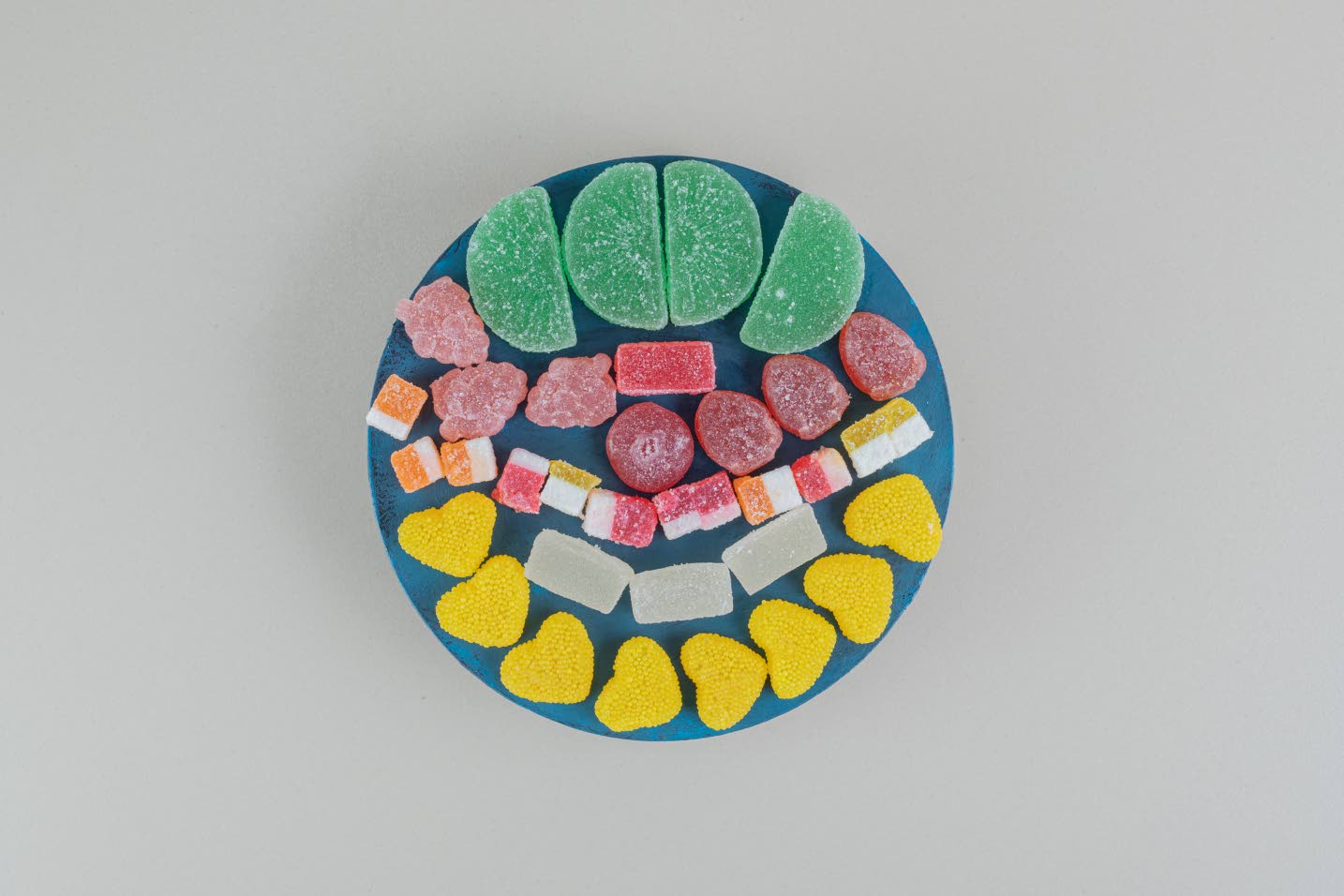
Arsenic in candy usually stems from ingredient sourcing rather than manufacturing. Plant-derived components — such as sugars, fruit concentrates, and starches — can carry trace environmental contaminants from the soil and water where they were grown.

Parents and consumers can minimise exposure by treating sweets as an occasional indulgence rather than a daily habit. Rotating different types of treats and choosing products with simpler ingredient lists further reduces potential risks.


