



The Ripple Effect: Middle East Conflict and Global Food Security
Global conflicts rarely remain confined to the regions in which they occur. In today’s interconnected world, geopolitical tensions can ripple through global supply chains, energy markets, and agricultural systems in ways that eventually affect something as fundamental as the food on our plates. The ongoing tensions involving Iran have once again drawn attention to the Strait of Hormuz, a narrow shipping passage in the Persian Gulf that plays an outsized role in global trade. While much of the international discussion has focused on oil prices and energy security, the potential impacts on global food systems are equally important. For small developing countries such as Jamaica, which rely heavily on imported food and agricultural inputs, disruptions in this region could translate into higher food prices, supply challenges, and emerging food safety concerns.
A chokepoint in the global energy system
The Strait of Hormuz is widely regarded as one of the most strategically important maritime routes in the world. Roughly one-fifth of global oil consumption and a significant share of the world’s liquefied natural gas trade pass through this narrow corridor each day. Since so much of the world’s energy supply travels through this single route, any threat to shipping in the area quickly sends shockwaves through international markets. Recent tensions have already heightened concerns about maritime security, insurance risks, and the ability of cargo vessels to safely pass through the strait. News reports have indicated that the risk of disruption has led to increased volatility in energy markets and renewed fears about supply instability.
Energy price fluctuations do not only affect fuel costs at the pump. Energy is deeply embedded in modern food systems, meaning that disruptions to oil and gas supply often cascade into the agricultural sector. Higher energy prices increase the cost of operating farm equipment, running irrigation systems, powering food processing facilities, and transporting food products across long distances. In a globalised food system that relies heavily on transportation and refrigeration, these increases can translate quickly into higher food prices for consumers.
The fertiliser connection
One of the most significant but often overlooked links between energy markets and food production is fertiliser. Natural gas is a key raw material used in the production of nitrogen fertilisers such as ammonia and urea, which are essential for modern agriculture. These fertilisers are critical for maintaining crop yields and supporting the large-scale production systems that supply global food markets.
Disruptions to natural gas supply can therefore have immediate consequences for fertiliser production and pricing. Analysts have noted that a substantial portion of the world’s traded fertilisers normally passes through the Strait of Hormuz, making the region particularly important for the global agricultural supply chain. Recent reports have already indicated that fertiliser shipments are facing delays and that prices are beginning to rise in response to shipping disruptions and uncertainty in energy markets.
When fertiliser prices increase significantly, farmers often face difficult decisions. Some may reduce fertiliser use in order to manage costs, while others may delay planting or switch to crops that require fewer inputs. Although these decisions may help farmers manage short-term financial pressures, they can also lead to reduced agricultural yields over time. Lower crop production ultimately means tighter global food supplies and upward pressure on food prices. With Jamaica’s agricultural sector still recovering from the passage of Hurricane Melissa, this is concerning.
Shipping disruptions and global food trade
Beyond its role in energy and fertiliser markets, the Strait of Hormuz also serves as a major chokepoint for international shipping. Large volumes of commodities, including agricultural inputs and food products, pass through this corridor every year. If shipping slows or becomes restricted due to security risks, the effects can be felt across multiple sectors simultaneously.
Disruptions to shipping routes can delay fertiliser deliveries to farmers, increase transportation costs for agricultural commodities, and slow the movement of food products destined for global markets. Recent reports have suggested that some countries have already begun releasing fertiliser from national reserves in response to concerns about supply disruptions linked to the conflict. These precautionary measures highlight the extent to which governments are anticipating possible ripple effects across agricultural markets.
Such disruptions can have particularly significant implications for countries that rely heavily on imported food and agricultural inputs. Delays in shipments or rising transportation costs can make it more difficult for import-dependent nations to maintain stable food supplies.
Why small island states are especially vulnerable
Small island developing states, including many countries in the Caribbean, face unique challenges when it comes to food security. Jamaica imports a substantial portion of the food consumed domestically, including grains, processed foods, and many agricultural inputs required for local farming. This dependence on global supply chains makes the country particularly sensitive to external shocks such as energy price spikes, shipping disruptions, or shortages of agricultural inputs.
When global transportation costs rise, the price of imported food typically increases as well. Because shipping plays such a central role in supplying island economies, even modest disruptions to international trade routes can translate into noticeable impacts at the supermarket level. In addition, higher fertiliser prices can affect local farmers by increasing the cost of agricultural production, potentially limiting their ability to expand domestic food output.
For these reasons, geopolitical tensions that affect global energy and fertiliser markets can have disproportionate consequences for small developing economies. Events occurring thousands of miles away can quickly ripple through international markets and ultimately affect the affordability and availability of food in local communities.
Food safety risks during supply disruptions
Although the primary concern during global supply disruptions is often food availability, food safety risks can also increase under such conditions. When shipping routes are disrupted or transportation times are extended, food products may remain in storage or transit longer than originally intended. Maintaining proper temperature control becomes more challenging under these circumstances, particularly for perishable foods that rely on a continuous cold chain.
Extended storage and transportation times can increase the likelihood of spoilage and microbial growth, potentially compromising food quality and safety. In addition, periods of supply shortages can create incentives for fraudulent practices such as ingredient substitution, dilution, or mislabeling. Historically, incidents of food fraud have sometimes increased during periods of economic pressure or supply constraints, highlighting the need for continued vigilance within food safety systems. These risks underscore the importance of robust regulatory oversight and supply chain monitoring, particularly during times of global instability.
The role of responsible consumption
While geopolitical conflicts and global supply chain disruptions may seem far removed from everyday life, individual consumers still have an important role to play in strengthening food system resilience. One of the most impactful actions consumers can take is reducing food waste.
Reducing food waste aligns closely with the United Nations Sustainable Development Goal 12, which focuses on responsible consumption and production. This global goal calls for a significant reduction in food waste at the retail and household levels by 2030. When food is wasted unnecessarily, the resources used to produce, transport, and store that food — including energy, water, and fertilisers — are also wasted.
In periods of global uncertainty, minimising food waste becomes even more important. Simple practices such as planning meals carefully, purchasing only what is needed, storing food properly, and making use of leftovers can significantly reduce household waste.
Supporting local agriculture is another important strategy for strengthening food security. Purchasing locally produced foods can help reduce dependence on long and complex international supply chains while supporting domestic farmers and food producers.
Strengthening resilience in an interconnected world
The current geopolitical tensions serve as a powerful reminder that food systems are deeply interconnected with global energy markets, international trade routes, and geopolitical stability. A disruption in a narrow shipping corridor thousands of miles away can eventually influence fertiliser availability, agricultural production, and food prices in countries far removed from the conflict itself.
For Jamaica and other small island developing states, building resilience in the face of such disruptions will require a combination of strategies, including strengthening domestic agriculture, improving supply chain efficiency, and encouraging responsible consumption practices among consumers.
Food safety and food security are not isolated challenges. They are part of a broader global system shaped by economics, environmental pressures, and geopolitical realities. As these global dynamics continue to evolve, awareness and responsible action — from policymakers, industry stakeholders, and consumers alike — will remain essential in safeguarding the stability of our food supply.
About the Author
Allison Richards is a food safety communicator, certified trainer and the founder of The Food Safety Girl, a consumer awareness platform promoting food safety in Jamaica and the Caribbean. She is the Caribbean Chapter Director for Women in Food Safety (WIFS) and host of The Big Bite Food Safety Show. With over 14 years of experience in food safety regulation, she is committed to public education and consumer empowerment. Through public education initiatives, including free community webinars, she continues to create space for learning, dialogue, and practical food safety awareness.
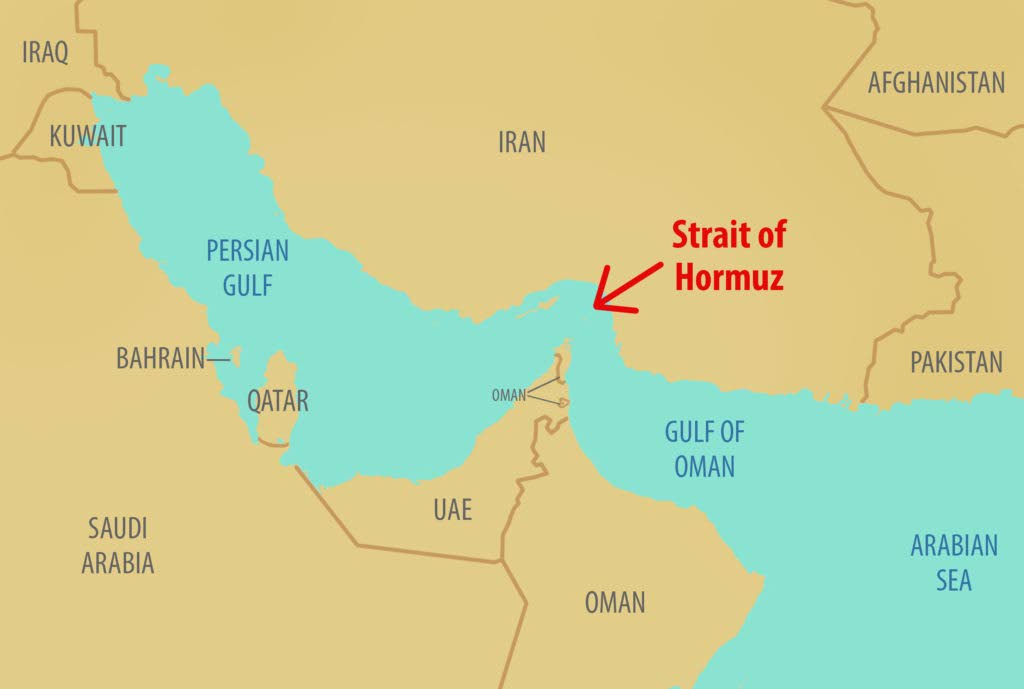
Security risks in the Strait of Hormuz resonate far beyond energy markets. Given the sector’s reliance on oil and gas, rising energy prices create a domino effect — increasing the costs of agricultural production, industrial processing, and global food logistics.-
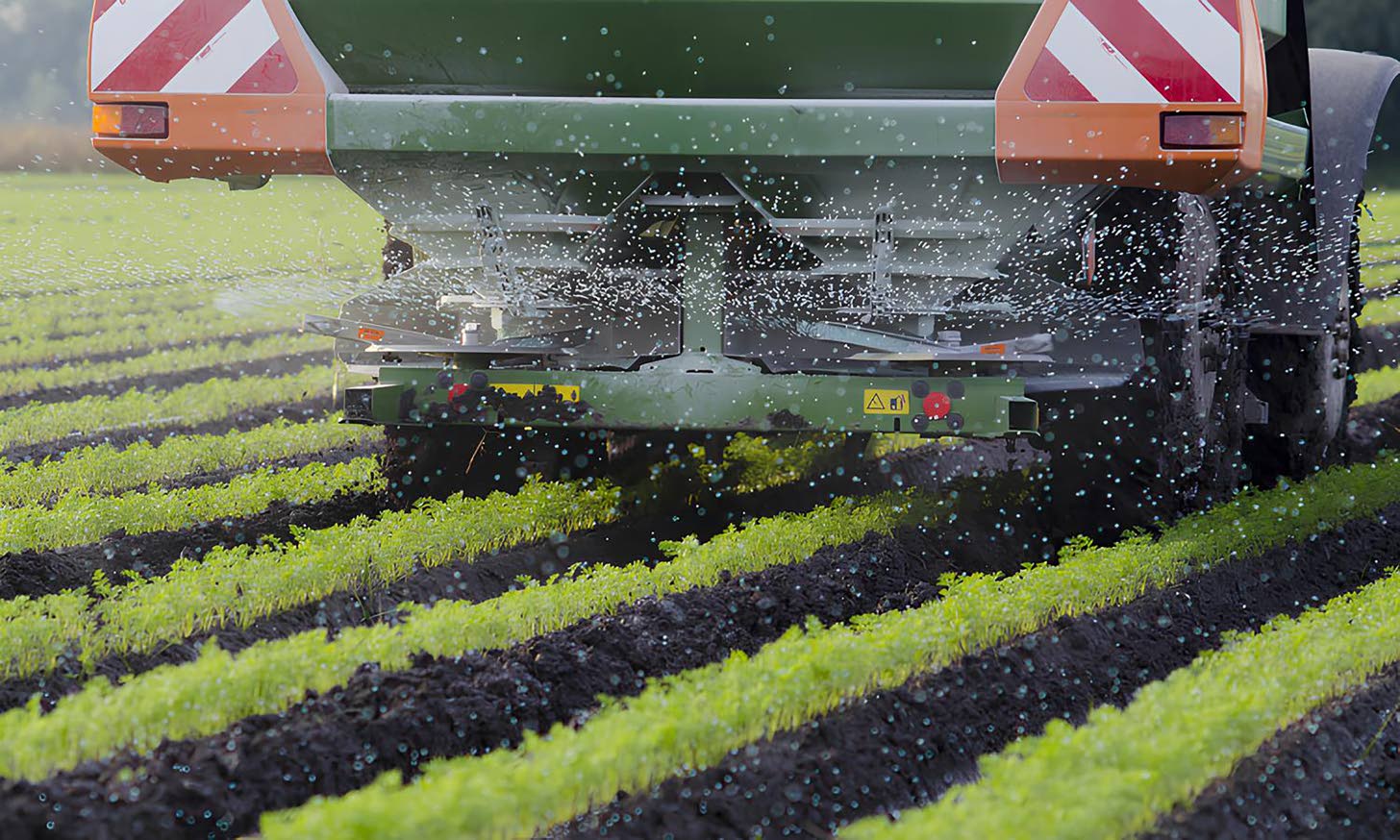
Disruptions in natural gas supply jeopardise the production of nitrogen fertilisers, driving up costs for modern agriculture. Consequently, farmers may be forced to scale back fertiliser use or delay planting to offset these financial pressures-


