



Easy to Eat, Hard to Trust?
Across the island, the way Jamaicans eat is evolving. The once-daily ritual of preparing home-cooked meals is increasingly being replaced — at least in part — by the convenience of ready-to-eat (RTE) foods. From frozen meals like curried goat and stew peas, to processed meats (like hams and bolognas), deli sandwiches, wraps, and to-go salads, RTE foods are surging in popularity. Whether you’re a student on the go, a working professional with limited lunch hours, or a parent trying to balance a full household, the appeal is clear: Minimal prep, no clean-up, and instant satisfaction.
As the convenience of RTE meals becomes a mainstay in supermarkets, gas stations, and food marts across Jamaica, both consumers and producers are urged to proceed with caution. With no final cooking step before consumption (except for frozen meals), RTE foods carry a unique set of risks — risks that, if not managed properly, could lead to serious foodborne illnesses.
Why Convenience Comes with a Catch
The explosion of RTE food options is not only a sign of changing times but also reflects global consumer trends. These foods are increasingly accessible. They meet the demand for speed, ease, and portability. However, unlike foods that go through a final reheating or cooking stage, RTE meals are typically consumed just as they are, making any contamination that occurs along the way far more dangerous.
These meals do not get a second chance at food safety. That’s why how they are prepared, stored, handled, and served becomes critically important. A single lapse in hygiene, temperature control, or packaging can result in foodborne pathogens surviving all the way to your plate.
Cross-Contamination Risk
One of the most serious concerns with RTE foods is cross-contamination. This occurs when ready-to-eat items come into contact with raw ingredients or surfaces that have not been properly cleaned. For instance, if a knife used to chop raw chicken is then used to cut cooked ham for a sandwich without being sanitized, harmful bacteria like Salmonella or E. coli can be transferred directly onto the ready-to-eat item.
In busy kitchens — whether commercial or home-based — this risk increases. A container of steamed vegetables, prepped and cooled for later serving, can easily become contaminated if handled by someone who has not washed their hands properly after touching raw meat. Since RTE foods will not be reheated, there’s no final opportunity to destroy any bacteria that might have been introduced.
Temperature Trouble
In Jamaica’s warm climate, improper temperature control can be a silent threat. Cold RTE foods such as pasta salads, sliced cheese, and sliced deli meats must be kept at or below 4°C to prevent the growth of harmful bacteria. Yet in many retail spaces, coolers and display fridges may fluctuate in temperature or aren’t monitored closely.
Hot foods aren’t immune either. Cooked items that are meant to be served warm — like boxed lunches or takeaway porridge — should be held at 60°C or above. Anything less than that creates the perfect conditions for bacterial growth. Food that sits out for extended periods at unsafe temperatures, even if it looks and smells fine, may already be compromised.
Listeria Danger
Perhaps the most notorious threat associated with RTE foods is Listeria monocytogenes. Unlike many bacteria that struggle to grow in the cold, Listeria thrives in refrigerated environments. It can live on food contact surfaces, inside cold storage units, and on packaging materials. Because it’s difficult to detect and easy to overlook, it has caused outbreaks worldwide, especially in RTE meat, dairy, and seafood products.
For healthy adults, a Listeria infection might result in mild flu-like symptoms. But for pregnant women, the elderly, and those with weakened immune systems, it can lead to miscarriage, septicemia, or death. This makes the safety of cold RTE foods especially critical for vulnerable groups.
Labels, Packaging, and Shelf Life
Consumers often rely on food labels and packaging to guide their decisions. But if a product is improperly sealed, not labelled with allergens, or missing a clear use-by date, the potential for risk increases significantly. All packaging should be intact, with no leaks, bulges, or tears. Products without proper identification or date marking should not be consumed, no matter how appetising they appear.
This is especially important for processed ready-to-eat meats and cheeses, which are often vacuum-sealed to extend shelf life and limit bacterial growth. If the vacuum seal is broken, loose, or swollen, the product may be contaminated, even if it looks or smells fine. A compromised seal can allow dangerous bacteria like Listeria monocytogenes to grow, particularly in cold-stored RTE items.
Additionally, RTE foods typically have a shorter shelf life due to the absence of preservatives or extensive processing. In busy stores or markets, products may sit for days beyond their intended use-by date if staff aren’t properly rotating stock. Even foods that appear fresh can be unsafe once expired.
When Food Fraud Meets Poor Labelling
One lesser-known but growing concern is the mislabelling of Ready-to-Cook (RTC) products as RTE — a dangerous mistake that can occur intentionally (as a form of food fraud) or through negligence. Sometimes, food products that were never meant to be consumed without cooking — like marinated raw meats or par-cooked dishes — are improperly relabelled and sold alongside safe RTE items.
This is particularly risky when repackaged or salvaged items are placed in mixed retail environments without clear cooking instructions or handling labels. Consumers may unknowingly eat a product that still harbours live pathogens because they believe it was fully cooked and safe to eat. In these cases, food safety becomes not just a matter of hygiene, but of accurate labelling and regulatory oversight.
The Global Connection
Jamaica is not alone in facing the food safety challenges that come with RTE foods. Around the world, countries have experienced large-scale recalls and even fatalities linked to these convenient but high-risk products. In June 2025, the United States saw a tragic outbreak of Listeria monocytogenes tied to Marketside and Home Chef-branded chicken fettuccine alfredo meals sold at Walmart and Kroger supermarkets. The outbreak resulted in 17 confirmed illnesses across 13 states, 16 hospitalisations, 3 deaths, and the loss of an unborn child. These products, while labelled as “ready to eat”, carried a deadly pathogen that could easily go unnoticed in the cold chain if hygiene lapses occur during production or packaging.
Such a devastating incident highlights why food safety systems must be robust at every point in the food chain: From sourcing and manufacturing to packaging, storage, and display. For Jamaica, where RTE foods are quickly becoming part of everyday life, these global events signal an urgent need for increased regulation, consumer education, and internal quality controls across the industry.
Consumer Responsibility
While food businesses and manufacturers carry the largest burden when it comes to safety standards, consumers also play a role. It’s important to read labels, store foods properly at home, and reheat where necessary. Items with a sour smell, off-colour, or compromised packaging should be discarded without hesitation. No meal is worth risking your health.
Consumers should also be mindful of high-risk groups within their households. If you’re preparing RTE meals for young children, elderly relatives, or someone who is pregnant or immunocompromised, extra precautions should be taken. Avoid cold deli meats, unpasteurised dairy products, and foods past their use-by dates.
A Shared Responsibility
Ready-to-eat foods offer a modern solution to modern demands. They are convenient, fast, and increasingly necessary in our fast-paced lives. But as Jamaica embraces this new way of eating, it’s essential that we also embrace the responsibility that comes with it.
Food safety is everyone’s business — from producers and retailers to parents and school canteen staff. By understanding the risks, making informed choices, and demanding proper standards from suppliers, Jamaicans can enjoy the benefits of ready-to-eat foods without compromising their health.
About the Author
Allison Richards is a food safety communicator, certified trainer and the founder of The Food Safety Girl, a consumer awareness platform promoting food safety in Jamaica and the Caribbean. She is the Caribbean Chapter Director for Women in Food Safety (WIFS) and host of The Big Bite Food Safety Show. With over 14 years of experience in food safety regulation, she is committed to public education and consumer empowerment. Through public education initiatives, including free community webinars, she continues to create space for learning, dialogue, and practical food safety awareness.
Allison Richards thefoodsafetygirlja@gmail.com-
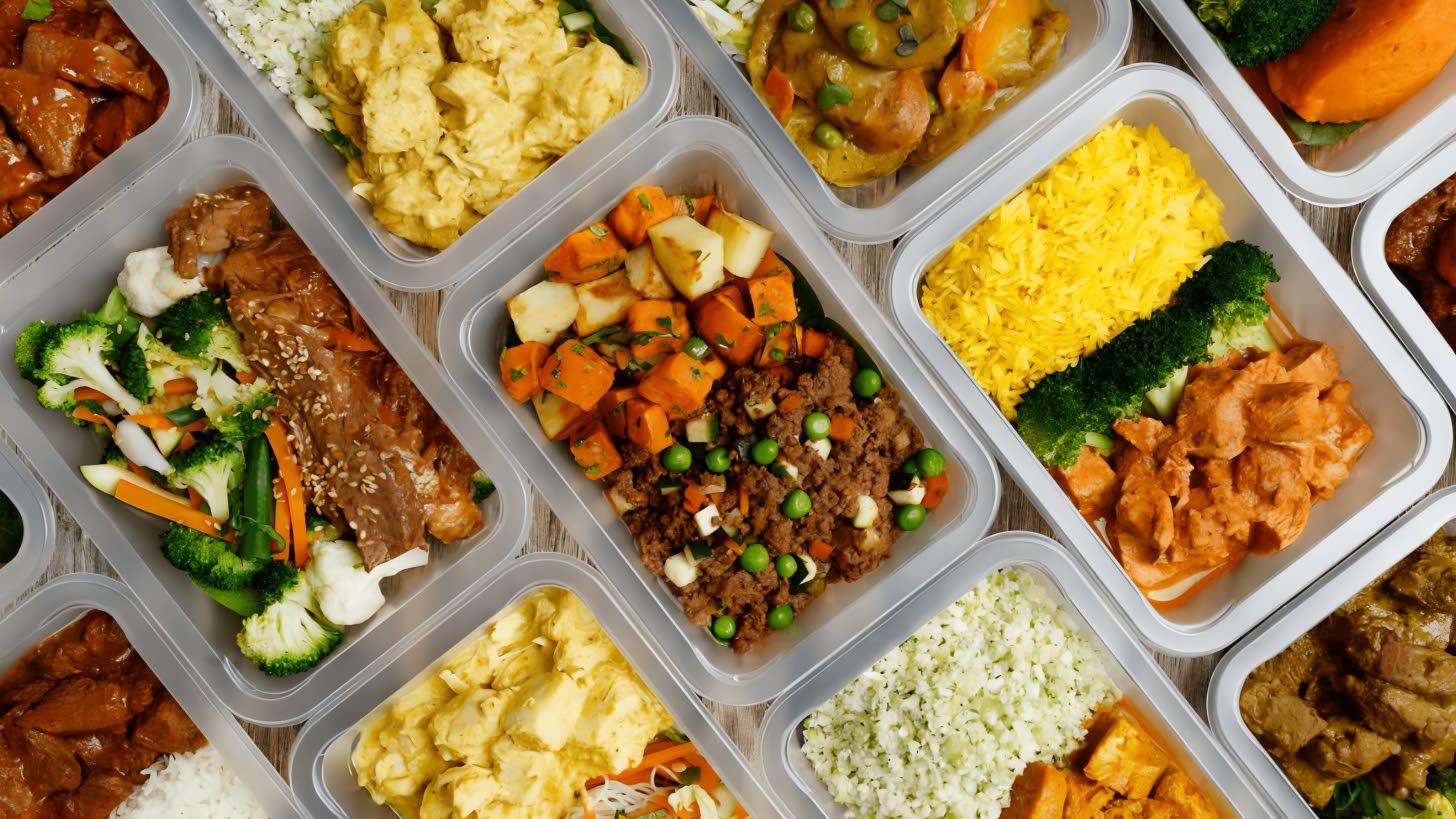
Because ready-to-eat meals are eaten as they are, any contamination poses a heightened risk. These products do not undergo a secondary safety process; therefore, rigorous standards for preparation, storage, and handling are essential.

Listeria monocytogenes persists in cold chains and on equipment, often overlooked until an outbreak occurs. Its prevalence in ready-to-eat meat, dairy, and seafood makes it the pre-eminent food safety challenge for the industry.


