FOWines and the Rise of Boutique Wine Tourism in Argentina
The morning light in southern Mendoza carries a particular clarity. The Andes appear closer here, their granite contours filtering the desert sun into a pale silver glow that stretches across vineyards planted along the valley of the Diamante River. In the district of Cuadro Benegas, just beyond the city of San Rafael, rows of vines trace the alluvial soils with quiet precision. Gravel, sand, and limestone fragments lie beneath the roots. Meltwater from the mountains sustains life in a landscape that would otherwise return quickly to desert.
In this setting stands FOWines, a boutique estate that has recently entered a wider conversation about Argentina’s evolving wine identity. Its recognition as a gold medal winner in the Small Wineries Category of the Best of Mendoza Wine Tourism 2026 reflects a broader moment unfolding across the country’s vineyards. Argentina’s wine story increasingly belongs to producers working at an intimate scale, combining technical fluency with personal vision while offering travellers a direct connection to vineyard life. FOWines sits at the centre of that shift.
The project is the creation of Argentine winemaker Fabricio Orlando, a San Rafael native whose childhood unfolded among vineyards and family harvests. His professional path later moved through established estates including Rutini Wines and Pulenta Estate before he returned to southern Mendoza with a personal ambition: To build wines that carried the imprint of both place and experience. The result is a micro-bodega rooted in several vineyard parcels across the province, with its heart at Finca El Maitén in Cuadro Benegas. Here, Malbec grows on sandy loam soils of alluvial origin, soils shaped over millennia by the shifting courses of the Diamante River.
The estate extends further into the wider geography of Mendoza. Another parcel, Finca La Matilde in Cañada Seca, cultivates Malbec and Bonarda, including a family-planted Bonarda block dating to 1962. In the cooler elevations of the Valle de Uco, Orlando sources grapes from vineyards in Vista Flores and La Carrera. At roughly 1,550 metres above sea level, La Carrera offers one of the coldest viticultural environments in the valley, where slow ripening encourages vibrant acidity and aromatic precision in varieties such as Sauvignon Blanc.
Together these vineyards form a geographic conversation that mirrors Argentina’s wider viticultural narrative. The country’s most compelling wines increasingly arise from a mosaic of altitudes and soil types rather than a single estate footprint. Boutique producers like Fabricio Orlando Wines build identity through the interpretation of parcels, climates, and seasons.
At FOWines, that philosophy takes shape across several labels and Thursday Food takes a closer look. The Efusivo Sauvignon Blanc, drawn from the cold climate of La Carrera, has an aromatic intensity that expresses notes of grapefruit, elegant citrus, and subtle aromas of rue. Meanwhile the Castizo range explores varietal expressions of Malbec, Cabernet Sauvignon, and Cabernet Franc. Their Castizo Rosé Blend is of a bright, pale pink colour with floral and fruity aromas reminiscent of quince and cherry syrup. Castizo Red Blend has complex aromas of red and black fruits, good structure, and smooth tannins, seeking to express the best of each harvest from the Uco Valley and San Rafael.
The house’s flagship blend, Óptimo, combines Malbec, Cabernet Sauvignon, and Bonarda matured in French oak barrels, a structure designed for longevity while preserving fruit clarity. Intense with a bright ruby red colour, its aromas are of ripe fruit with spicy notes, hints of bell pepper; vanilla and coffee imparted by oak aging. The Espumante Discontinuo Blanc de Noir – Millesime is a brut nature sparkling wine made entirely from Pinot Noir grapes from Mendoza, aged for 18 months on its lees. It boasts a bright salmon-red colour and aromas of dried fruit and quince, characterised by its balance, structure, and remarkable persistence on the palate.
These wines illustrate a subtle recalibration occurring throughout Argentina’s premium segment. International markets once associated the country primarily with bold Malbec expressions. Today the conversation has widened to include precision whites, site-specific reds, and blends shaped by vineyard character rather than formula. Research from IWSR Drinks Market Analysis and education bodies such as the Wine & Spirit Education Trust points to this broader shift in global consumption patterns, with smaller vintners often meeting those expectations more effectively than larger industrial brands. For visitors arriving in Mendoza, that narrative unfolds most clearly through wine tourism.
At FOWines, recognition through the Best of Mendoza Wine Tourism awards is reflective of that transformation. Boutique wineries now serve as ambassadors for regional identity, translating agricultural tradition into cultural experience. The timing of the award also intersects with Argentina’s most symbolic moment in the wine calendar, the harvest season known as Vendimia. Across the province each year, vineyards burst into activity as grapes reach maturity and workers move through the rows with small harvesting bins. The harvest carries deep cultural resonance throughout the region, culminating in the celebrated Fiesta Nacional de la Vendimia. The festival represents far more than spectacle, standing as a public affirmation of Mendoza’s identity as a wine culture shaped by labour, land, and community.
Travellers seeking to explore these emerging stories need the guidance of an expert with local knowledge and cultural sensitivity as they navigate the country’s vast wine geography. Bespoke experience curators such as Anetza Concierge increasingly serve that role, connecting visitors with smaller producers whose experiences might otherwise remain hidden. Through curated itineraries and personal introductions, such services deepen the relationship between traveller and vineyard, allowing guests to engage directly with the people shaping Argentina’s contemporary wine culture.
Argentina’s global reputation continues to evolve through places like FOWines: Small estates guided by personal vision, rooted in specific soils, open to travellers who arrive with curiosity. Their significance does not lie in scale or spectacle. It lies in the ability to translate landscape into experience, and experience into wine. In the vast mosaic of the country’s vineyards, such wineries provide something increasingly valuable in the modern wine world, a sense of human proportion. And in the valleys of southern Mendoza, beneath the watchful presence of the Andes, that proportion continues to shape the next chapter of Argentine wine. Salud!
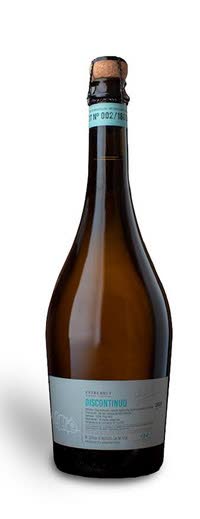
Espumante Discontinuo has complex aromas reminiscent of quince, nuts, and toast.Photo by FOWines
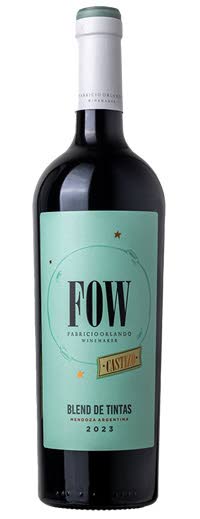
Castizo Blend De Tintas is a deep red that is complex on the nose and palate. Photo by FOWines
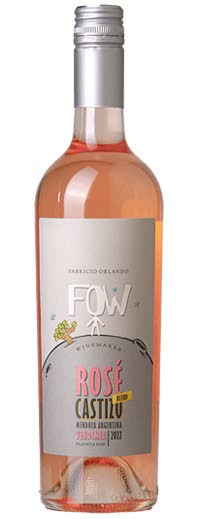
Castizo Rosé Blend is made with Merlot, Malbec and Cabernet Franc varietals.Photo by FOWines
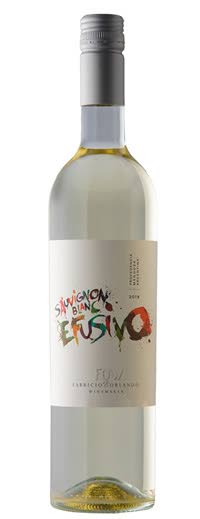
Efusivo Sauvignon Blanc offers a very pleasant acidity that provides excellent freshness on the palate.Photo by FOWines
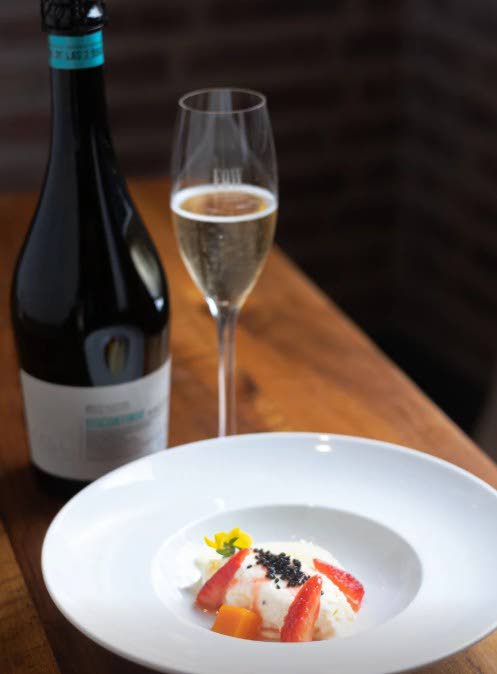
Espumante Discontinuo offers a creamy texture, fine bubbles, and notes of red fruit, brioche, and toast, which complement the acidity and sweetness of strawberries. Photo by FOWines
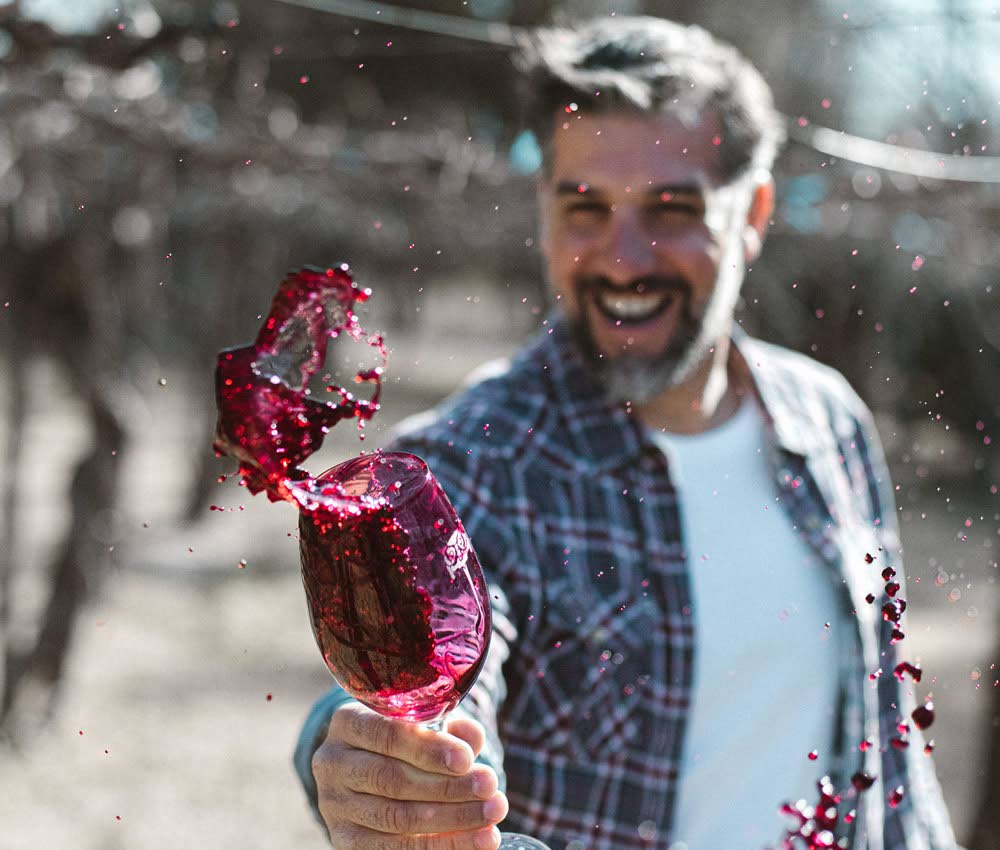
Fabricio Orlando was born in San Rafael, in southern Mendoza, surrounded by vineyards and family working with grapes. (Photos: FOWines)Photo by FOWines
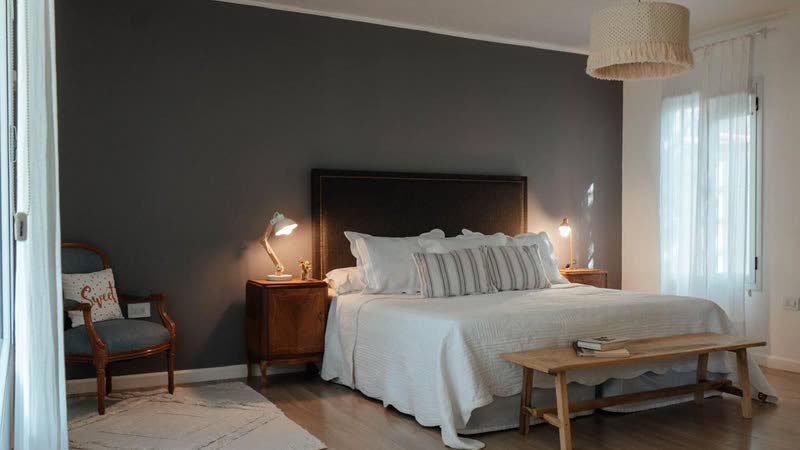
FOWines is a gold medal winner in the Small Wineries Category of the Best of Mendoza Wine Tourism 2026. Photo by FOWines
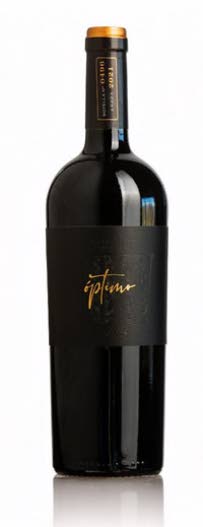
Optimo has a full-bodied, balanced wine with intense, highly concentrated flavours, sweet notes, smooth and lingering tannins, and a long, complex finish. Photo by FOWines
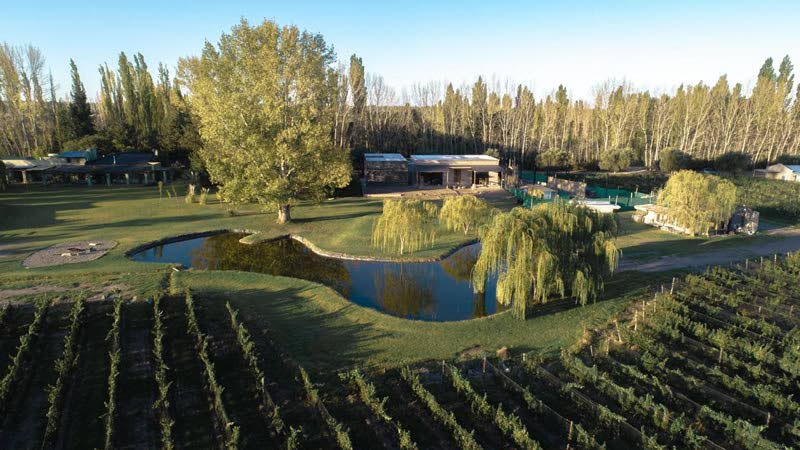
The hotel at FOWines was born from the concept of creating a privileged place in San Rafael. Photo by FOWines