



Can it get any worse?
PAC to resume review of AG’s report on UHWI today; health ministry also under scrutiny
TWO weeks after shocking revelations at Parliament’s Public Accounts Committee (PAC) further exposed major irregularities in procurement practices at the University Hospital of the West Indies (UHWI), the spotlight returns to Gordon House today where legislators are set to resume their probe under intense public and political scrutiny.
What began as a routine review of an auditor general’s report has since spiralled into one of the most consequential governance controversies in recent months that has triggered public outrage, dominated headlines, and spilled beyond the PAC into broader parliamentary tensions.
At the eye of the storm is the auditor general’s performance audit into UHWI’s procurement practices, which painted a troubling picture of weak oversight, non-compliance with procurement laws, and questionable use of public resources.
One of the main issues discussed was how UHWI improperly used its tax-exempt status to facilitate imports for four private companies, resulting in estimated losses of more than $23 million. It also pointed to missing procurement documentation for contracts worth hundreds of millions of dollars, contracts awarded without adherence to required procedures, and instances in which procurement processes were initiated only after goods and services had already been delivered.
But it was the March 31 PAC sitting that brought the findings into sharp public focus.
During that meeting, UHWI’s Acting Chief Executive Officer Eric Hosin named the four private companies that benefited from the controversial use of the hospital’s tax-exempt status.
Committee members were also told that the breakdown in procurement stemmed from issues such as fragmented record-keeping systems, inconsistent application of procurement rules, and weak internal oversight.
These explanations drew scepticism from the committee, with one member describing it as a “cocktail of inefficiencies” as they pressed officials from the hospital on how such failures could persist within a major public health institution.
In the days that followed, the controversy quickly widened beyond procurement practices, drawing attention to broader operational inefficiencies at UHWI and reigniting long-standing concerns about oversight and management within the institution.
At the political level, the fallout was significant. Member of Parliament (PNP) for St Andrew East Central Dennis Gordon, whose company (JACDEN) was among those named in the audit findings, had already appeared before Parliament’s Ethics Committee in a closed-door session ahead of the PAC meeting, and as pressure mounted in the aftermath of the revelations, Gordon stepped aside from both the Opposition’s shadow cabinet and the PAC.
At the same time, calls intensified for his resignation as a Member of Parliament, with critics arguing that his continued presence in the House could undermine public confidence in the integrity of the parliamentary system.
Gordon, however, has rejected those calls.
In comments to the Jamaica Observer he maintained that he had broken no law and made it clear that he had no intention of resigning, signalling his intention to remain in office despite the mounting controversy.
The matter has since taken on an additional layer of complexity.
The ethics committee has moved to revisit Gordon’s case and summoned him to appear at their next meeting set for Tuesday, April 21 as they cited concerns about information that has since emerged in the public domain. This decision has sparked a sharp political dispute over whether the committee has the authority to reopen a matter already considered and approved by the House.
Leader of Opposition business in Parliament Phillip Paulwell has strongly criticised the move, arguing that it breaches established parliamentary procedure and risks appearing as unfair targeting, while Government members have maintained that the committee must be allowed to seek clarification in light of new developments.
Against that backdrop, today’s PAC meeting is expected to carry added weight.
The PAC is slated to continue its review of the auditor general’s report into ensuring value for money in public health procurement at UHWI, while also examining findings in the auditor general’s 2025 annual report relating to the Ministry of Health and Wellness.
But beyond the formal agenda, the session is widely expected to probe deeper into the other failures outlined in the audit that have not yet been discussed by the committee.
There is also likely to be keen interest in whether any new information has emerged since the last sitting, and whether the committee will move to make further recommendations or referrals based on the auditor general’s findings.

Member of Parliament for St Andrew East Central Dennis Gordon’s company JACDEN was among those named in the audit findings.
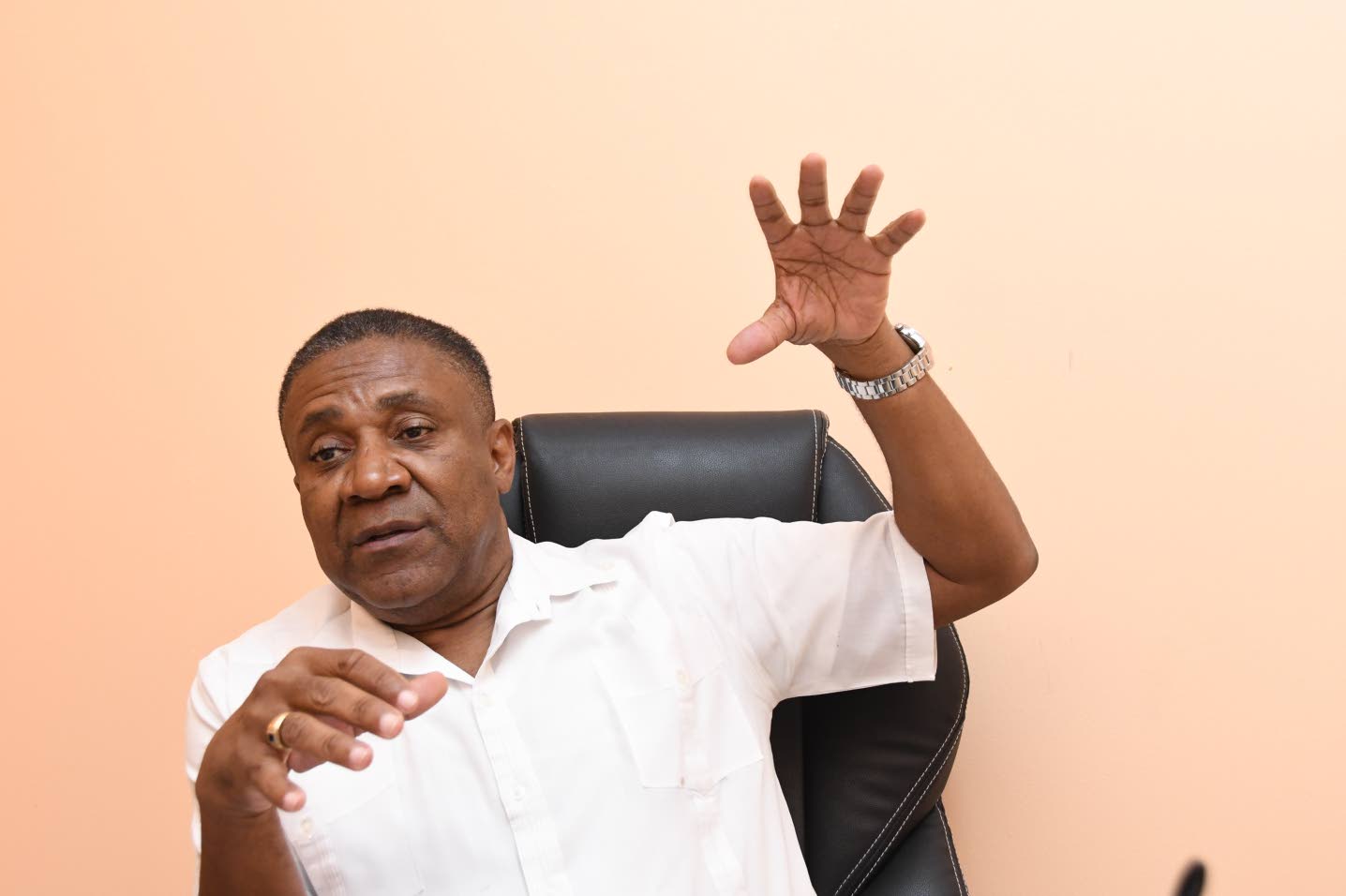
Opposition Leader of Business Phillip Paulwell says Gordon is a victim of unfair targeting.
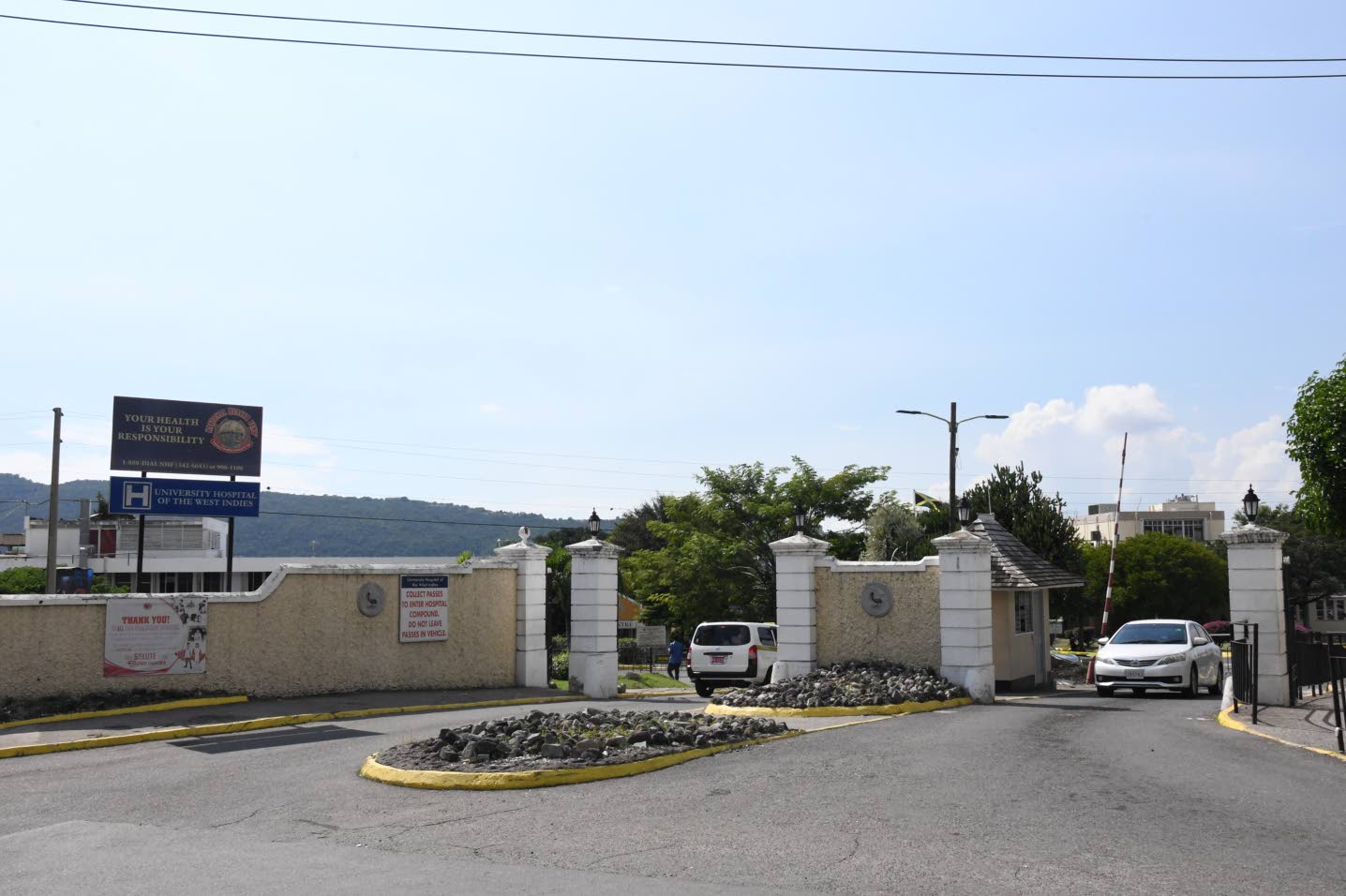
Major irregularities in procurement practices have been unearthed at the University Hospital of the West Indies.


