



Designing the Perfect Wedding Floor Plan
When couples begin planning their wedding, they usually dream about flowers, fashion, and the first dance. But behind every beautiful wedding reception is something quietly powerful: A thoughtful floor plan.
A wedding floor plan is more than simply placing tables in a room. It’s the blueprint for how the celebration will flow — how guests move, mingle, dance, eat, and experience the space. When done well, guests may not even notice it. They’ll simply feel comfortable, energised, and connected throughout the evening.
Start With the Heart of the Party: The Dance Floor
One of the easiest ways to begin designing your layout is by starting with the dance floor. The dance floor is often the focal point of the reception and helps determine where other elements should be placed around it.
Once you know where the dancing will happen, you can build the rest of the room around that central energy. Tables, lounges, and bars should be positioned so guests can easily watch speeches, enjoy the music, and quickly join the dance floor when the mood strikes.
Map the Entire Experience
A wedding floor plan should include every important element of the event, not just guest tables. Your layout should map out the entire guest experience — entrances, the DJ or band area, bars, buffets, dessert stations, and even where guests will naturally move through the space.
Think about the journey of the evening. If the room feels intuitive to navigate, the event will naturally feel more relaxed and enjoyable.
Choose Table Shapes That Work for the Space
Not all tables have to look the same. In fact, mixing table shapes and sizes can make a floor plan more dynamic and functional. Rectangular tables can anchor a space, while round tables create a softer, more conversational feel. The key is balance. Too many identical tables can make a room feel rigid, while a thoughtful mix can create visual interest and help seat groups comfortably.
Give Guests Room to Breathe
Just because a table can seat 10 people doesn’t always mean it should. Seating eight guests at a table designed for 10 allows more elbow room and helps guests feel comfortable throughout dinner.
Space is also important for service. Servers need clear paths between tables to move easily with trays, and guests should be able to step away from their seats without bumping into chairs or centrepieces.
Think About the Energy of the Room
Where you place people in the room matters. Close family members or friends who love to dance might enjoy being near the dance floor. Older guests or those who prefer conversation may appreciate being seated slightly farther from speakers and high-traffic areas. A thoughtful floor plan considers comfort, relationships, and the personalities of your guests.
Create Natural Pathways
Great floor plans allow guests to move easily around the room. Wide walkways between table clusters, clear paths to the bar, and space around the dance floor all help prevent congestion.
If guests constantly bump into chairs or squeeze past tables, it disrupts the flow of the evening. But when the layout works, movement feels effortless.
Ultimately, the best wedding floor plans are the ones that feel natural. Guests should move seamlessly from cocktails to dinner to dancing without confusion.
When the bar is easy to find, the dance floor feels inviting, and the seating arrangements encourage great conversation, the entire celebration flows effortlessly.
A great wedding floor plan isn’t just about where tables go. It’s about designing an experience where every guest feels part of the celebration — from the first toast to the last dance.
Shikima Hinds
Managing Director
Shikima Hinds Events Concierge
Tel. 876-925-4285 or 876-361-0910
email: shikima@shikimahinds.com
www.shikimahinds.com
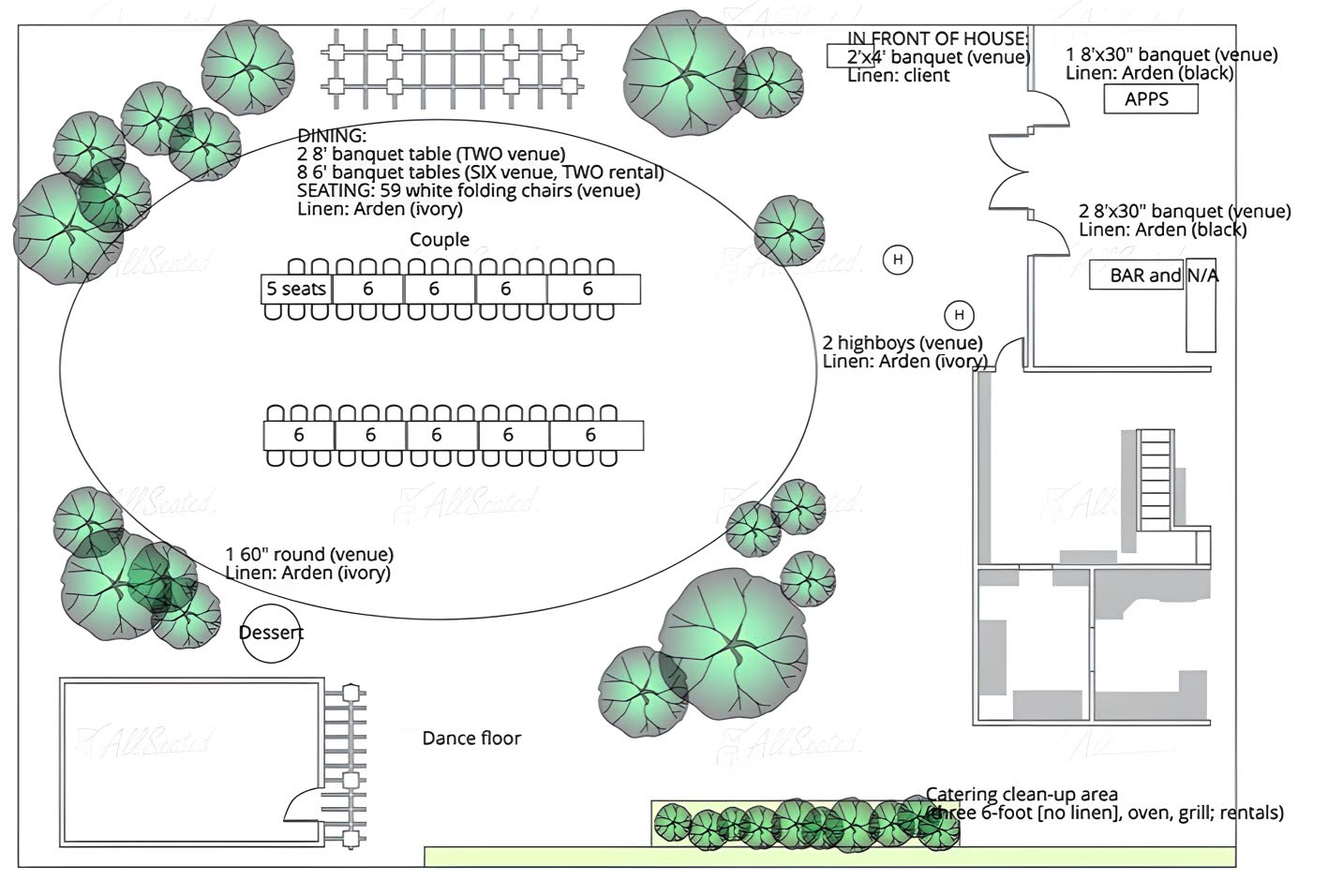
A comprehensive floor plan should encompass every essential aspect of the guest experience, from entrances and entertainment areas to bars, buffets, and dessert stations. It is equally important to map the natural flow of movement throughout the space.
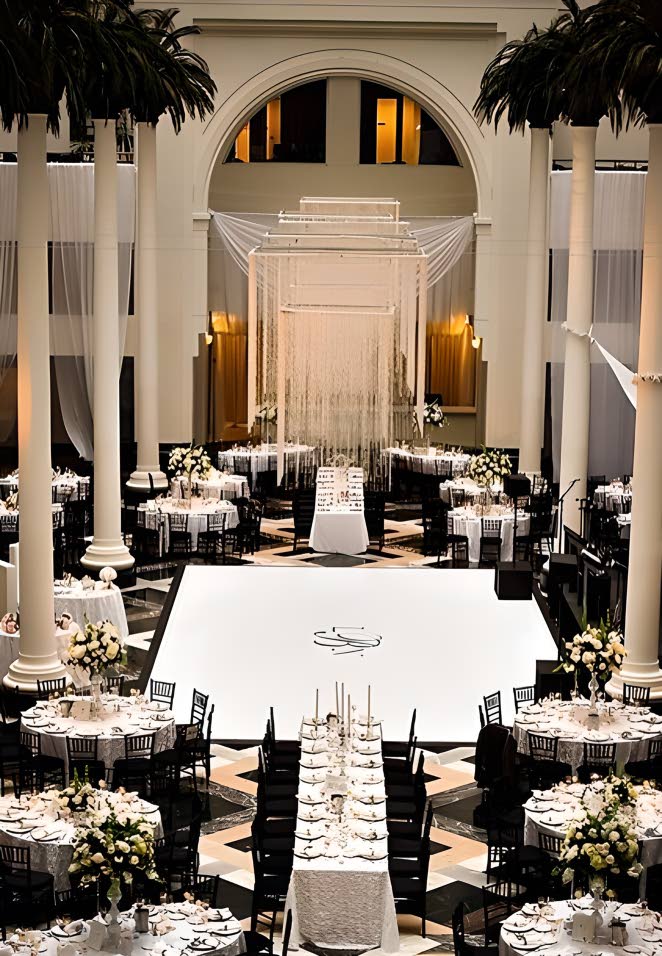
Incorporating a variety of table shapes and sizes introduces a sense of dimension to the floor plan, creating a more dynamic and visually engaging reception space.


