



6 tips for maximising wealth
FOR many Jamaican women, money management is not just about budgeting for themselves, it is about stretching one income across multiple responsibilities: helping family, managing children, building a career, and running a side hustle. When you add living costs, unpredictable weather, plus other social factors, it can start to feel like you are always catching up instead of getting ahead.
The truth is, building excellent money habits does not require a massive salary or a perfect life. It requires structure, consistency, determination and a real plan that protects you while helping you grow.
Below, Christina Millington, assistant vice-president of investment banking at GK Capital Management; and Andrea Muir Gibbs, assistant general manager, personal lines, at GK General Insurance, outline tips to strengthen your money habits and build wealth.
Start with a strong money base
Before you focus on investing, build your foundation. The strongest financial foundation comes from doing both investments and insurance, growing your money and protecting what you are building.
“A simple system works best: One place for bills and fixed expenses, one place for emergencies, and one place for long-term growth. The goal is to create a structure that gives every dollar a job, rather than letting money disappear without direction,” shared Millington.
She advised that women should evaluate their current standing and be honest: If every emergency sends you into debt, it becomes much harder to build wealth. A flat tyre, a sick child, a delayed pay cheque or hurricane-related damage should not wipe out your progress or force you to start over.
“Start small,” she shared. “Even with an emergency fund. A practical first goal could be $15,000 in a top-performing instrument like the GK Mutual Fund, then continue building from there as you gain traction with earnings. The real win is creating a cushion so your life isn’t constantly in crisis mode.”
Automate your savings like a bill
One of the biggest money upgrades you can make is to stop saving what is left over. Let’s fix that. Treat your savings like rent or the light bill. It should be paid first, not last. Set up an automatic transfer on payday, even if it is a small amount.
Millington shared, “If you can, aim to save a percentage of your income and split it between emergency savings and investing. If that feels hard right now, start lower and grow into it. The habit matters more than the size at the beginning.
Cash alone is not a full strategy
Many women are excellent savers but keep all their money in one place. It feels safe, but it can limit your growth and leave you underprepared for bigger goals. A stronger approach is to layer your finances for different needs: savings for short-term needs, investments for long-term growth, and insurance to protect them all.
“You’re building a financial team. Each part has a role, and each part supports the others. If all your money is currently sitting in one account, your next move may not be to earn more right away, it may be to allocate better. Small changes create a big difference in how secure and prepared you feel,” said Millington.
Insure your income, not just your car or house
When people think of insurance, they usually think of a car first, and maybe a house. But one of your biggest assets is your ability to earn.
If you are employed, self-employed, or running a small business, your income supports much more than your personal needs. It may support children, relatives, rent, transportation, school expenses, or even other people’s emergencies. That means protecting your earning power should be a major financial priority.
Insurance is not just about replacing things. It is about protecting your progress and preserving your stability when life takes an unexpected turn. One illness, one accident, or one major disruption can affect an entire household. The right coverage can help you recover faster and reduce the need to drain savings or take on debt.
“Take time to review what protection you may already have through whatever channels exist with your agent, employer, bank, or existing personal policies. Many people either assume they are fully covered when they are not, or they forget what they already have. A quick review can reveal both opportunities and gaps,” shared Muir Gibbs.
Prepare before the next emergency
Women know that weather and economic shocks are not theoretical, as they can affect everything — income, housing and daily routines — so protective habits matter just as much as investment habits. Preparation is a financial skill, not just a response to disaster.
Muir Gibbs shared: “Start by making sure your important documents are easy to access if you need them. Keep copies stored safely online or in your email, and make sure you have a record of valuable items. Review your insurance coverage and confirm that the amounts listed still reflect the true value of what you own. Also, make sure you understand what your policy covers and what it excludes, because many people only discover those details after a loss.
Knowing how to file a claim before an emergency happens can also save time and stress. In difficult moments, clarity matters. Preparation gives you that clarity.
Build a money circle
Money habits are easier to maintain when you are not doing it alone.
Many women carry financial pressure quietly, but silence can make money goals feel heavier than they are. A small, trusted money circle can make a difference. The goal isn’t formality; it just needs consistency. Choose a few women you trust and set up a monthly check-in to discuss progress. Share what you are working on, learning, and what needs work in order to build accountability, confidence, and momentum.
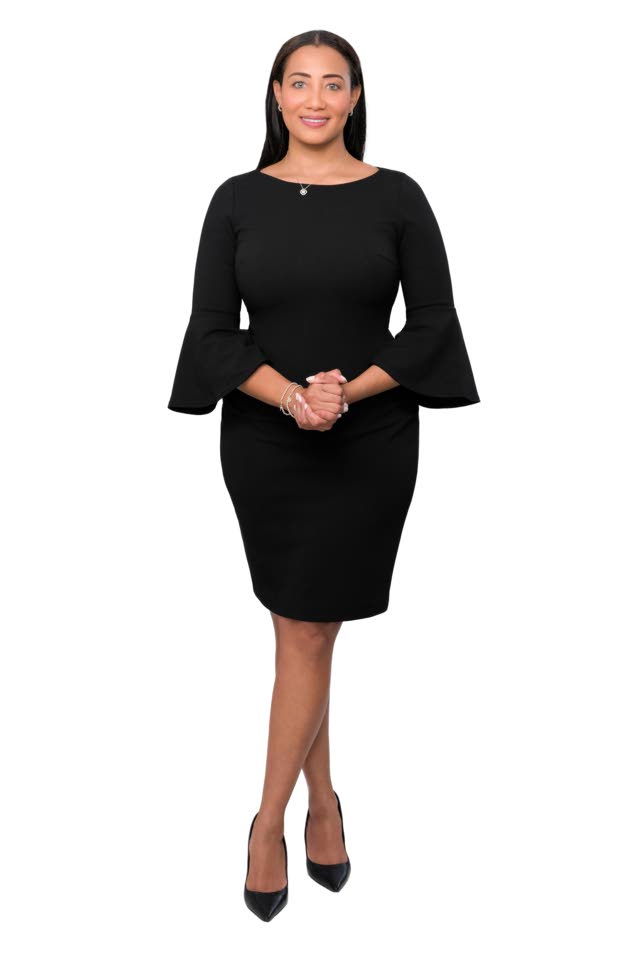
Christina Millington, assistant vice-president, investment banking at GK Capital Management Limited.


