



Putting ‘class’ back in the classroom
Manning’s invests in its new teachers
SAVANNA-LA-MAR, Westmoreland — In a deliberate move to strengthen professionalism and restore “class” within the classroom, Manning’s School in Westmoreland recently launched an initiative to support and guide its newest educators.
With approximately 20 new teachers joining the institution across the 2024, 2025, and 2026 academic years, the targeted professional development session was designed to ensure a smooth transition into the school environment while reinforcing the standards of Manning’s School. Held on April 15, the theme was ‘Reclaiming Teaching as a Prestige Profession: Put back the ‘class’ in the classroom’.
The brainchild of master teacher Ilene Cohall-Bailey, the session placed a strong emphasis on professional conduct, classroom management, and the teacher’s role as a positive influence both in and out of the classroom. By promoting innovative and engaging teaching strategies the programme sought to reintroduce a sense of pride, structure, and respect — hallmarks of true “classroom class”.
Cohall-Bailey underscored that the initiative is deeply rooted in the school’s mentorship vision and its commitment to strengthening the teaching profession.
“Manning’s School had launched its mentorship programme in 2023 under the guidance of the Ministry of Education,” she told the Jamaica Observer.
“Mentorship is really for new teachers to the school and the profession. These teachers are partnered with experienced teachers who will inspire and motivate them towards excellence in the teaching profession. It also helps with the retention of teachers as it helps to retain new and effective teachers in the profession,” she added.
Cohall-Bailey emphasised that the session was not just about orientation, but about restoring dignity and accountability within the profession. Referencing the teacher performance appraisal framework, she explained, “Guiding principle number six states that the teacher conducts himself or herself in a manner that uplifts the profession. The teacher has a moral responsibility to himself or herself and those whom he or she serves. The teacher should therefore support high standards by creating a supportive and respectable atmosphere,” Cohall-Bailey noted.
She added a sobering reminder of the realities educators face.
“We must remember we are constantly scrutinised by the public so we should always model positive behaviour,” she cautioned.
It was this awareness, she said, that made the session necessary, ensuring that new teachers are equipped not only with skills, but with the mindset required to act professionally.
New teacher Daynia Pinnock Lawrence described the session as “highly engaging” and “informative”, noting that it offered valuable insights and had already begun to shape her approach to teaching. Her response reflected a wider sentiment among participants who said they found the experience both practical and inspiring.
Chaired by Marcia Brown, senior teacher at Manning’s School, the session featured a dynamic panel of presenters who each brought critical perspectives to teacher development. Euphyline Reid, the school’s executive secretary, challenged participants to view teaching as a prestigious profession, calling for a mindset shift that recognises it as a noble and deeply respected career. Carlene Rumbolt, head of the humanities department and a seasoned educator, focused on mastering classroom presence, emphasising the importance of poise, confidence, and command in establishing authority and respect. Meanwhile, Saskiea Whyte-Johnson, head of Manning’s School’s Business Department, explored strategies for elevating classroom interaction through engaging and innovative teaching methods. She highlighted the need to balance both online and physical learning environments while integrating technology to enhance engagement, noting that today’s students are “digital citizens”. She encouraged teachers to adapt by meeting students in that digital space, using technology intentionally to create more interactive and impactful learning experiences.
The session forms a key part of the Manning’s School Improvement Plan (SIP), for which Cohall-Bailey serves as team lead. She pointed out that recent disruptions, including infrastructural challenges that have forced some classes into makeshift spaces, have made it even more important to reinforce professionalism.
“We are saying that even though we are having some of our classes under tents and in damaged rooms, that will not stop us from being professionals,” she asserted.
Aligned with the Ministry of Education’s Strategic Objective Number 10, the programme seeks to strengthen compliance with national standards and reinforce accountability across the education system. Due to earlier disruptions, opportunities to engage new teachers were limited, making the recent session a critical step in strengthening the mentorship programme, and aligning training with ministry policy and framework.
“Whether you were a beginning teacher, teaching for just under two years, or you are a seasoned teacher but new to Manning’s [School], you have to be cultured to what Manning’s wants,” Cohall-Bailey stated.
Adding a thoughtful and personal touch, organisers presented a sample teacher survival kit carefully curated to address the everyday realities of the profession. Items ranged from tension relievers such as stress balls to personal care essentials including moisturiser, sanitiser, tissue, lip balm, and even a sewing kit. Energy boosters including tea bags, nuts, cookies, mint, and chocolate mix were paired with classroom must-haves such as red-ink pens, notebooks, markers, and motivational reading materials. Teachers also received small tokens containing select items from the kit, reinforcing the message that their well-being matters.
The session concluded with a presentation of certificates of appreciation and participation, celebrating the commitment of the new educators. Beyond the immediate benefits, the initiative forms part of a broader support system within the school. Currently, three trained mentors are on staff, complemented by heads of departments (HODs) who serve as the first point of contact for guidance and support. There are plans to further strengthen this framework by training all HODs as mentors, ensuring a consistent and reliable network for professional growth.
Ultimately, the programme reflects a long-term investment in both teachers and students. By equipping educators with the tools, support, and mindset needed to succeed, Manning’s School aims to improve not only academic outcomes but also students’ personal development. Guided by the mantra of the Mentors Association of Jamaica, “Lift as You Climb”, the school continues to build a culture where experienced educators uplift new ones, ensuring that excellence in the classroom is sustained for years to come.
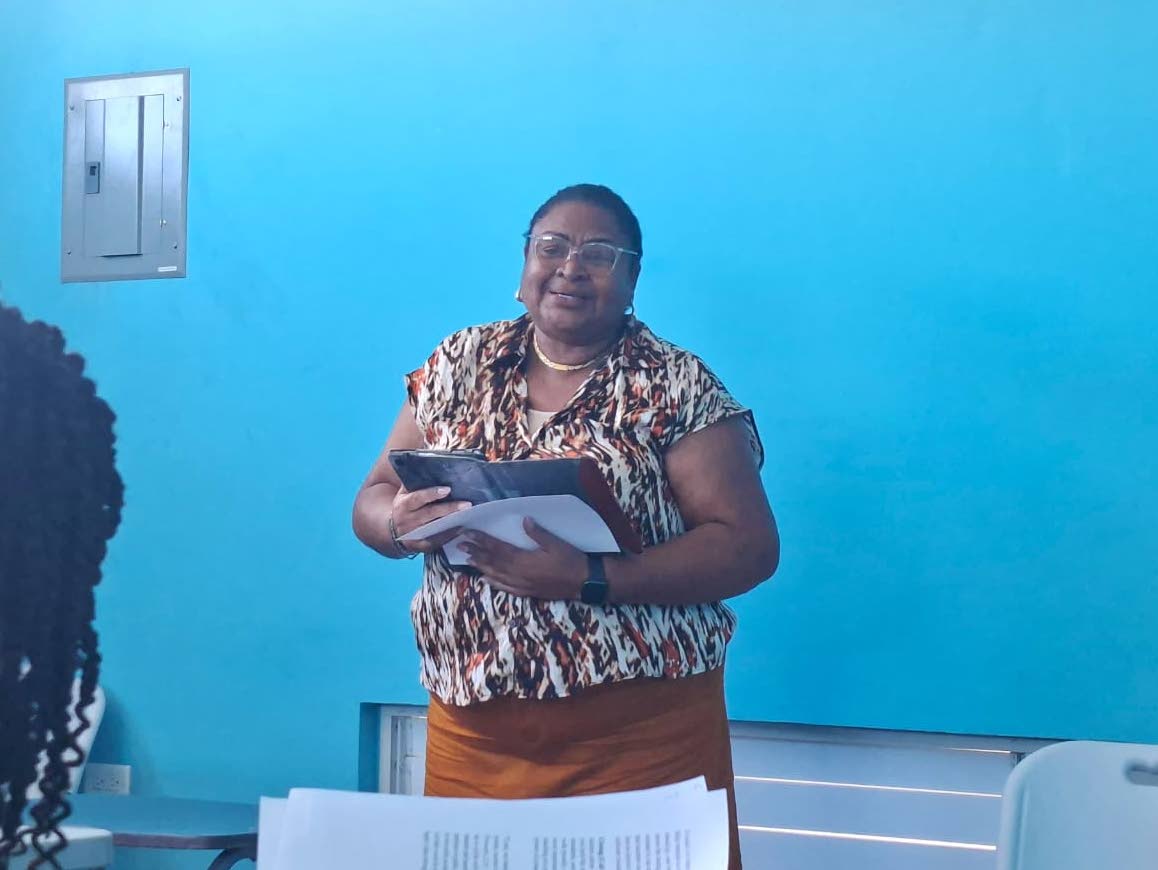
Manning’s School senior teacher Marcia Brown chairing the session.
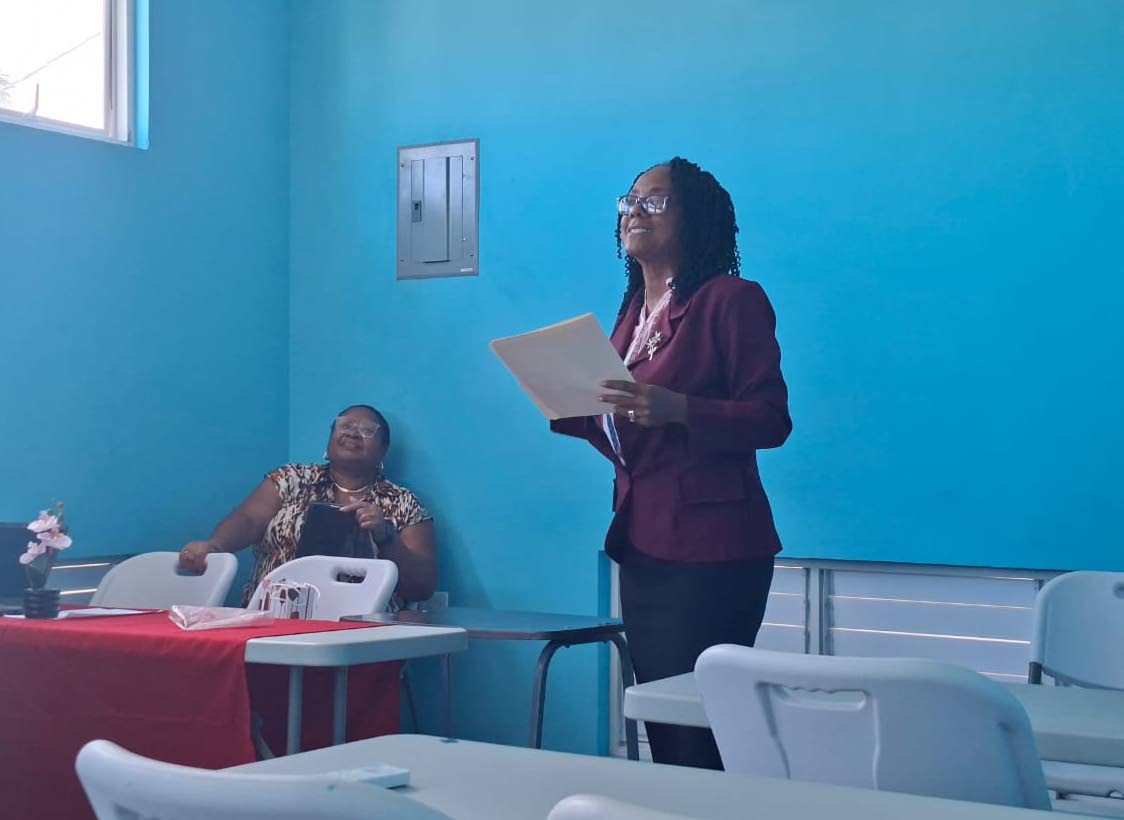
Manning’s School’s Executive Secretary Euphyline Reid challenging participants to view teaching as a prestigious profession, during a recent session held under the theme ‘Reclaiming Teaching as a Prestige Profession: Put back the ‘class’ in the classroom’.

Saskiea Whyte-Johnson, head of the Business Department at Manning’s School, exploring strategies for elevating classroom interaction through engaging and innovative teaching methods.
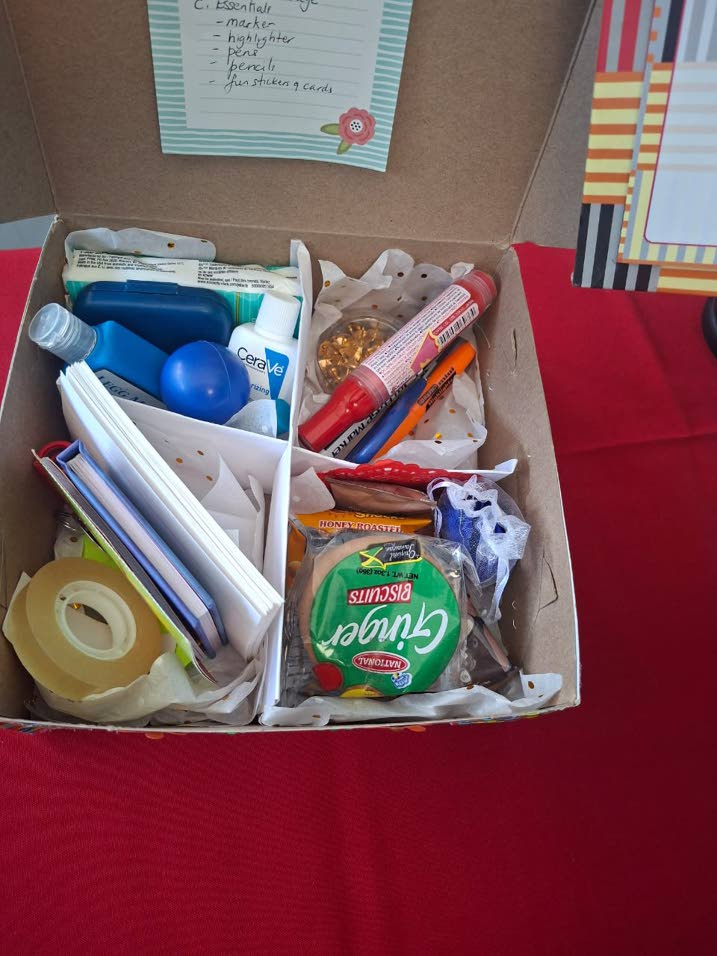
The survivor’s kit provided to new teachers at Manning’s School.
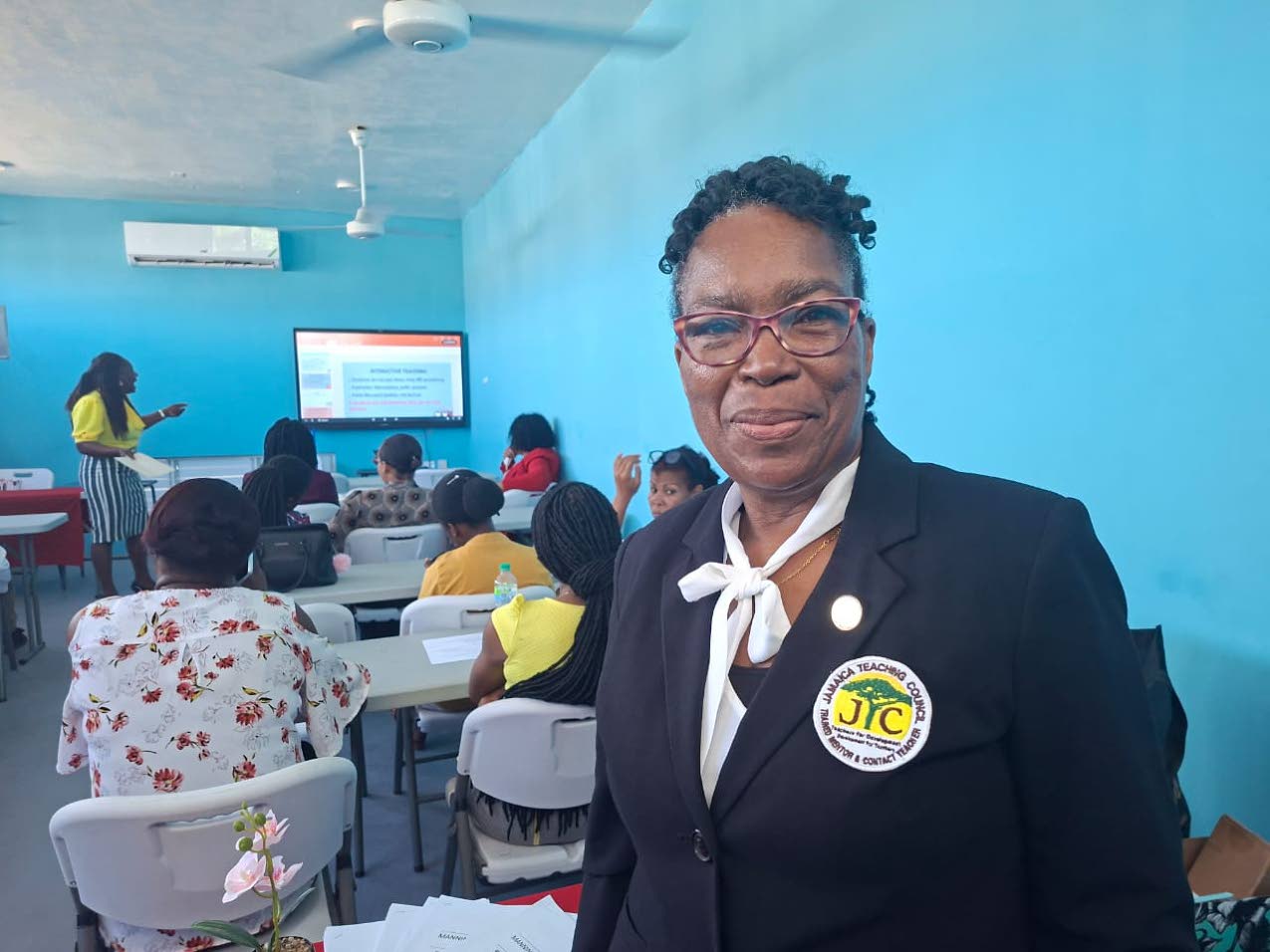
Ilene Cohall-Bailey was the driving force behind the recently held professional development session. (Photos: Rosalee Wood Condell)


