



Rain or Shine: A Guide to Growing Succulents During Rainy Times
Style Observer Gardening gets more lessons from
The Potscapes Shoppe principal Pamela McLaughlin on succulent care during rainy times.
Placement Changes Everything
The best spaces for succulents are often those that balance brightness with protection. Covered outdoor areas — such as verandahs, patios, or entryways — tend to work quite well. They allow the plants to receive natural light while shielding them from direct rainfall.
For succulents that thrive in bright indirect light, indoor areas can also be effective, particularly near windows where there is strong indirect light.
Airflow matters just as much as light. Breezy spaces help soil dry more efficiently, which is essential, especially in local humid conditions.
If rain can fall directly into the pot, it’s too exposed. If the plant remains dry while still receiving adequate light, you’re on the right track with placement.
Tip: Rotate your plants occasionally so all sides receive light evenly. Overcast days can create uneven growth if plants stay in one position too long.
Less Water, More Attention
Caring for succulents requires a shift in how you think about watering.
It’s not about following a schedule — it’s about responding to the plant and the environment.
During rainy periods, soil takes longer to dry, humidity is high, and plants require far less additional water.
Instead of asking when to water, it’s better to ask whether the soil is completely dry. If it isn’t, wait. If you’re unsure, wait a little longer. That restraint is often what keeps succulents healthy.
Tip: A moisture meter can be useful if you’re just starting out, but you can also use simple, low-tech methods:
• Wooden stick or skewer: Insert [it] into soil and leave a few minutes. If it comes out damp, the soil is still wet.
• Pot weight: Lift the pot and notice its weight. A waterlogged pot feels heavier than a dry one. Over time, you’ll learn to tell the difference by feel.
These techniques help you become a more intuitive grower, especially during rainy weather.
The rainy season is also a great opportunity to implement drainage and protective techniques. One highly effective method is using decorative stones, gravel, or small pebbles on the soil surface. This top layer helps:
• Direct water away from the roots
• Prevent soil from splashing onto leaves
• Keep lower leaves from sitting in wet soil, reducing the risk of rot during heavy rains
Layering stones on the soil surface adds visual appeal and protects sensitive succulents from moisture-related problems.
Tip: Consider using raised or sloped arrangements in your pots or containers. This allows water to flow naturally toward one side or through a drainage layer, creating a microclimate where some soil stays drier.
By paying attention to these simple adjustments, even the rainy months become an opportunity to observe, learn, and develop a resilient collection that thrives despite wet weather.
Don’t let the rain be the reason you hold off. Let it shape how you begin.
Start small. Choose your space carefully. Pay attention to light and dryness. Because once you understand how to manage rain, you’ll find that succulents don’t just survive here — they thrive.
Rainy months may feel challenging at first, but they teach patience and observation — the same qualities that make succulent care rewarding. With the right approach, even rainy times can be an opportunity to grow a resilient, beautiful succulent collection.
Pamela McLaughlin, PhD, is the founder of The Potscapes Shoppe, specialising in an extensive selection of premium succulents and cacti and thoughtfully designed arrangements. With decades of hands-on succulent gardening experience and a background in science, she shares tips and guidance to help readers grow healthy, thriving succulents and cacti.
Email: pamela.mclaughlin@potscapesshoppe.com
Instagram: @potscapes
The Potscapes Shoppe: 29 Upper Waterloo Road, on the grounds of MegaMart
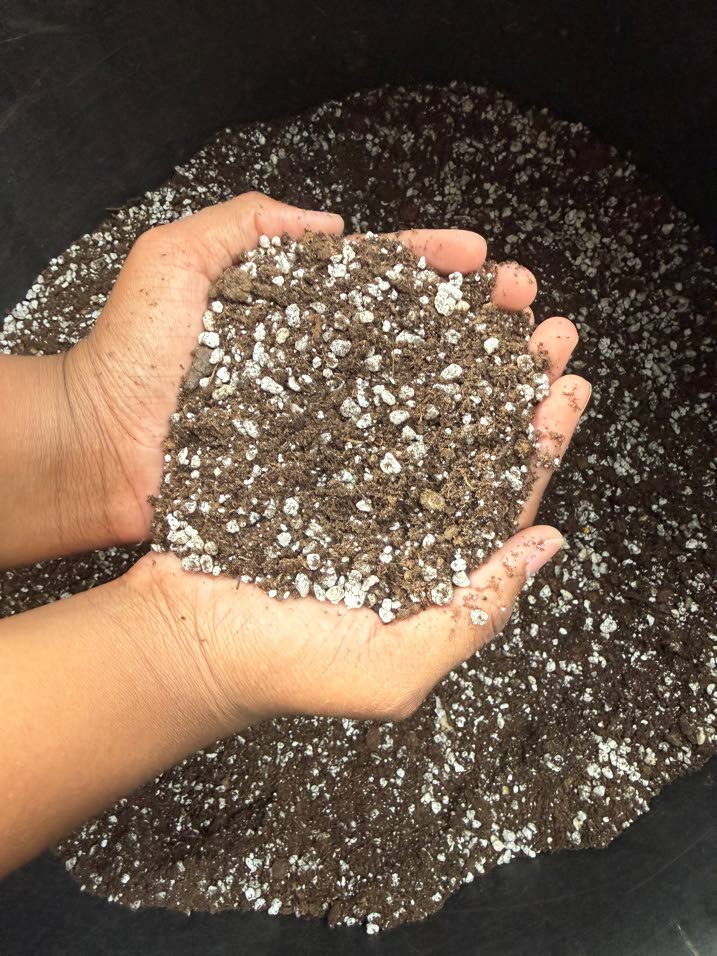
To keep succulents healthy, one must prioritise soil dryness over frequent watering. If moisture is still present, or if the soil’s condition is unclear, waiting a little longer is the safest approach. (Photo courtesy of Pamela Mclaughlin)
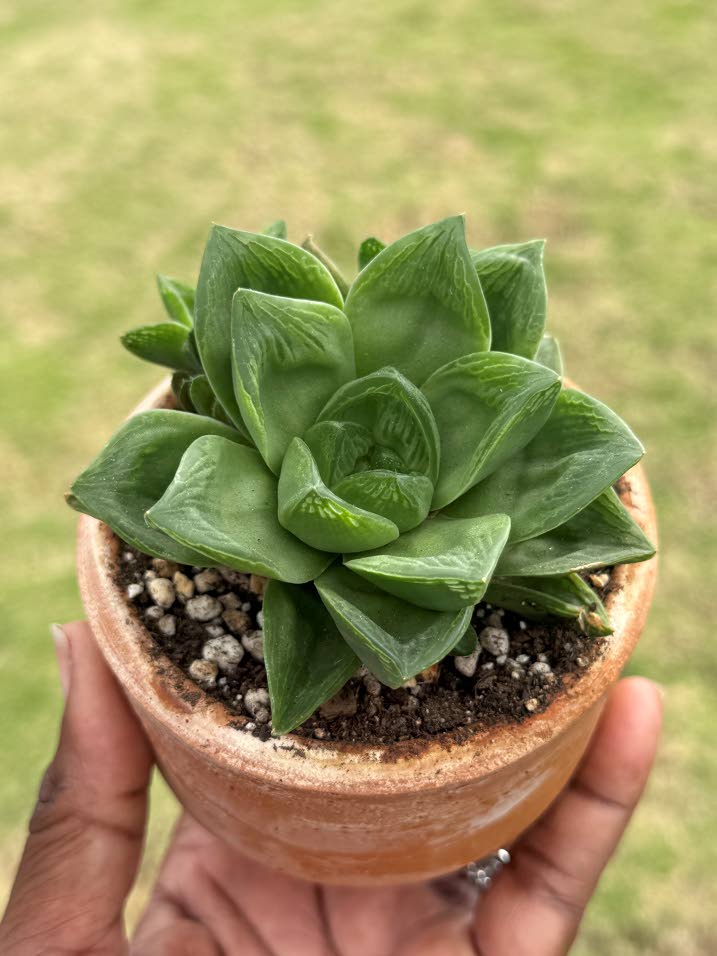
Haworthia cymbiformis (Photo courtesy of Pamela Mclaughlin)
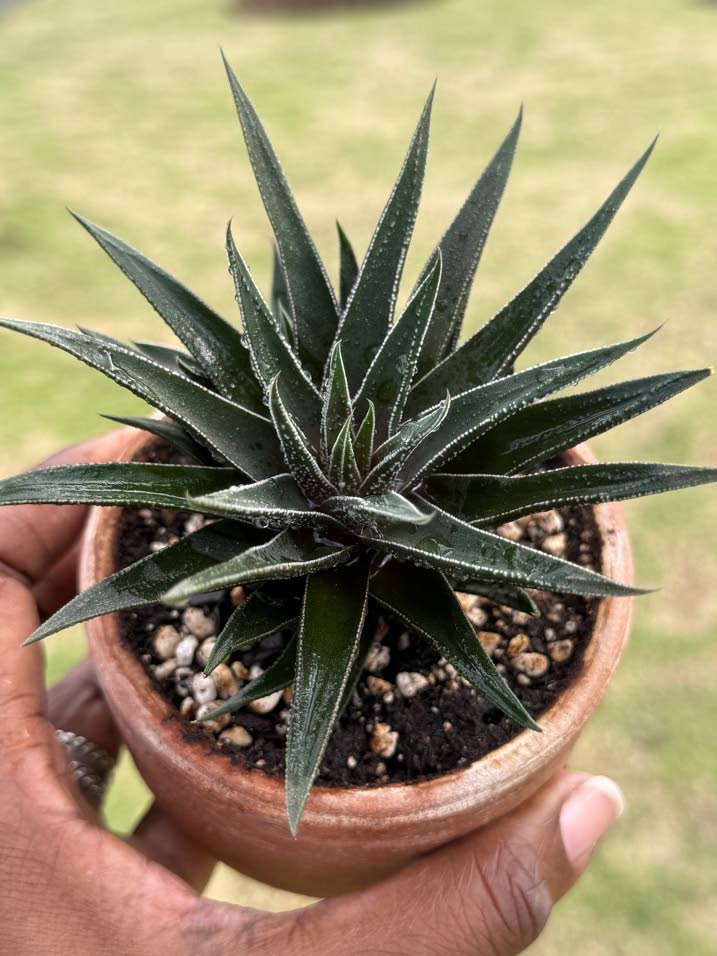
Haworthia herbacea(Photo courtesy of Pamela Mclaughlin)
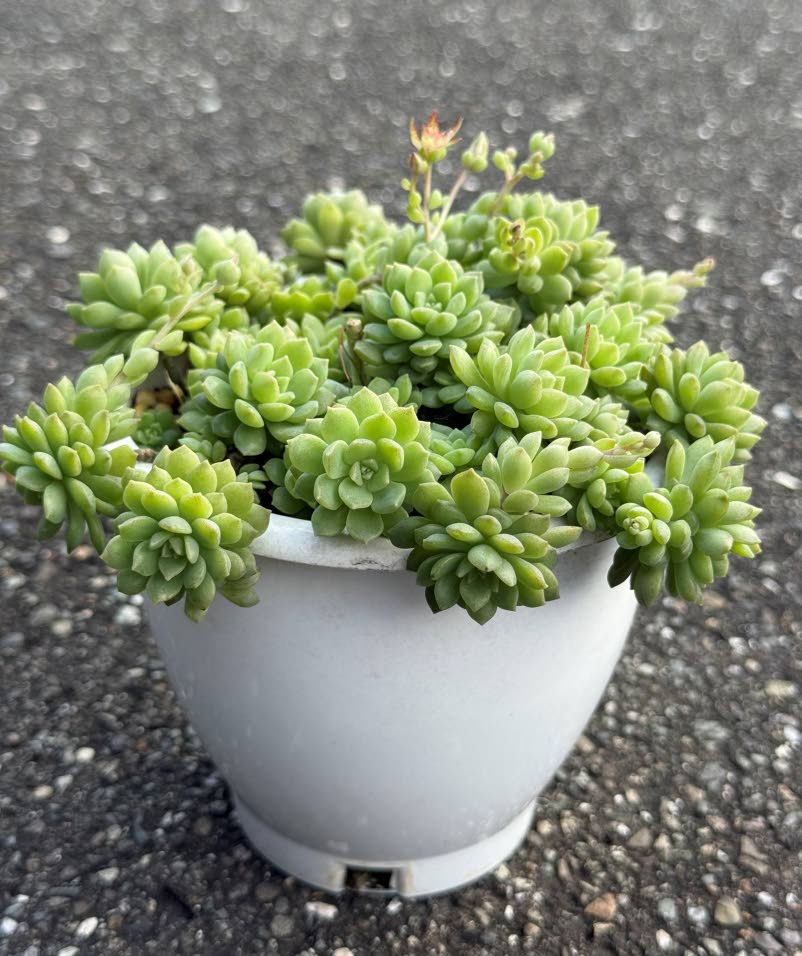
The Sedum is another susceptible variety; its structure can easily trap water, leading to rapid deterioration in consistently wet conditions.(Photo courtesy of Pamela Mclaughlin)
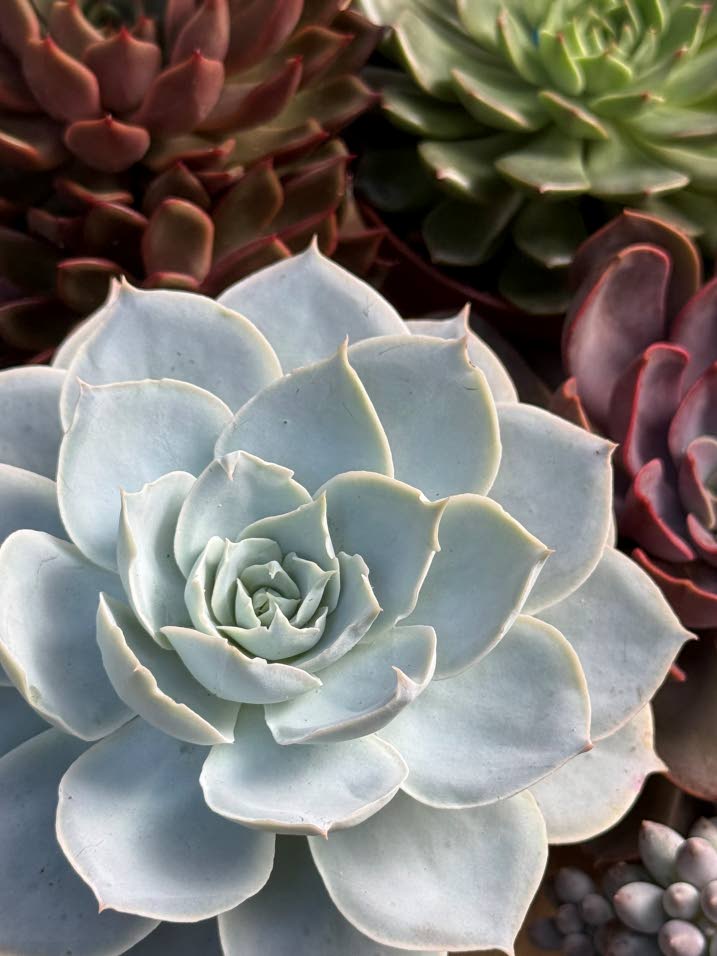
Strategic care during wet weather ensures that sensitive varieties like Echeveria continue to thrive.(Photo courtesy of Pamela Mclaughlin)
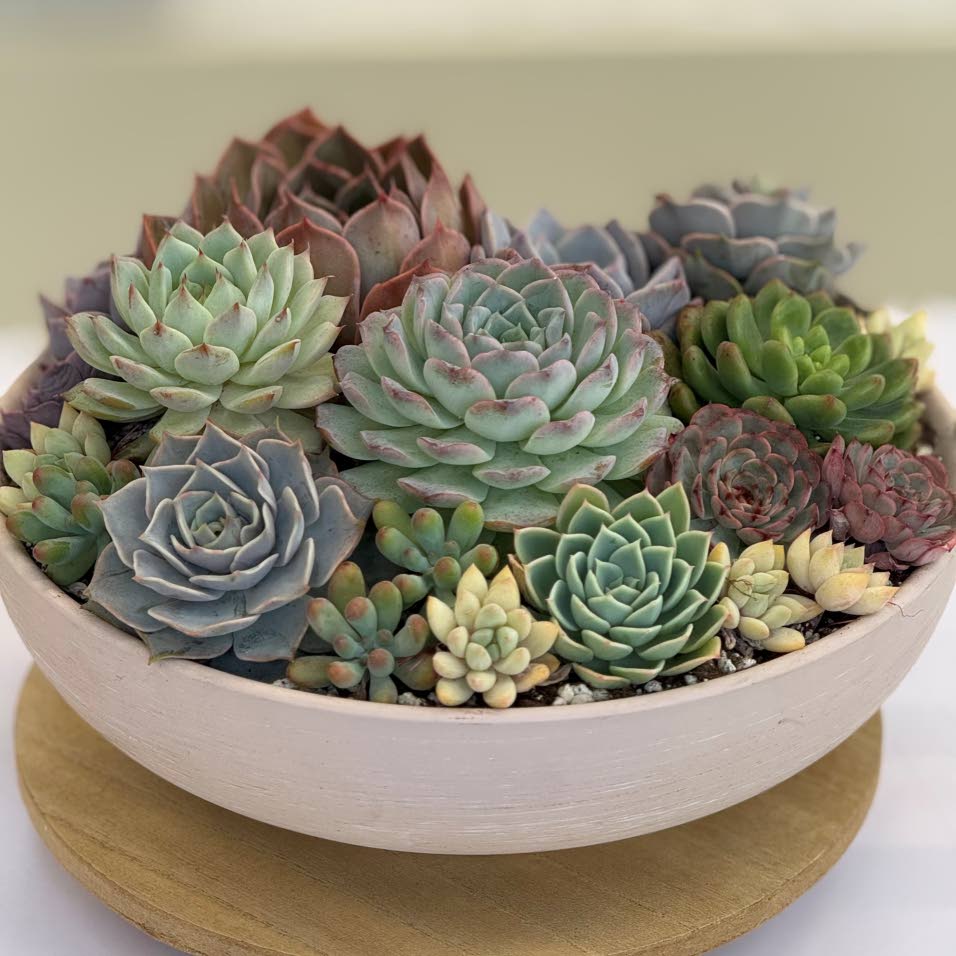
Indoor environments are well-suited to succulents requiring indirect light.(Photo courtesy of Pamela Mclaughlin)


