



Airbnbs to start paying GCT
Government confirms other short-term rentals will begin paying taxes from April 2027
THE Government has confirmed that operators of short-term rental properties, including Airbnb accommodations, will begin paying General Consumption Tax (GCT) from April 1, 2027 under new tax measures approved in the House of Representatives during a late-night sitting that extended into early Wednesday morning.
The clarification emerged during debate on the General Consumption Tax Amendment of Schedules Order 2026, when Opposition spokesman on finance Julian Robinson sought confirmation on whether the proposed changes to tourism accommodation taxes would also apply to Airbnb-style rentals and other short-term properties. Finance Minister Fayval Williams confirmed that such properties would indeed fall under the new tax arrangement.
“So this would, in effect, be a new category then that would be eligible to start paying tax as of April 1st, 2027. Because, prior to this they would not have been captured in any form,” Robinson said during the parliamentary exchange.
The measure forms part of a broader package of revenue changes introduced by the Government, including increased taxes on alcoholic beverages, cigarettes, and sweetened drinks, as well as adjustments affecting tourism-related activities and motor vehicle concessions.
In presenting the measures, Williams argued that the changes were necessary to strengthen government revenues amid growing financial pressures following Hurricane Melissa and the need to preserve fiscal stability.
“These measures are not introduced in isolation, rather they form part of the government’s broader fiscal response to the current economic environment, including the increased expenditure pressures arising in the aftermath of Hurricane Melissa and the continued need to safeguard fiscal stability while maintaining essential public services,” the finance minister told the House.
Williams also said the changes represented “a critical step in giving legislative and operational effect” to revenue measures previously announced during the budget debate.
The confirmation that Airbnb operators will be captured under the tax regime later triggered criticism from the Opposition, which accused the Government of quietly introducing the measure without adequate public consultation or notice to property owners.
In a media release issued later Wednesday, Opposition spokeswoman on tourism and linkages Andrea Purkiss condemned what she described as the Government’s decision to pass the measure “like a thief in the night”.
“The Government’s decision to rush this through in the dead of night shows complete disregard for the thousands of ordinary Jamaicans who depend on short-term rentals to survive. There was no warning, no consultation, just stealth. We demand an explanation,” Purkiss said.
The Opposition release noted that the short-term rental market has expanded significantly over the last several years, growing from 59,500 guests in 2017 to more than 800,000 in 2024, while generating more than $32 billion for property owners. It also argued that many Jamaicans rely on Airbnb rentals and other short-term accommodations as an important source of income or to help cover household expenses.
Purkiss is now calling for the Government to provide greater transparency on the measure and conduct a full impact assessment before the tax officially takes effect in 2027.
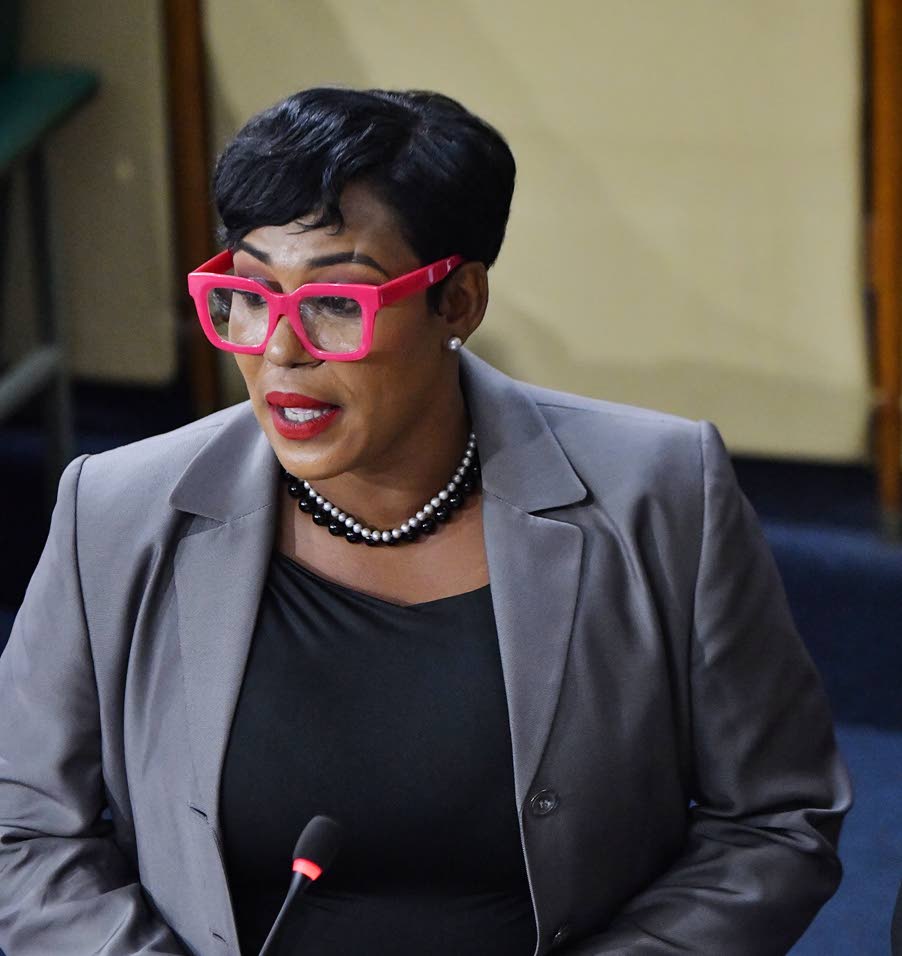
PURKISS… condemned what she described as the Government’s decision to pass the measure “like a thief in the night”.


