



Beyond Mendoza: Why Buenos Aires Province Is Redefining Argentine Wine Travel
The story of Buenos Aires Province as a wine destination begins in contradiction. For decades, Argentina’s global wine identity has been tethered to elevation, to the mineral austerity of the Andes as well as the dramatic extremes that shape Malbec into a flagship export. Yet across the lowlands and coastal corridors surrounding the capital, a different narrative has been gathering momentum. It is one rooted in accessibility, in maritime influence, in cultural continuity, and in a recalibration of how wine integrates into everyday life. This is the tension that defines Buenos Aires province today: A region historically peripheral to Argentina’s viticultural prestige now asserting relevance through innovation, intimacy, and strategic positioning within a shifting global wine economy.
The emergence of this province as a credible wine destination is neither accidental nor purely aesthetic. It reflects broader transformations identified by institutions such as the International Organisation of Vine and Wine and Instituto Nacional de Vitivinicultura, which have observed a gradual pivot toward diversified terroirs, experience-led tourism, and adaptive viticulture in response to climate variability. In this context, Buenos Aires province offers something quietly radical: A decentralised expression of Argentine wine culture, one that privileges connection over spectacle and proximity over pilgrimage.
At Berisso, the Cooperativa de la Costa carries the weight of memory. Its vineyards, planted largely with Isabella grapes, reflect the legacy of European immigrants who arrived with cuttings and conviction, shaping what became known as “Vino de la Costa”. The soils here are alluvial, influenced by the Río de la Plata, with humidity levels that demand resilience and adaptation. The wines themselves are modest in structure yet culturally resonant, offering a sensory link to a past that remains present in local identity.
Further north, in Campana, Casa Gamboa presents a different articulation of the province’s potential. Its five hectares of Malbec, Cabernet Franc, and Pinot Noir are meticulously managed, reflecting a commitment to precision viticulture that aligns with contemporary global standards. The terrain is flat, the climate temperate, the soils a mix of sandy loam that encourages moderate vigour. Here, the narrative shifts toward intentional design with the proximity to the city allowing for a recalibration of wine tourism itself. Visitors are no longer required to commit to extended travel, instead they engage with wine as part of a day’s rhythm, integrating it into a lifestyle rather than an escape.
The emphasis rests on freshness, on varietal expression that responds to local conditions, on crafting wines that resonate within their environment rather than compete with established benchmarks. This philosophy extends southward to Sierra de la Ventana, where Bodega Saldungaray occupies a landscape shaped by low mountain ranges, streams, and shifting winds. The vineyards sit at moderate elevation, enough to introduce diurnal variation, influence acidity and aromatic development. The wines here reflect a balance between structure and approachability, shaped by soils that combine sand and limestone fragments. The cellar practices emphasise clarity and restraint, aligning with a broader movement toward parcel-based vinification observed across Argentina.
In Uribelarrea, Finca Don Atilio offers an intimate counterpoint. Specialising in Tannat and Syrah, the estate reflects a small-scale approach that prioritises craftsmanship over scale. The soils are fertile yet carefully managed, with attention given to canopy control and water usage. The experience here is deliberately restrained. Tastings unfold alongside homemade food, with empanadas that anchor the wines within a culinary tradition. The visit lasts a few hours, yet it leaves a lasting impression of authenticity. This is where the province’s strength becomes evident. It does not attempt to compete with Argentina’s flagship regions on volume or reputation. It cultivates depth through intimacy.
The narrative expands again in Tandil, where Cordón Blanco integrates sustainability into its operational philosophy. Vineyards in Don Bosco and La Elena benefit from a cooler climate, with winds that moderate temperature and reduce disease pressure. Here, regenerative practices are gradually being introduced, reflecting a broader industry shift toward environmental stewardship. Soil health becomes a focal point, water usage is carefully monitored, and biodiversity is encouraged within the vineyard ecosystem. These decisions align with global trends identified by the Wine & Spirit Education Trust and Wine Intelligence, which highlight sustainability as a defining factor in consumer perception and producer strategy.
Closer to the Atlantic, in Chapadmalal, Trapiche Costa & Pampa introduces a maritime dimension that redefines expectations. The vineyards here are influenced by oceanic conditions, with cooling breezes and higher humidity shaping a distinct microclimate. The wines express freshness, with pronounced acidity and aromatic precision. Varieties such as Albariño and Pinot Noir thrive in this environment, offering profiles that diverge from Argentina’s traditional expressions. The proximity to the sea introduces a sensory interplay between salt air and vine, creating a context that feels both local and globally relevant.
The broader evolution of the province reflects a strategic recalibration within Argentina’s wine industry. As global markets shift toward premiumisation and experience-driven consumption, producers are rethinking how value is communicated. It is no longer sufficient to present wine as a product. It must be framed within a narrative that integrates place, culture, and personal engagement.
Buenos Aires province responds to this shift with clarity. Its wineries function as cultural spaces, where gastronomy, landscape, and human interaction converge. The emphasis on short visits, on accessibility, on family-friendly environments reflects a demographic transition identified by IWSR Drinks Market Analysis. Younger consumers, urban professionals, and international travellers seek experiences that are immersive yet flexible, refined yet approachable.
Climate adaptation also plays a defining role. While the province does not face the same water scarcity challenges as high-altitude regions, producers remain attentive to variability. Vineyard management incorporates precision monitoring, canopy adjustments, and soil conservation techniques. These practices reflect a broader commitment to sustainability that aligns with global expectations.
As the narrative returns to the city, the relationship between Buenos Aires and its surrounding province becomes clear. The capital functions as both gateway and anchor. It connects visitors to a network of wineries that collectively redefine what Argentine wine tourism can be. This proximity creates a dynamic rarely found in global wine regions. It allows for spontaneity, for repeated engagement, for a deeper integration of wine into daily life. It positions Buenos Aires province as a destination that complements rather than competes with Argentina’s established regions.
By 2026, this positioning carries strategic weight. The province emerges as a laboratory for innovation, a space where producers experiment with varieties, techniques, and experiences that respond to evolving market demands. It becomes a case study in how regions can adapt without abandoning identity.
For travellers, the appeal lies in this convergence of factors. The wines are distinctive, shaped by climates that differ from the Andean norm. The experiences are accessible, designed to integrate seamlessly into itineraries. The cultural context remains deeply Argentine, rooted in tradition yet open to reinterpretation.
Anetza Concierge understands this terrain with a level of nuance that reflects both cultural fluency and strategic insight. Its role is not to simplify the experience but to deepen it, guiding travellers through a landscape that rewards attention and curiosity. It frames Buenos Aires province not as an alternative to established destinations but as an essential complement, one that reveals the breadth of Argentina’s wine narrative.
In the end, the significance of Buenos Aires province as a wine destination rests on its ability to articulate a different kind of value. It offers immediacy, diversity, and cultural depth within a framework that feels both contemporary and grounded. It invites visitors to engage with wine as part of a living system, one that encompasses landscape, community, and evolving industry practices.
The horizon remains wide, the vines continue to adapt, and the province steps forward with quiet confidence. For those seeking to understand where Argentine wine is heading, the journey begins here. Salud!
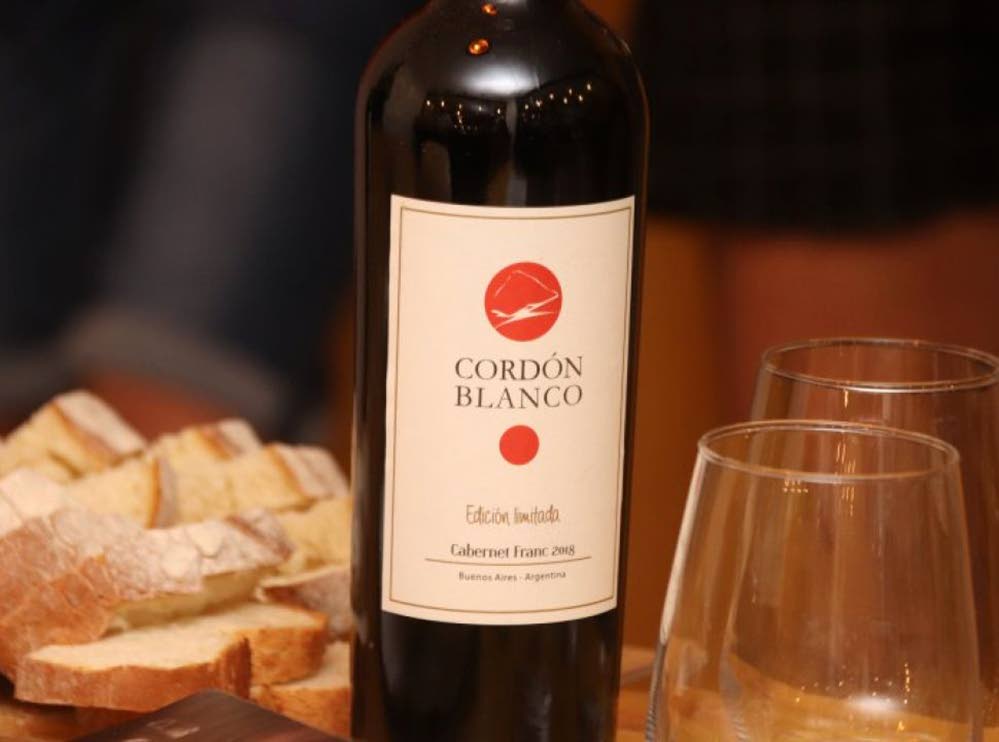
Bodega Cordón Blanco Cabernet Franc has the typical characteristics of the varietal — intense colour, good acidity and fresh taste. (Photo by Trapiche Wines)
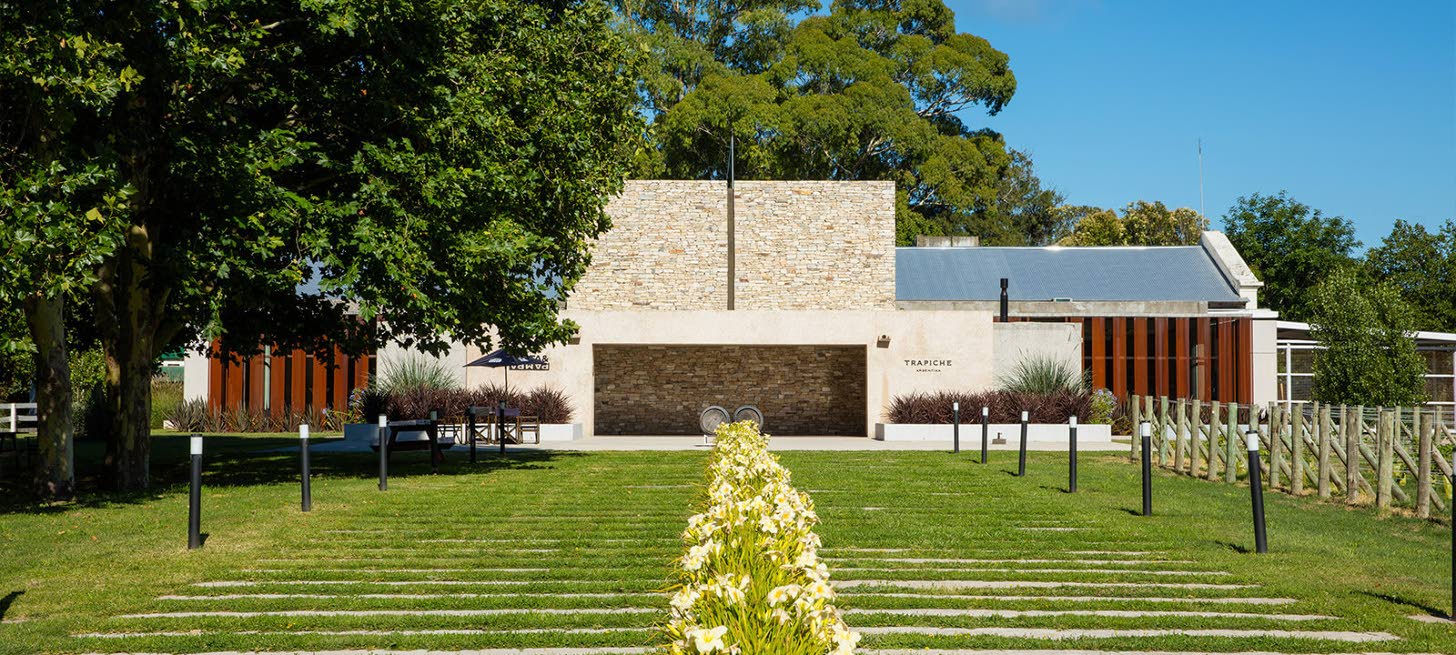
The Bodega at Chapadmalal (Photo by Trapiche Wines)
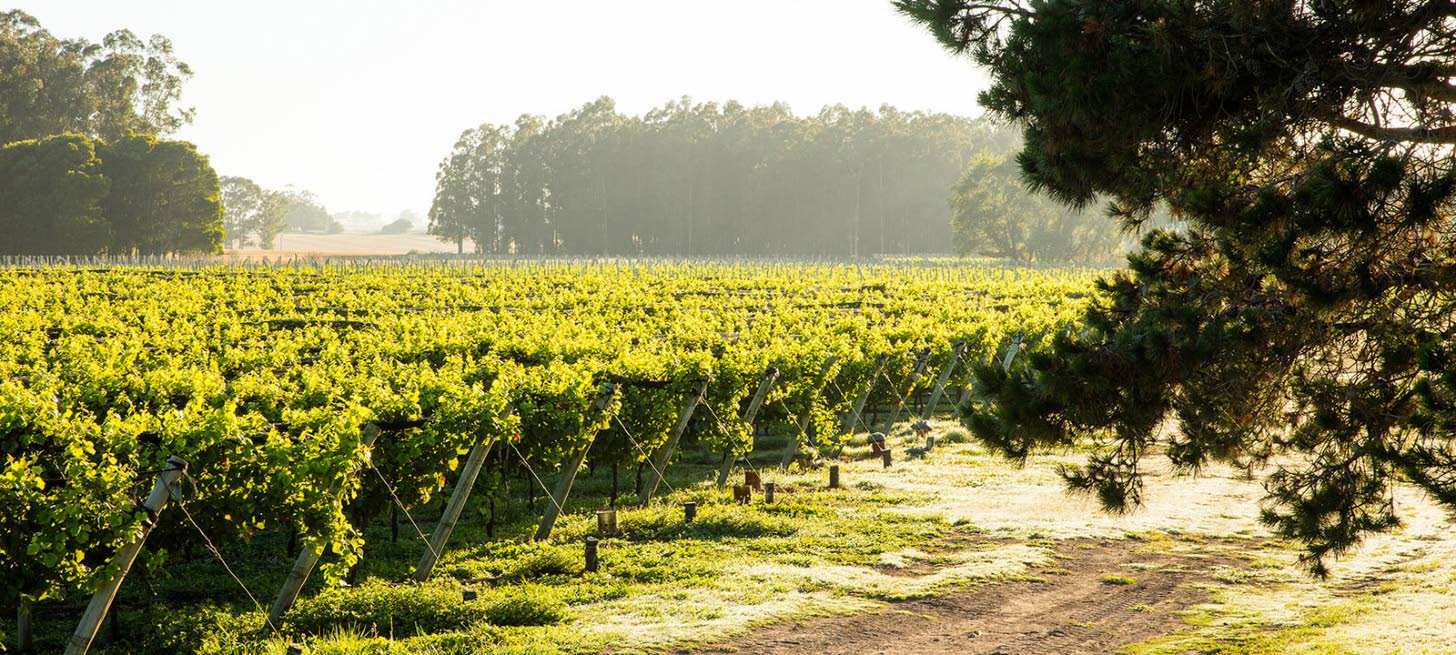
The Vineyards at Chapadmalal (Photo by Trapiche Wines)
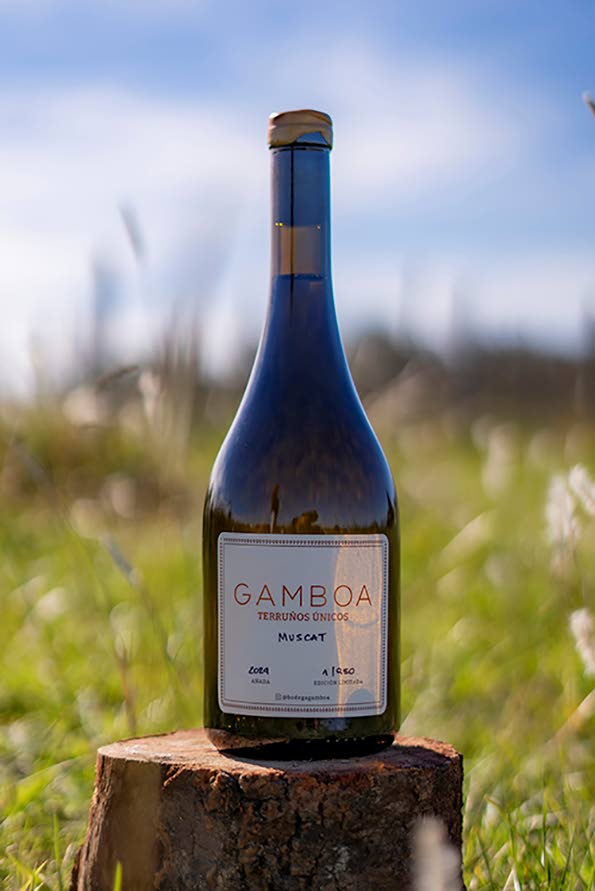
Gamboa Muscat is produced in Buenos Aires Province by Bodega Gamboa (Photo by Bodega Gamboa)

Trapiche Costa & Pampa Pinot Noir has aromas of red fruit and offers great freshness with a slightly creamy texture. (Photo by Trapiche Wines)

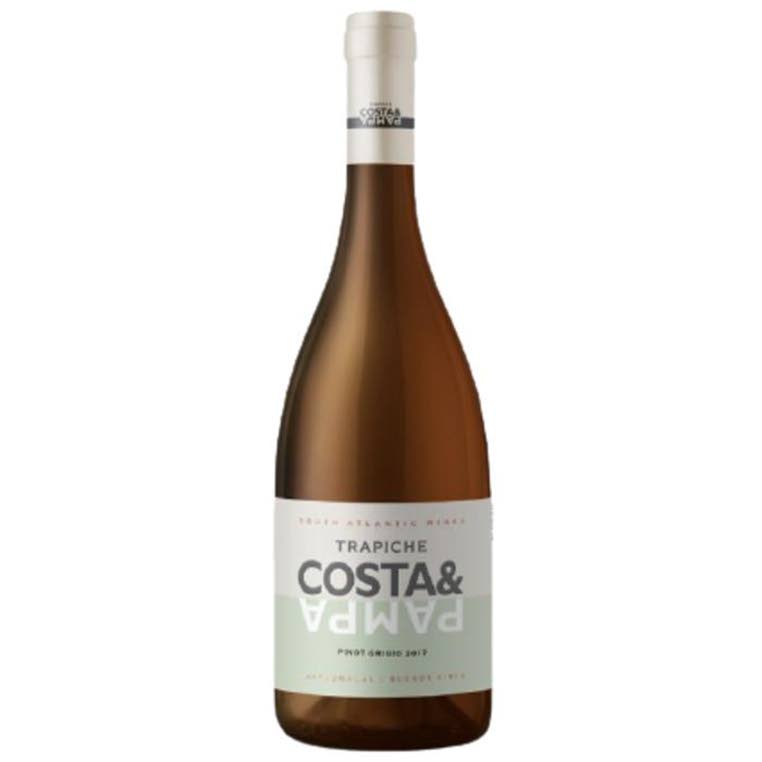
Trapiche Costa & Pampa Pinot Grigio (Photo by Trapiche Wines)
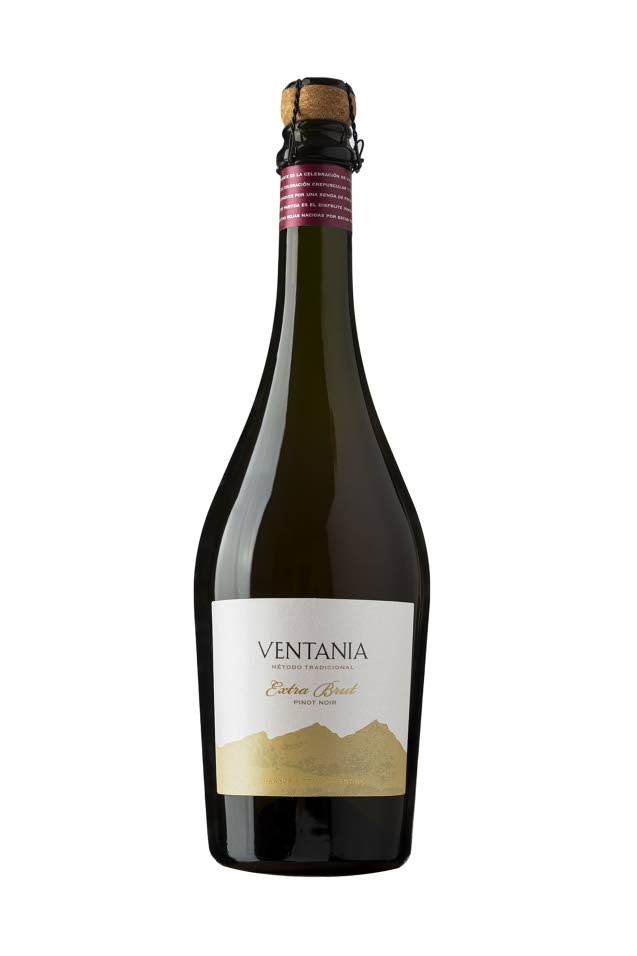
Ventania Espumoso Pinot Noir is an extra brut sparkling wine made from 100 per cent Pinot Noir, using the traditional method. (Photo by Bodega Saldungaray)
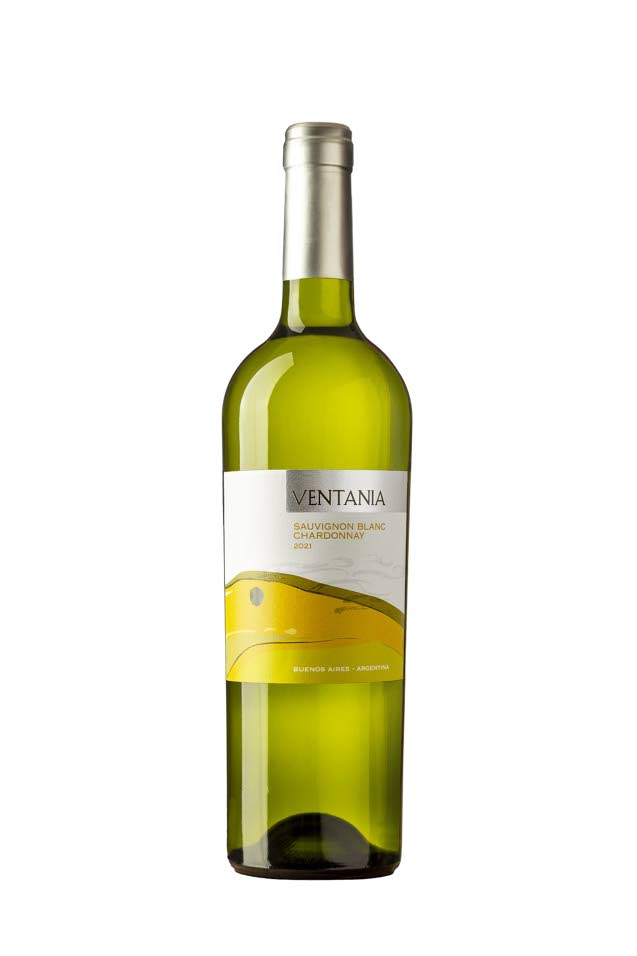
Ventania Sauvignon Blanc Chardonnay is a bivarietal with a lot of personality, citrus and floral, with good acidity. (Photo by Bodega Saldungaray)


