



Hip Strip development will fall under NaRRA, says TEF head
MONTEGO BAY, St James — Executive director of the Tourism Enhancement Fund (TEF) Dr Carey Wallace has indicated that planned rehabilitation of the famed Hip Strip (Jimmy Cliff Boulevard) in Montego Bay could be placed under the Government’s new vehicle for post-Hurricane Melissa development, the National Reconstruction and Resilience Authority (NaRRA).
During an interview with the Jamaica Observer on Tuesday, Wallace explained that the long-awaited project could be included under NaRRA because the Hip Strip falls within a wider area for which there are major redevelopment plans.
“I think the Bottom Road and the corridor from the port in Montego Bay, passing along the Hip Strip all the way towards Trelawny and so on, there are some huge plans under the NaRRA programme for that,” said Wallace.
“We are in discussions to ensure that there is collaboration; all the work that we would have done already, the design work, all the underground mapping, these types of things, would be used to facilitate the development,” Wallace added.
In 2021, TEF, through its Chairman Godfrey Dyer, announced that it would be spending approximately $1 billion to upgrade the Hip Strip, from Howard Cooke Boulevard to Kent Avenue.
This should improve the aesthetics of the popular tourist zone with plans including placing utility lines underground and putting in parking garages.
The project is now at the design stage and entities along the famed stretch of roadway have been consulted as things progressed.
During an interview on the sidelines of a TUI Care Foundation-hosted pep talk to representatives of small and medium-sized enterprises (SMEs) within the tourism sector, Wallace provided an update and the role that NaRRA will play.
“In the end, I am anticipating an even bigger result for Jamaica and Montego Bay,” he declared.
“I know they are trying to get NaRRA going and I think NaRRA will advance it significantly because that’s a vehicle that will advance capital projects like this much faster,” said Wallace hours before legislation to introduce NaRRA was passed in the House of Representatives.
The Hip Strip revitalisation project is among many delayed as the country rights itself in the wake of Hurricane Melissa but Wallace is looking forward to NaRRa pushing the project, and others, forward in a short time.
“With Melissa, we would have paid a lot of attention to first relief, then recovery of the sector and we’re still working at it as we speak,” he said.
“Some projects would be delayed slightly and in fact with the NaRRA coming on board, there are quite a lot of projects that are going to be advanced and probably expanded. I am optimistic that we’ll get quite a lot done within a few years,” he assured.
While Wallace was unable to provide an updated price tag, he believes the project will benefit from having the economic strength of the NaRRA bankroll behind it.
“With NaRRA, they are coming with their budget because their budget is for recovery and resilience and so, from my vantage point, I can see where it will be much more impactful,” he said.
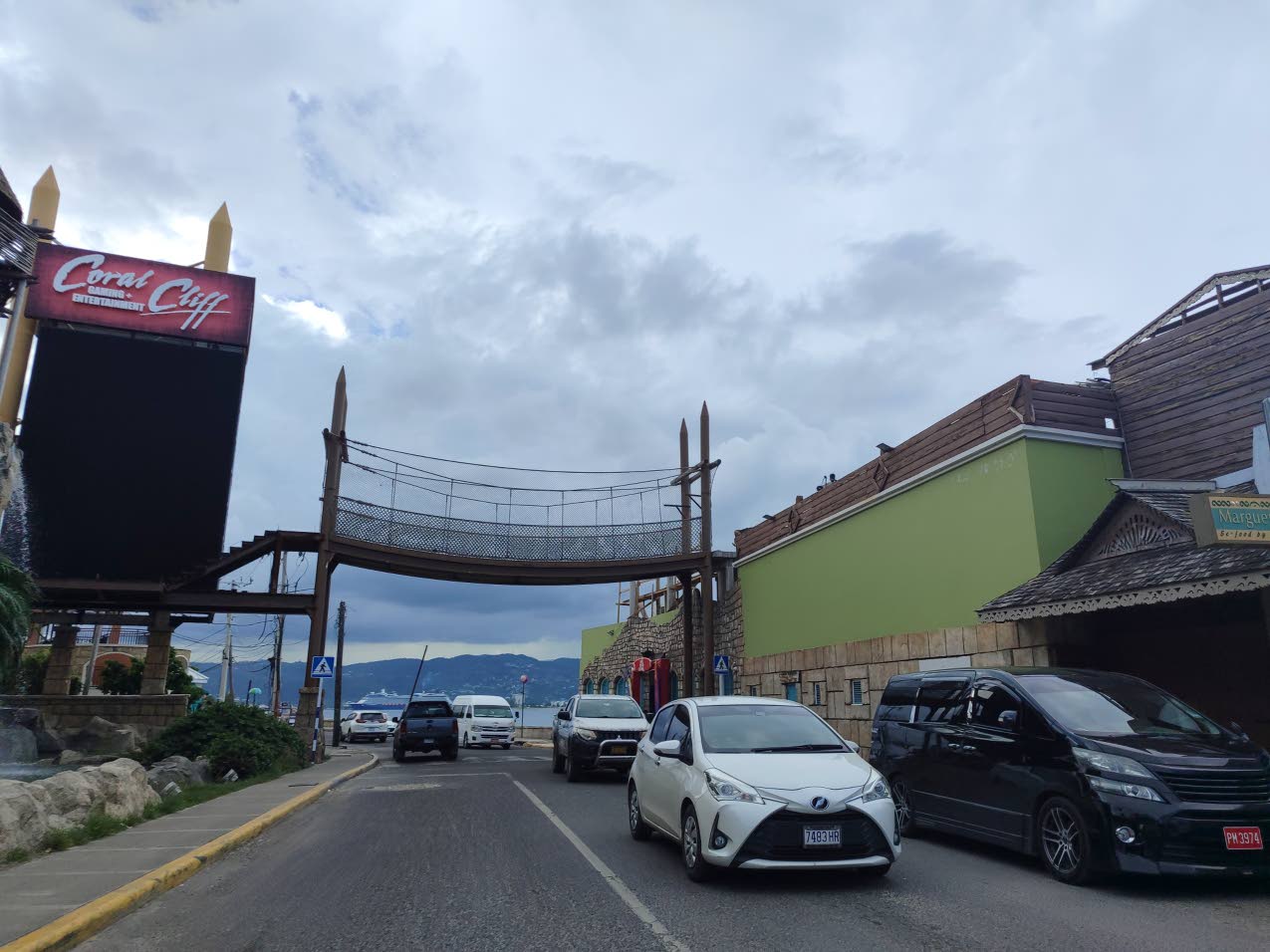
A section of Montego Bay’s Jimmy Boulevard, popularly known as the Hip Strip.


