



Supermarket Safety Blind Spots (Part 1)
When most people think about food safety, they picture kitchens, expired products, or improper cooking. Very few stop to consider the surfaces that food comes into contact with before it ever reaches their plate. Yet, these surfaces — known as food contact surfaces — play a critical role in determining whether food remains safe or becomes a vehicle for illness.
A food contact surface is any surface that food touches directly, or any surface from which food may drain, drip, or transfer onto another food-contact surface. This includes obvious items such as cutting boards, utensils, and equipment, but also extends to less obvious surfaces such as conveyor belts, storage areas, and even hands and gloves. In retail environments, where food is frequently handled, displayed, and transferred, the number of potential contact points increases significantly.
The concern is not just contact, but what happens on these surfaces over time. Microorganisms can attach to surfaces and persist, sometimes forming protective layers known as biofilms that make them difficult to remove. This means that even surfaces that appear clean may still harbour harmful bacteria. In such environments, food contact surfaces become silent vehicles of contamination, transferring microorganisms from one food to another without detection.
Why Food Contact Surfaces Are a Critical Food Safety Risk
Food contact surfaces are central to one of the most common causes of foodborne illness: Cross-contamination. This occurs when harmful microorganisms are transferred from one surface, object, or food to another. In retail environments, where multiple food types are handled in quick succession and often within the same space, the opportunity for cross-contamination is constant.
The effectiveness of cleaning and sanitising practices becomes critical in controlling this risk. Proper sanitation is not simply wiping a surface until it looks clean; it involves removing visible debris, followed by the application of a sanitiser capable of reducing microorganisms to safe levels. However, this process is often inconsistently applied. Organic matter can reduce the effectiveness of sanitisers, and poorly maintained surfaces can harbour bacteria in areas that are not easily reached during routine cleaning.
This gap between perceived cleanliness and actual sanitation is where risk thrives. Surfaces that look acceptable to the eye may still be actively contributing to contamination events, especially in high-traffic retail environments where cleaning frequency and thoroughness may vary.
Deli Slicers and Cutting Boards
Deli slicers and cutting boards are among the most heavily used pieces of equipment in retail food operations, often handling a wide range of products from raw meats to ready-to-eat foods such as cheeses and processed meats. Their frequent use, combined with the variety of foods they come into contact with, makes them particularly vulnerable to contamination.
Over time, cutting boards develop grooves and scratches that can trap food particles and moisture. These micro-environments provide ideal conditions for bacterial survival and growth. Similarly, deli slicers contain multiple components and crevices that are not always easily accessible during routine cleaning. When these surfaces are not properly disassembled and sanitised, residues can remain and contribute to cross-contamination.
The risk is further compounded when equipment is used sequentially for different food types without adequate cleaning in between. In such cases, microorganisms can easily transfer from one product to another, particularly from raw to ready-to-eat foods, which do not undergo further cooking.
Cheese and Deli Handling Areas
Cheese and deli counters are dynamic workspaces where food is constantly being handled, packaged, and served. While gloves are commonly used in these areas, they often create a false sense of security. Gloves can become contaminated just as easily as hands, especially when workers move between tasks such as handling food, touching equipment, and interacting with packaging or payment systems.
The continuous flow of activity in these areas increases the likelihood of contamination if proper hygiene practices are not strictly followed. Surfaces may be cleaned intermittently, but not always between different products or tasks. This creates opportunities for both microbial transfer and allergen cross-contact, particularly in environments where multiple food types are handled in proximity.
Effective control in these areas depends heavily on staff awareness and discipline, as well as clearly defined cleaning and handling protocols that are consistently applied throughout operations.
Produce Misting Systems and Display Surfaces
Produce misting systems are designed to maintain the freshness and visual appeal of fruits and vegetables. However, they also introduce moisture into the environment, which can support microbial survival and spread if not properly managed.
Water used in misting systems must be of potable or drinking quality, but even then, the system itself can become a source of contamination if not regularly cleaned and maintained. Over time, biofilms can develop within nozzles and piping, allowing bacteria to persist and be distributed across multiple products during misting cycles.
Additionally, the constant presence of moisture on produce display surfaces creates favourable conditions for microbial growth. Given that many fruits and vegetables are consumed raw, without a cooking step to eliminate pathogens, any contamination introduced at this stage can directly impact consumer health.
Join Thursday Food next week for more supermarket blind spots that every shopper should know.
About the Author
Allison Richards is a food safety communicator, certified trainer and the founder of The Food Safety Girl, a consumer awareness platform promoting food safety in Jamaica and the Caribbean. She is the Caribbean Chapter Director for Women in Food Safety (WIFS) and host of The Big Bite Food Safety Show. With over 14 years of experience in food safety regulation, she is committed to public education and consumer empowerment. Through public education initiatives, including free community webinars, she continues to create space for learning, dialogue, and practical food safety awareness.
Allison Richards | thefoodsafetygirlja@gmail.com
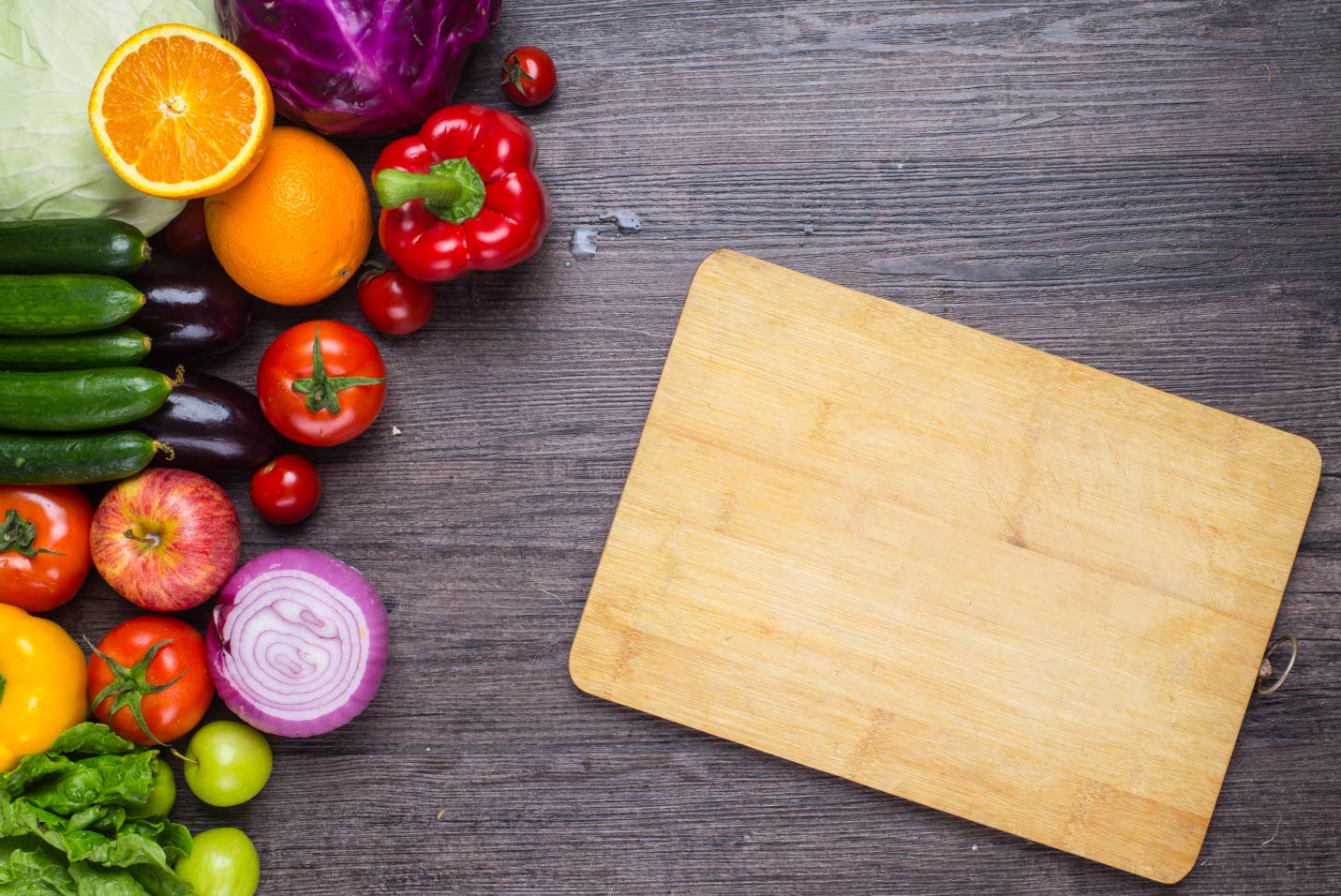
Cutting boards eventually develop scratches and grooves that trap food and moisture, creating a breeding ground for bacteria.
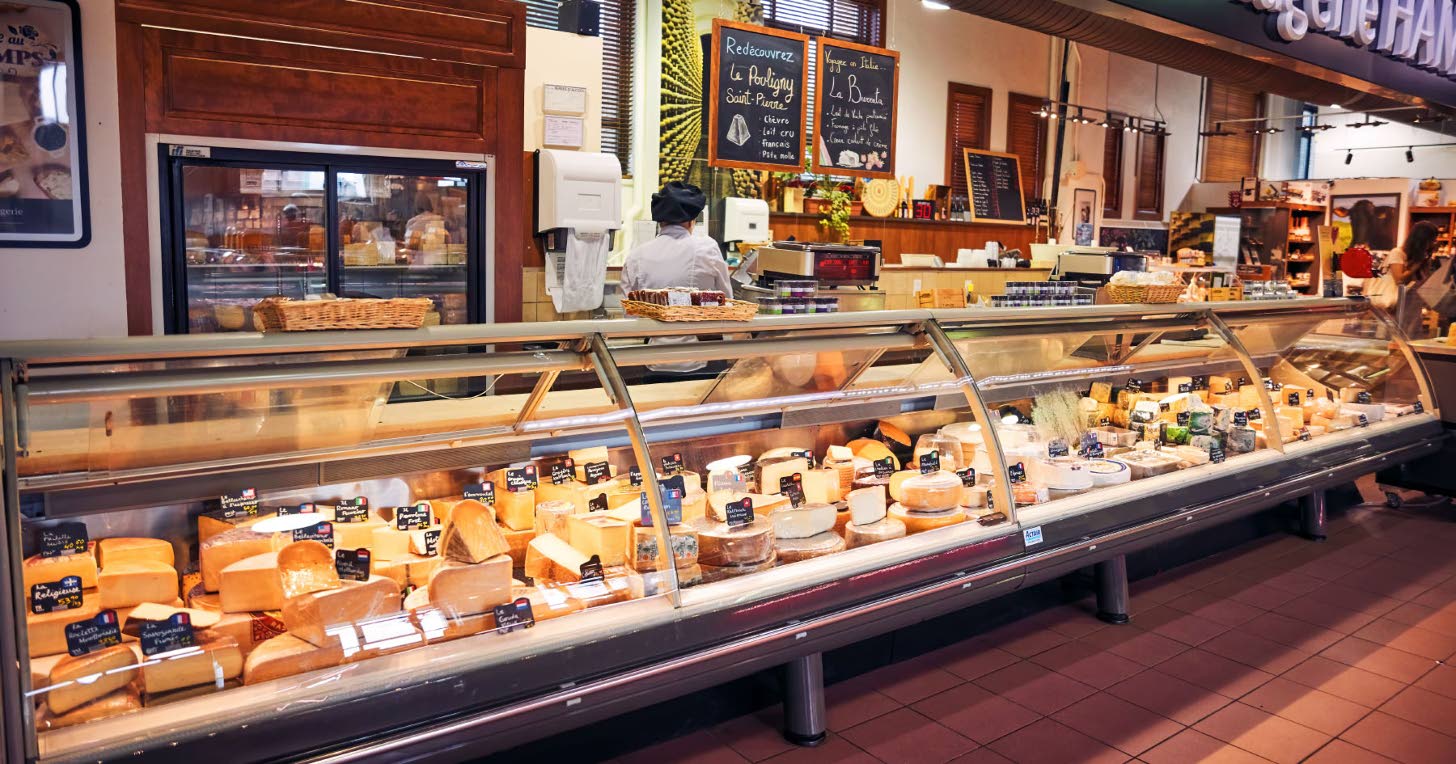
Busy cheese and deli counters risk contamination without strict hygiene. If surfaces aren’t cleaned between tasks, microbes and allergens easily spread across different food types.


