



Dr Michelle Walcott-Bremmer: Mother, doctor, wife and quiet force in Caribbean health care
THERE is a certain kind of strength that mothers carry: the kind that shows up quietly, consistently, and often without applause. It is the strength to care, to keep going, to make difficult decisions, and to hold space for others even when life is demanding. For many women in health care, that strength becomes part of their everyday work.
This Mother’s Day season, Dr Michelle Walcott-Bremmer is one of the women worth celebrating.
A consultant radiologist and cancer imaging specialist, Dr Walcott-Bremmer works in one of the most important but often least visible areas of medicine. While many patients may never spend much time with the radiologist reading their scan, that specialist can play a life-changing role in what happens next.
Her work helps answer some of the hardest questions families face. Is something there? Has it changed? What should happen next?
For patients waiting on results, those questions can be frightening. For doctors deciding on treatment, the answers matter deeply. And for a mother, a daughter, a sister, or a family member sitting in uncertainty, the clarity that comes through accurate imaging can mean everything.
That is where Dr Walcott-Bremmer’s work stands out; not only because of her expertise, but because of the care behind it.
Cancer imaging is highly technical, but it is never just about the image. Behind every scan is a person. Behind every report is a family hoping for good news, preparing for difficult news, or searching for the next step. Dr Walcott-Bremmer’s role is rooted in precision, and also in responsibility.
As a Caribbean woman in medicine, she also represents something powerful: the growing presence of women leading in specialist fields and shaping the standard of care in the region.
Her journey speaks to discipline, sacrifice and purpose, qualities many mothers know well.
Motherhood and medicine may look different on the surface, but they share a similar heartbeat. Both require patience. Both require compassion. Both ask a woman to give of herself in ways that are not always seen. And both remind us that care is not just an action; it is a calling.
This is especially important when we speak about women’s health. Too many mothers spend years putting everyone else first; children, partners, parents, work, home all while their own health waits at the bottom of the list. Dr Walcott-Bremmer’s work is a quiet reminder that women deserve care too. Screenings matter. Early detection matters. Paying attention to your body matters.
For Mother’s Day, her story is not only about celebrating achievement. It is also about honouring the women in health care who help other women live longer, healthier lives, the women who review the scans, ask the careful questions, guide the next step, and contribute to healing in ways patients may not always see.
Dr Michelle Walcott-Bremmer is one of those women. She is part of a generation of Caribbean health-care professionals proving that excellence does not have to be distant. It is here. It is local. It is skilled, compassionate, and deeply committed to the people it serves.
And as we celebrate mothers, we also celebrate the women who make it possible for more mothers to return home, continue their stories, and be present for the families who love them.
That, too, is a form of love.
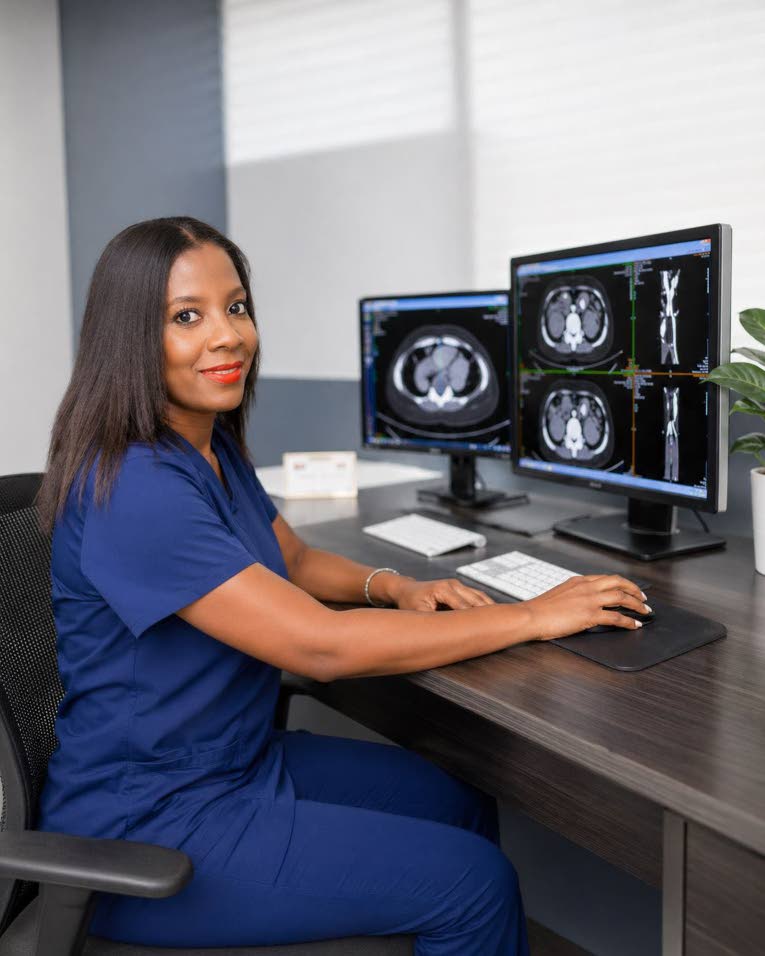
Dr Walcott-Bremmer’s role is rooted in precision, and also in responsibility.
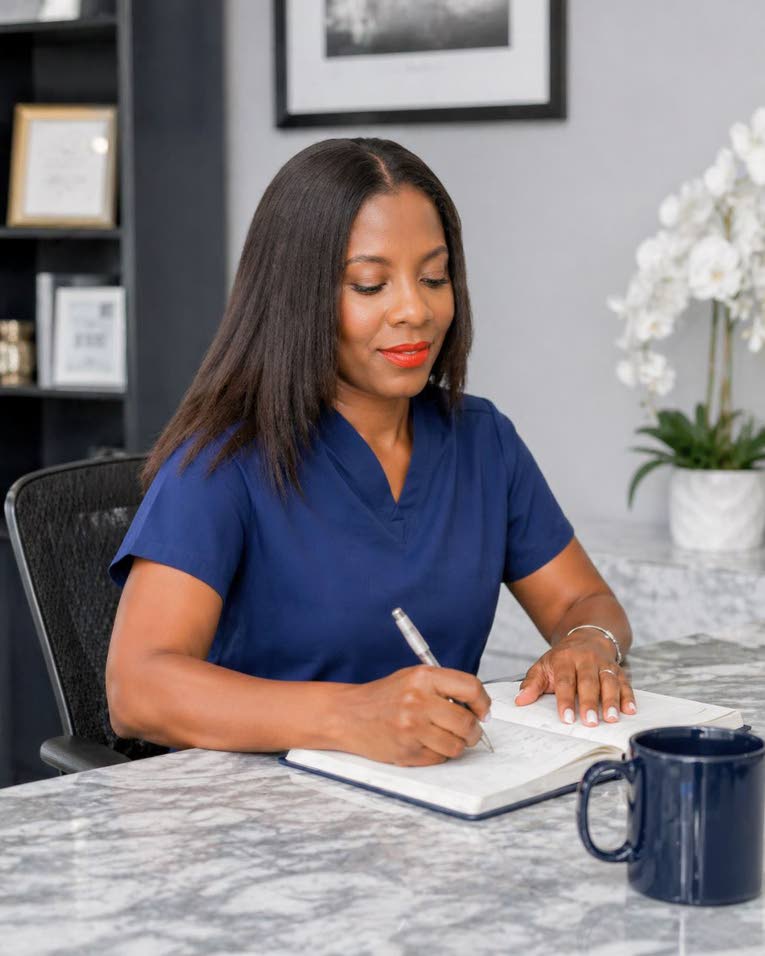
As a Caribbean woman in medicine, Dr Michelle Walcott-Bremmer represents something powerful: the growing presence of women leading in specialist fields and shaping the standard of care in the region.


