



HMH Farms invests in operations to support local food resilience
…egg production remains at centre of its mission
HMH Farms Limited has been making significant investments in its agricultural infrastructure as the company positions to play a greater role in strengthening the country’s food security and reducing dependence on imported food supplies.
The home-grown agri-business, led by Managing Director H’jort Henry, has over the last few years embarked on a phased multimillion-dollar investment programme aimed at expanding local egg production, improving operational efficiency, and building a more resilient domestic food supply chain.
At the heart of the company’s strategy is the belief that strong local agriculture is essential to national food security, particularly as global supply chains continue to face disruptions from inflation, shipping delays, foreign exchange pressures, and rising food costs.
“Food security starts with consistent local production. When local farms are strong and well structured, the country is better able to withstand external challenges while ensuring that affordable food remains available to consumers. As such, HMH Farms is positioning itself to contribute to Jamaica’s food security by increasing local egg production, improving supply reliability, and supporting a stronger domestic food supply chain,” Henry told the Jamaica Observer recently.
The company, which has been steadily expanding its production capacity, continues to invest in improved production systems, stronger farm management, enhanced customer relationships, and a more professional brand presence, according to its managing director.
“Infrastructure improvement has been one of the most important parts of our growth strategy. To this end, HMH Farms has been making millions in capital injection into the business as we push to strengthen production capacity and long-term resilience,” Henry said.
With egg production remaining the company’s primary business, HMH Farms now supplies households, bakeries, hotels, restaurants, wholesalers, and a growing number of food manufacturers across the island.
As the rich protein source also continues to rank high in consumption for Jamaican families, the company has also sought to invest heavily in modernising its production infrastructure to meet growing demand.
“Investment in this division has included improved poultry housing, expansion of commercial layer cage systems, water storage, feeding and drinking systems, egg-handling areas, and cold storage, backed by strengthened biosecurity measures,” Henry said.
He also pointed to the implementation of upgraded internal management systems to monitor production levels, feed usage, mortality rates, egg quality, and cost efficiency, among additional phases of the expansion drive.
Having designed its investment strategy to move beyond traditional farming into a more structured agricultural enterprise, Henry said the aim is to deliver consistent supply and commercial reliability.
“In agriculture, infrastructure is what allows a farm to move from survival mode into structured growth. This investment for us is, therefore, not simply about expansion — it is about building a foundation for long-term production stability and operational discipline,” he said.
Beyond production, HMH Farms is also using its distribution model to support broader economic participation within the agricultural sector. The company currently works with small resellers and community distributors who purchase eggs in bulk and resell them within their communities, creating additional income opportunities while improving access to locally produced food.
The Bushy Park, St Catherine-based farm, in seeking to further strengthen the local agricultural ecosystem, has long remained active in supporting production and distribution at a high level. In addition to eggs, its wider operations include goat meat production, livestock genetics, as well as the packaging and processing of value-added food products.
Seeking to unlock new growth opportunities, Henry said the company remains focused on expanding capacity, improving storage and distribution systems, integrating renewable energy, and spearheading farmer education initiatives across the industry. It is also now advancing plans to develop a farmgate bulk egg hub where approved resellers can directly access products for redistribution.
Calling for greater collaboration in building Jamaica’s agricultural industry, Henry said the sector will require businesses capable of meeting commercial standards, supporting local supply chains, creating jobs, and being able to meaningfully contribute to national development.
“We believe the future of agriculture in Jamaica belongs to businesses that are disciplined, innovative, and committed to local production, and HMH Farms is positioning itself to be part of that future. Our approach has been to invest in phases so that the business can grow responsibly while maintaining operational stability,” he said.

HENRY…HMH Farms is positioning itself to contribute to Jamaica’s food security by increasing local egg production, improving supply reliability, and supporting a stronger domestic food supply chain.
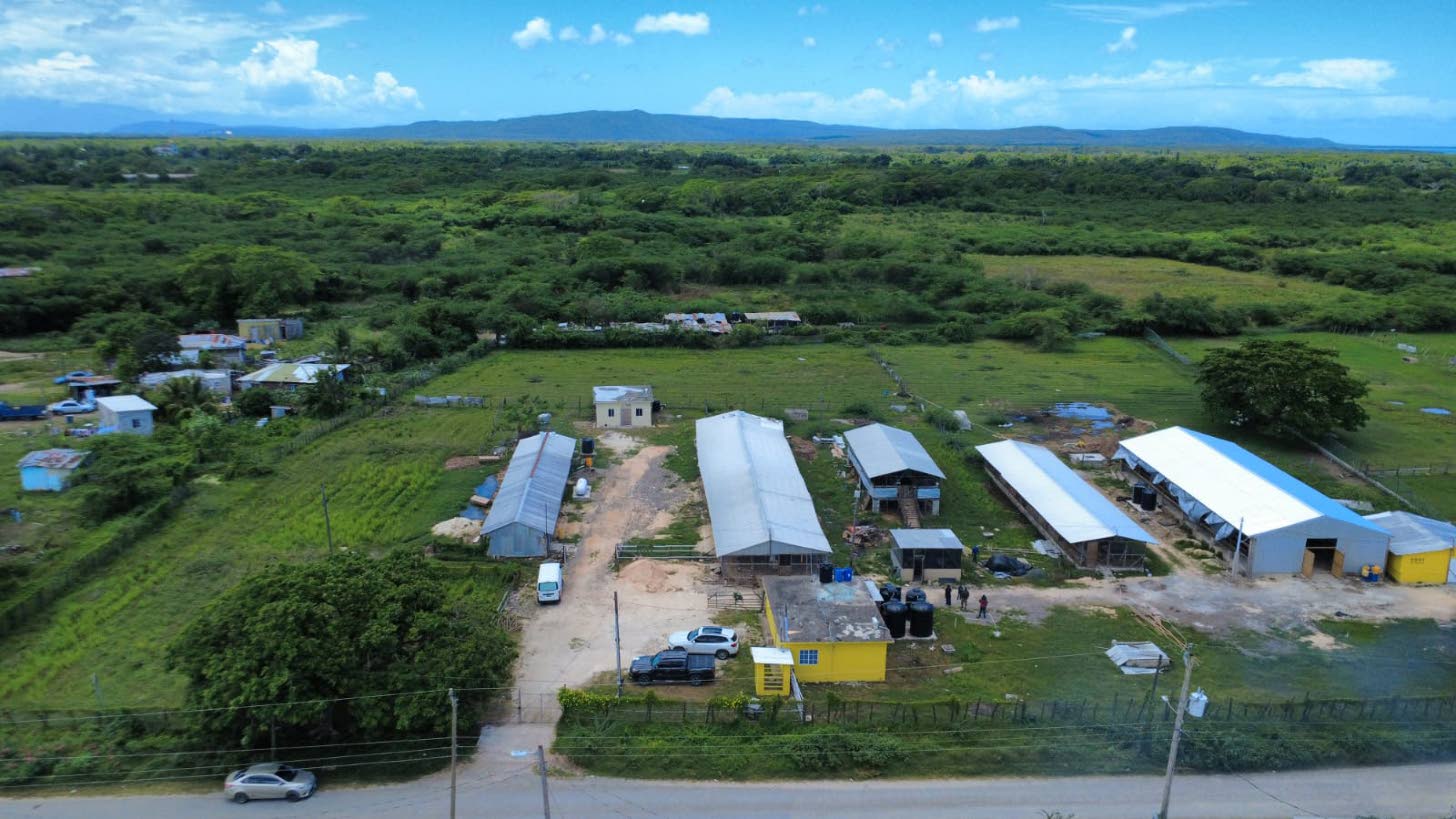
A view of HMH Farms located in Bushy Park, St Catherine
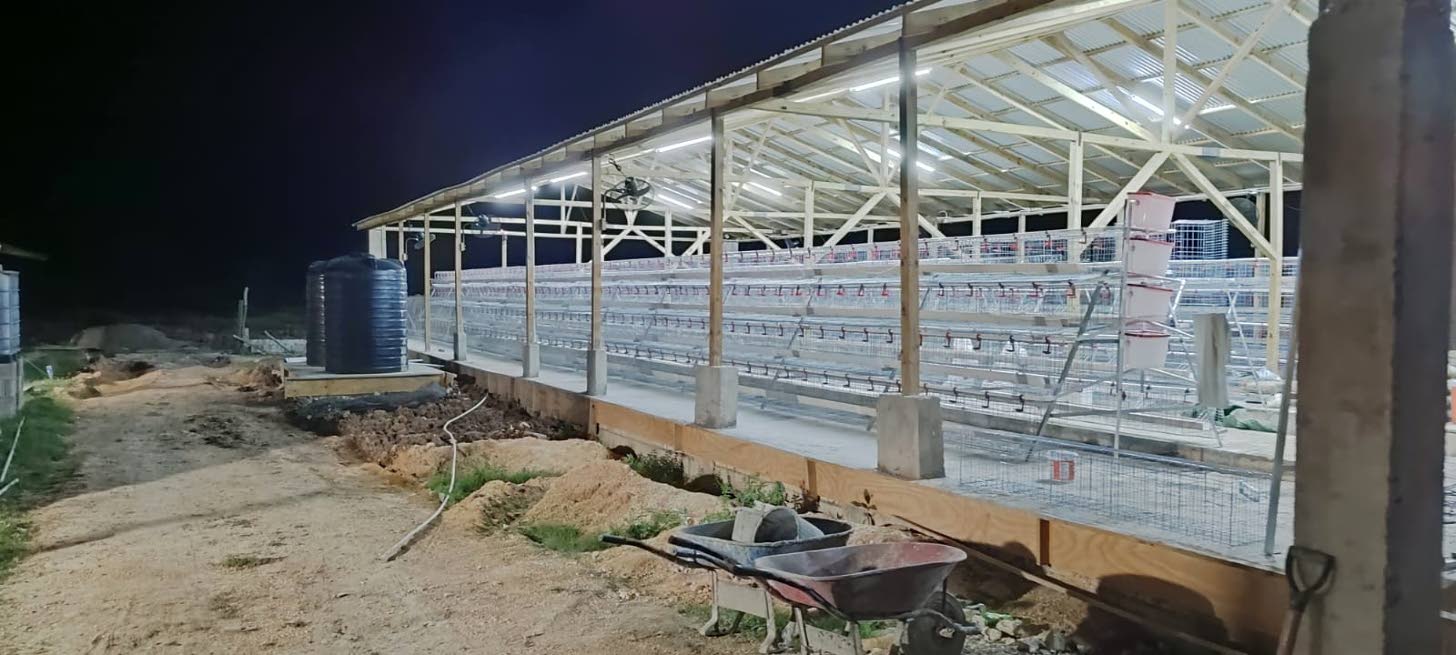
A coop being upgraded to house more layers at HMH Farms. The company has, over the last few years, embarked on a phased multi-million-dollar investment programme aimed at expanding local egg production, improving operational efficiency, and building a more resilient domestic food supply chain.


