



The price of a smile
FOR many Jamaicans, a healthy smile comes at a steep cost. Oral health is not just cosmetic; it is essential for eating, speaking, and overall well-being. Yet across Jamaica and the Caribbean, thousands struggle to maintain consistent dental care because of affordability and access.
Poor oral health is more than cavities or gum disease. It can contribute to systemic conditions such as heart disease and diabetes, while untreated problems often lead to pain, infection and reduced quality of life. Still, dental care remains out of reach for many. Unlike countries with universal dental insurance, most Caribbean nations rely heavily on out-of-pocket payments. Nearly two-thirds of Jamaicans report having no coverage, forcing families to delay or forgo treatment until urgent needs arise. (Ministry of Health & Wellness, Jamaica, 2023)
The burden of oral disease
Recent national surveys show that 30.1 per cent of Jamaicans aged five and older have untreated cavities, 22.7 per cent of those aged 15 and older suffer from severe gum disease, and 7.7 per cent of adults aged 20 and older live with complete tooth loss (Jamaica Oral Health Survey, 2018). Among children aged one to nine, nearly half have untreated cavities in their baby teeth.
These figures underscore how oral disease is not only widespread but also deeply entrenched in vulnerable groups. Tooth decay and gum disease affect nutrition, school performance, and employability, creating ripple effects across families and communities. In rural parishes, where access to care is limited, untreated oral conditions often progress to advanced stages, leading to costly extractions and permanent tooth loss. Caribbean-wide studies echo this reality, showing that oral health problems are among the most common chronic conditions, yet they receive far less policy attention than other non-communicable diseases (Pan American Health Organization, 2022).
The burden of disease therefore extends beyond the mouth. It touches education, productivity, and quality of life, making oral health not just a medical issue but a social and economic one.
Barriers to care
The expense of dental care is one of the largest obstacles. Globally, costs have risen sharply in the United States by nearly 30 per cent over recent decades and the Caribbean has not been spared. Retirees, students, and low-income households are disproportionately affected, often waiting until pain becomes unbearable before seeking help.
Location and transportation compound the problem. Studies show that inadequate transport reduces clinic attendance by almost 30 per cent (Pan American Health Organization, 2022). Those living closer to urban centers are more likely to access care, while rural and underserved communities face long journeys and higher costs, leaving them at greater risk of worsening conditions.
Structural challenges
High patient-to-operator ratios mean that preventive care such as cleanings, oral health education, and routine check-ups often gets overshadowed by urgent treatment needs. Instead of focusing on early intervention, the focus is often shifted to conditions that have already progressed to advanced stages.
Globally, similar challenges exist. In Uganda, the patient to provider ratio is reported at 1:158,000, while rural Canada reports months-long waits for appointments. In the Caribbean the situation is comparable, with limited resources stretched thin across growing populations. The result is a system where preventive care is undervalued and missed opportunities to stop disease before it starts, to empower patients with knowledge, and to make oral health a routine part of life rather than a crisis response.
The socio-economic divide
Income and education strongly influence oral health outcomes. Adults with lower education levels are significantly more likely to have untreated oral conditions compared to those with some college education (Centers for Disease Control and Prevention, 2020). Stable jobs often provide insurance benefits, while unemployment leaves many unable to afford treatment.
Low-income households are more likely to delay routine check-ups, allowing gum disease and other oral health problems to worsen over time. Similar inequities are seen across the Caribbean, where poverty and limited awareness of preventive care deepen the divide. These disparities show that oral health is not only about personal responsibility but also about broader social and economic inequalities. Without targeted interventions, the cycle of delayed care and worsening oral disease will continue to place the greatest burden on those least able to afford it.
The future of oral health in Jamaica and the wider Caribbean depends on more than individual effort; it requires systemic investment. Greater funding and support for clinics that serve the underserved and vulnerable will be essential to ease backlogs and expand preventive care. Outreach programmes, mobile units, and community education can help bridge the gap for families who often face barriers until their oral health reaches a crisis point. Policymakers must recognise that the price of a smile should not be measured in financial strain or social inequity, but in the dignity and well-being of every person. The truth is, a smile is necessary and the price should never be too much for anyone to pay.
Teka Linguard is a lecturer at the Colleges of Oral Health Science at the University of Technology, Jamaica.
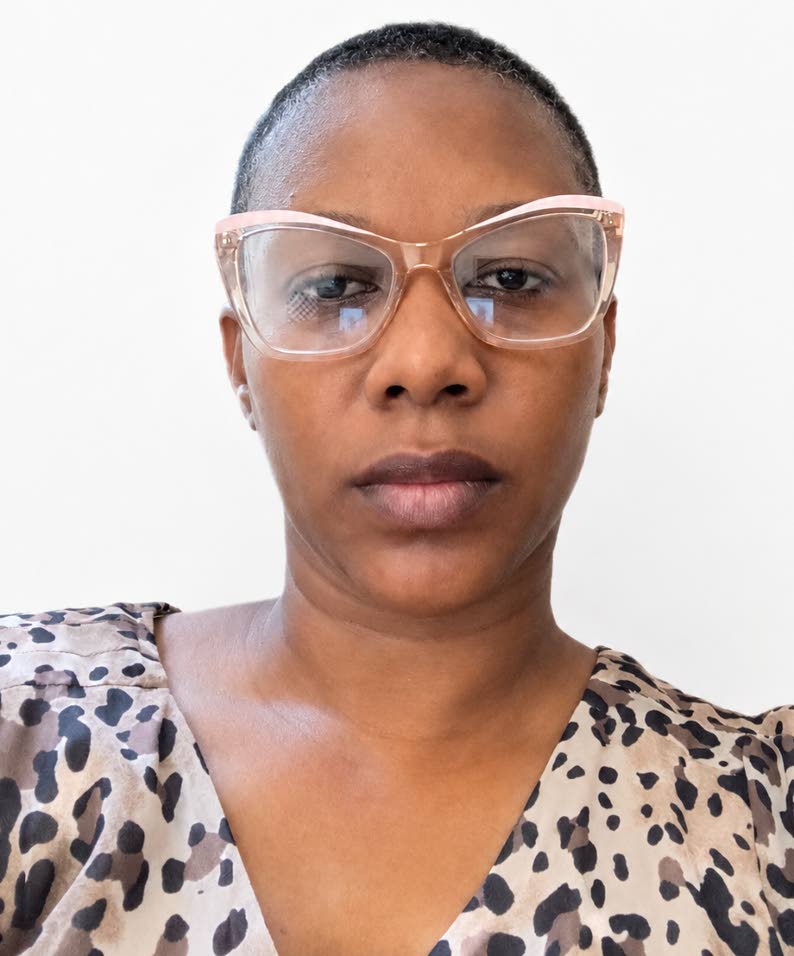
Teka Linguard.


