



Data tool J-SRAT, flagged disaster zones before Melissa hit
BEFORE Hurricane Melissa hit the island, Jamaica’s Systemic Risk Assessment Tool (J-SRAT) had already flagged Savanna-la-Mar, Westmoreland, as a major climate-risk hotspot. It was one of two areas selected for pilot analysis, the other being Hunts Bay in St Andrew, both identified among the most vulnerable communities nationwide.
“The Green Climate Fund used data from the J-SRAT to pinpoint seven climate-risk hotspots across Jamaica. Two were chosen for detailed pilot studies, including Savanna-la-Mar in Westmoreland and Hunt’s Bay in St Andrew,” explained Patrine Cole, geographic information systems analyst at the Planning Institute of Jamaica (PIOJ), during day one of the Caribbean Sustainable Infrastructure Conference.
Both areas were used to demonstrate how resilience can be achieved through integrated strategies that combine engineering and nature-based solutions. In Savanna-la-Mar, 14 different projects were implemented under the “Living with Water” approach, using a mix of interventions to show how flooding could be reduced. Cole explained that systemic resilience requires understanding that Jamaica’s energy, water, and transport systems do not operate in isolation but are deeply interconnected, meaning a disruption in one can easily cascade into another.
“These interdependencies mean that resilience can no longer be addressed on a project-by-project basis but require a systems approach, and there is an urgent need to integrate risk data in national planning,” she warned.
Prior to the hurricane, Jamaica’s infrastructure was valued at over US$40 billion and remained constantly at risk, as the country’s two major cities, Kingston and Montego Bay, are coastal. Ten of the 14 parish capitals are also located along the coast, including Black River in St Elizabeth, which was destroyed by Hurricane Melissa. At COP26 Prime Minister Andrew Holness warned that a single disaster could set back a small island for years. In the wake of Hurricane Melissa, experts now estimate that Jamaica could be set back by five to 10 years, a projection Cole described as an “optimistic estimate”.
“Between 1999 and 2024, the impact of extreme weather events in Jamaica exceeded $190 billion. During that period the average annual cost of disasters was estimated at 1.3 per cent of GDP [gross domestic product],” she said. “And we know that with Hurricane Melissa the estimates will exceed what we had expended in 25 years.”
The next step for J-SRAT is to institutionalise the tool within Jamaica’s investment system, specifically within the Public Investment Appraisal System. Once integrated, it will guide hazard and vulnerability assessments from the early concept stage through to appraisal, helping to ensure that new projects deliver risk-adjusted returns and are properly aligned with national financing priorities. The Development Bank of Jamaica (DBJ) will also be using the J-SRAT in its public-private partnership due diligence process to help identify climate-vulnerable projects early. This will enable the bank to flag vulnerable initiatives and apply de-risking strategies to strengthen investor confidence and support climate finance and investment decisions through data-driven analysis. For J-SRAT to be incorporated into the system seamlessly, however, Cole urged that data must be shared between the private and public sectors. She explained that even where high-quality data exists within the private sector, issues surrounding licensing and confidentiality have impacted the ability to fully roll out J-SRAT to date, requiring the signing of memoranda and data-sharing agreements and strict adherence to those agreements. Moving forward, Cole said the focus is on developing more inter-agency agreements and open data frameworks to ensure that resilience planning is both comprehensive and timely. Capacity-building at multiple levels will also be required to ensure that technical users understand how to use the system, interpret the results, and embed the findings into the planning and investment process. Decision-makers will likewise need the capacity to apply J-SRAT’s results in policy and financing decisions. However, this will require continuous training to preserve institutional memory and prevent the tool from becoming obsolete.
“Sustaining relevance means that we have to treat the tool as a living platform,” Cole stressed. “It means it has to be regularly updated, it has to be user-driven, and it has to be aligned with new data sets and methodologies.”
With training programmes and creative partnerships, J-SRAT can remain central to Jamaica’s resilience-building and investment planning agenda. The core objective of J-SRAT is to provide evidence-based analysis to manage systemic risk and support the development of infrastructure that not only withstands shocks but also sustains economic growth in the face of disasters. The tool assesses single assets or pieces of infrastructure, such as bridges or power plants, and analyses their interdependencies to reveal systemic risks. It also integrates climate risk into infrastructure planning and quantifies potential exposure and economic losses.
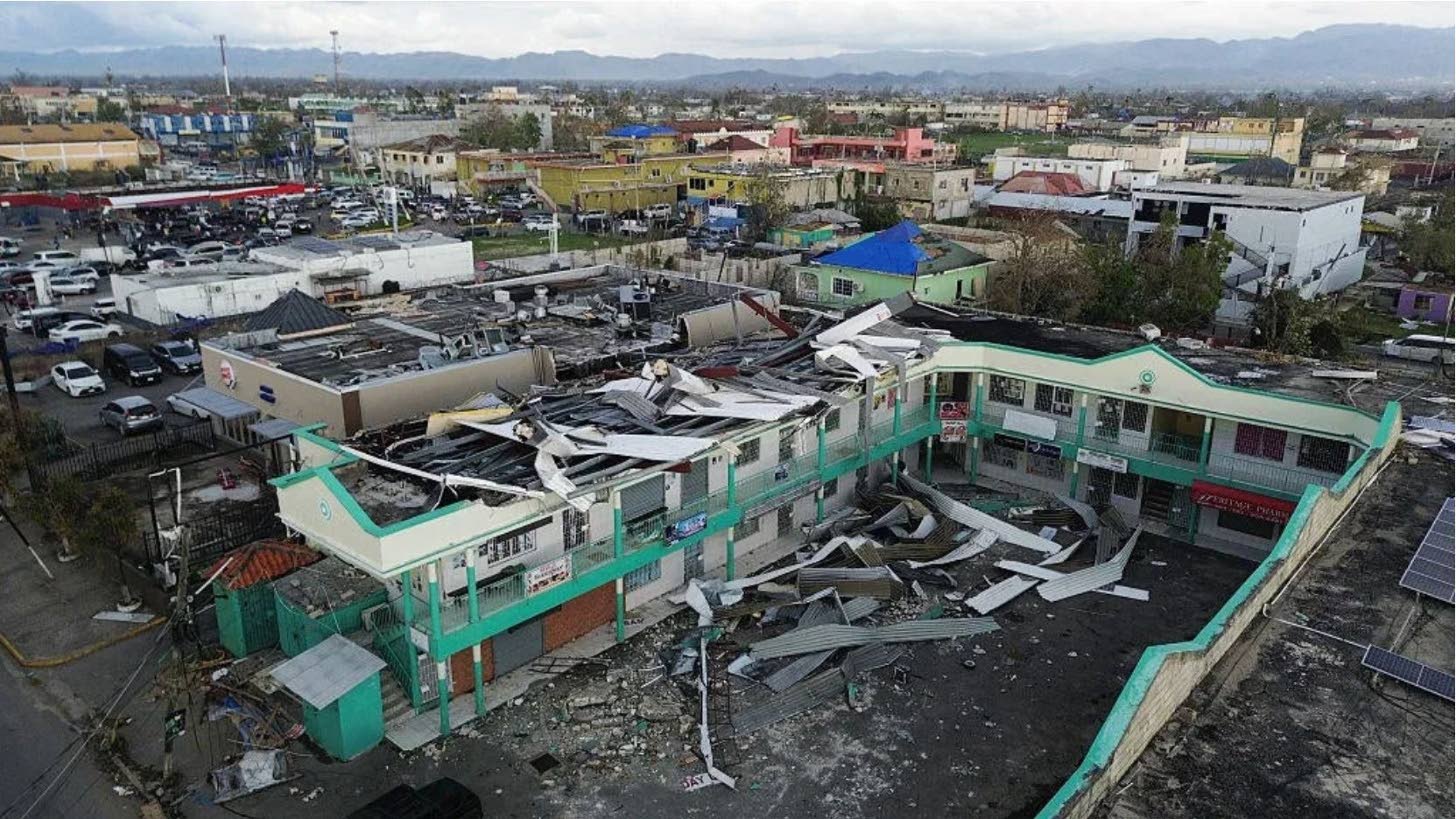
An aerial view shows damaged buildings in the aftermath of Hurricane Melissa in Savanna-la-Mar, Westmoreland, Jamaica, on Oct. 31, 2025.

Patrine Cole, geographic information systems analyst at the Planning Institute of Jamaica .


