



This is not the time for timid Government
As I have said in this space recently, Hurricane Melissa has given the Dr Andrew Holness Administration great opportunities to reset a number of things that must be considered priorities at this time.
The hurricane has been instrumental in highlighting a number of things that we have taken for granted, ignored, or played political chess games with over the years. There is a great deal of work to be done, not only in the rebuilding process but in availing ourselves of the opportunities we have been given to make bold decisions and set things right. The point is that we will have to seize the moment. Any adroit political Administration would see the need to do so, notwithstanding the prickly relationships it may have had with people prior to this and other recent disasters.
Where it once had to be timid and appear to be walking on egg shells because of political niceties and a compelling urge to satisfy certain constituents and interests, it must now be bold and brave to do what is considered to be in the best interest of the Jamaican people. Here one is not urging dictatorial behaviour and a my-way-or-the-highway attitude, because this kind of political decision-making must have no room in Jamaican governance. We have seen the evil consequences of such thinking in the past. But what I am urging is that the Government seizes the opportunity that has been provided by the hurricane to think outside the box to indulge bold strategies for transformation and reject lethargic approaches to well-worn problems in our national life.
We certainly do not wish for another opportunity to learn the lessons that we must now learn and implement policies to correct the errors of the past. These lessons are too expensive, and as we are seeing from Melissa, too tragic and destructive. So now is the time to take charge, seek advice, and utilise the talents from the pool of human resources we have in the country to coordinate efforts to ensure that the next disaster will find us in a better place because of work done.
Obviously, we cannot do everything all at once. There are some things that will take time to think through and implement, but the big-ticket items must be addressed forthwith. I can think of three at this point. The first that stands out in my mind is reform of governmental bureaucracy, of which this column has taken note in the past. We have seen this bureaucratic humbug in the ongoing inefficiencies in the present response to the rebuilding effort. We have seen it in the logistical nightmare at the ports where, perhaps understandably, we seem to have been overwhelmed by the extent of the outpouring of the generosity into the island.
The generosity has been immense, but we are seeing that our infrastructure for receiving and distributing that largesse has not been up to the task. Neither has there been efficient coordination of effort among government ministries and departments to ensure more seamless distribution of the help we are receiving. A great deal of this has to do with how we have done business in the past and the extent to which we have allowed bureaucratic decision-making to stymie commonsensical approaches to clearly solvable problems. Those at the centre of reform must seize the moment and be bold in overhauling what needs to be done by legislation when necessary and by the sheer weight of will and determination when this is lacking.
If there is ever a time when we need radical reform of our bureaucratic processes — in terms of decision-making and procurement guidelines, the relationship between government departments and what I would still describe as a moribund civil service apparatus, and the timely execution of government policies which prevent overlap and inefficiency — it is now. I suspect that Audrey Marks, minister without portfolio in the Office of the Prime Minister with responsibility for efficiency, innovation and digital transformation, has been working assiduously at her portfolio assignment and soon the country will have some indication of the fruits of her labour. I hinted some time ago in this space that she has her work cut out for her. I certainly was not prescient enough to have been thinking about Hurricane Melissa.
The second area of concern is the poor quality of our housing stock, especially in rural areas. On a wider basis, the hurricane has exposed the urgent need to step up access to housing solutions for our people. In my last piece I spoke to the need to explore the use of bauxite land in coming up with solutions. I referred to the Ministry of Agriculture, Fisheries and Mining as being integral to this concern. To facilitate a joined-up effort, newly appointed minister without portfolio with responsibility for economic growth and infrastructure development, in charge of land titling and settlements, Robert “Bobby” Montague must be at the table in a meaningful way.
There are developers, especially in the Diaspora, who would be willing to participate in housing solutions if reasonably priced land could be made available to them. There are thousands of acres of such land lying idle throughout Jamaica. Some are owned by absentee landowners; others by churches, which have never been proactive in helping with the housing crisis; but most of these lands are owned by Government. So it is not land that is the problem. The problem is inertia and lethargy, which results in a mentality of poor or no decision-making. It is an absence of will.
Melissa has given us an opportunity to once again look more forcefully at the problem and come up with solutions. It is good to help people get titles for their land, but it is imperative that we become more robust in seeking out land, wherever it can be found, to provide housing for our people. Jawboning about it, without real solutions, is not the way to go. And let me remind, time is not on our side.
Then there is the matter of the expiring Jamaica Public Service (JPS) licence and the need for cost-efficient and reliable energy generation in the country. To be fair, JPS seems to have learnt some valuable lessons after Hurricane Beryl’s unwelcome visit to the island. It has been more proactive and appears to be seized of the need to restore electricity to affected areas as quickly as possible. By the way, why has light been restored to Hanbury Road in Mandeville and yet adjoining areas of East Ingleside and Moorish Mount do not have light? No doubt JPS’s determination to succeed this time around is fuelled, no pun intended, by the expiring contract that has to be looming over its head like the sword of Damocles.
Any financial help it needs in getting power restored to all affected must be worked out with the Government and the relevant financiers. The Government must not give an extension of the contract except that this is necessary for JPS to get the financing to finish the job. And there can be no carte blanche extension for any indefinite period. No Government will ever get a better opportunity than that which has been provided by Melissa to set the right parameters for efficient generation of electricity in Jamaica.
One hopes that a strong response to resetting certain paradigms and indulging bold initiatives that will begin the transformation of the country will be engaged. This is not a time for wavering or timidity. It is a time for consultation, coordination, and putting an end to the lethargic thinking that too often consumes bold decision-making.
Dr Raulston Nembhard is a priest, social commentator, and author of the books Finding Peace in the Midst of Life’s Storms; Your Self-esteem Guide to a Better Life; and Beyond Petulance: Republican Politics and the Future of America. He hosts a podcast — Mango Tree Dialogues — on his YouTube channel. Send comments to the Jamaica Observer or stead6655@aol.com.
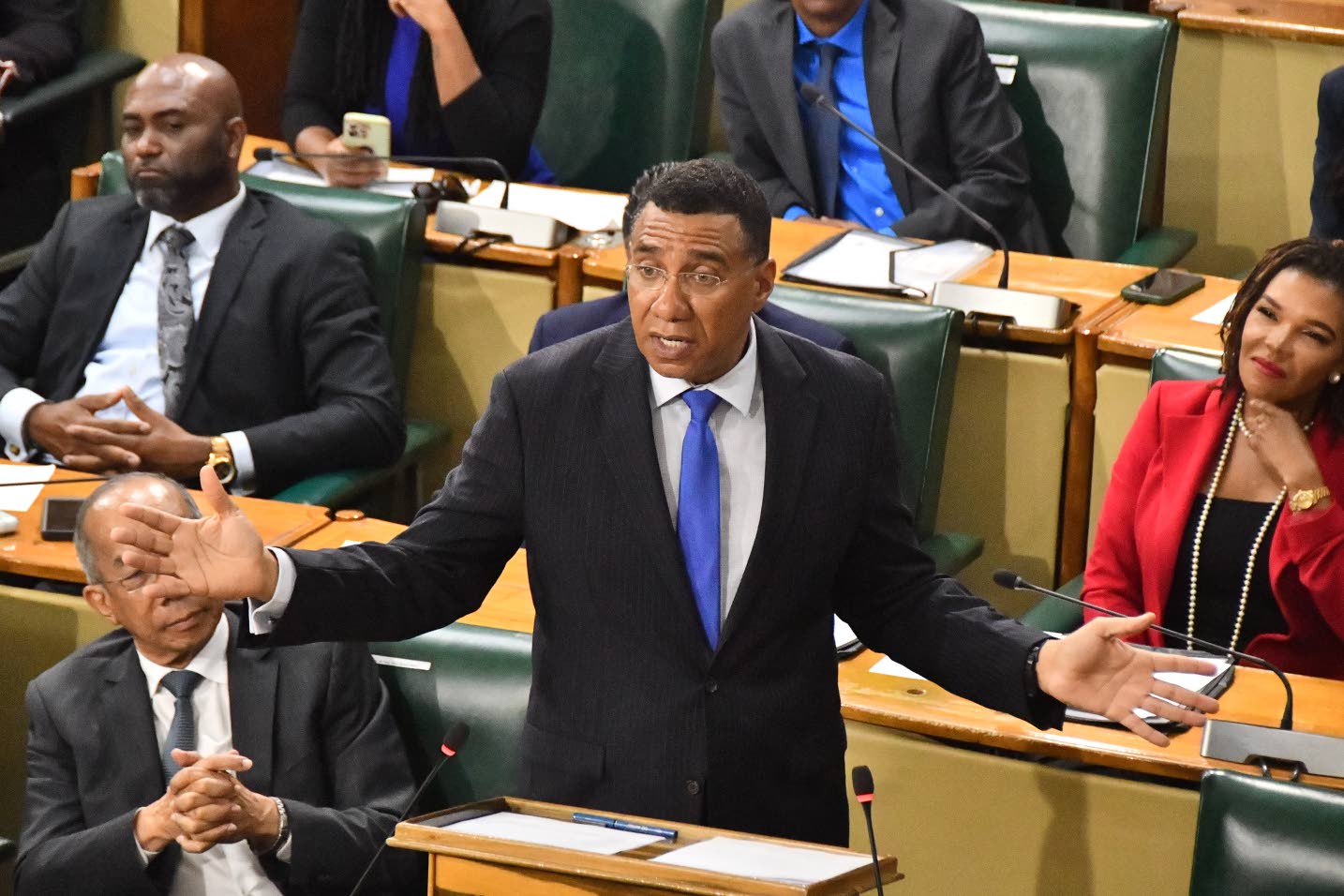
Dr Andrew Holness Photo: Naphtali Junior
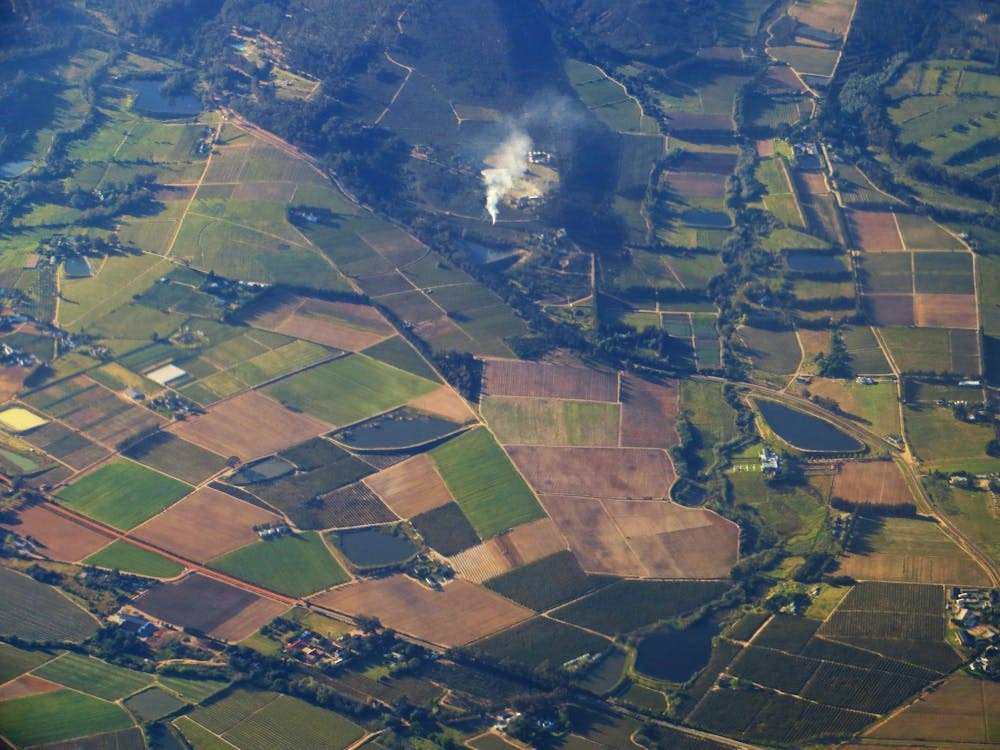
The Government needs to become more strategic in its efforts to identify land that can be used to provide housing for those who need it.l

Audrey MarksPhoto: JIS


