



How Long Is Too Long for Holiday Leftovers?
For many Caribbean households, Christmas does not end on December 25. The food lives on — ham still in the fridge, rice and peas reheated for the third time, a pot of soup waiting its turn, and containers stacked wherever space can be found. By New Year’s Day, leftovers have become part of the celebration.
But there is a fine line between enjoying festive leftovers and risking foodborne illness. In warm climates like ours, where high temperatures, crowded refrigerators, and frequent power fluctuations are common, food safety becomes even more critical.
So how long is too long? Which foods are still safe to eat? When should leftovers be thrown away? And what is the safest way to reheat or freeze holiday food?
Why Leftovers Are Riskier in the Caribbean
Food safety challenges increase significantly in tropical climates. Bacteria grow fastest in what food safety experts call the “danger zone” — between 5°C and 60°C. In the Caribbean, ambient temperatures often sit comfortably within that range.
During the holidays, several factors raise the risk even further. Kitchens are busy and crowded, food is cooked in large quantities, refrigerators are overfilled, food is left out longer during socialising, and leftovers are reheated multiple times. When refrigeration is limited, and food is handled repeatedly, the opportunity for bacteria to multiply increases — even when food still looks and smells fine.
Which Christmas Foods Are Usually Safe After a Few Days?
Not all leftovers carry the same level of risk. Understanding which foods last longer and which spoil faster can help reduce illness.
Cooked ham and roasted meats generally keep better when refrigerated promptly and stored in sealed containers. Dry baked goods such as fruitcake and sweet bread also tend to last longer because they contain less moisture, which bacteria need to grow. Even so, these foods should not be kept indefinitely and must be stored properly.
Foods that require greater caution include cooked rice and peas, soups and stews, gravies, seafood dishes, cooked chicken, and salads containing mayonnaise. These foods provide ideal conditions for bacterial growth if cooling, storage, or reheating is inadequate. Rice, in particular, is a known risk because it can contain spores that survive cooking and multiply rapidly if rice is cooled too slowly or reheated improperly.
The Biggest Mistake: “It Still Smells Fine”
One of the most dangerous myths around leftovers is relying on smell or taste to judge safety. Many foodborne pathogens do not change the smell, taste, or appearance of food.
Food can look perfectly fine and still cause vomiting, diarrhoea, fever, or dehydration. This risk is higher for children, the elderly, pregnant women, and individuals with weakened immune systems. Tasting food “just to check” can be enough to cause illness.
When to Throw Away Leftovers (No Negotiation)
Leftovers should not be treated as an unlimited resource. Food that has been refrigerated for more than three to four days should be discarded. Food left out at room temperature for more than two hours — or one hour in very hot weather — should not be eaten.
If there has been a power outage, the refrigerator was overcrowded and unable to maintain a cold temperature, or no one can remember when the food was cooked, the safest option is to discard it. Keeping food “just in case” increases the likelihood of foodborne illness.
Crowded Refrigerators: A Holiday Hazard
During Christmas and New Year’s refrigerators are often packed with pots, trays, and containers. While this may seem efficient, overcrowding prevents proper air circulation and leads to uneven cooling.
In warm climates, frequent opening of the refrigerator door further raises internal temperatures. Food stored near the door or on upper shelves may not remain cold enough, even though it appears refrigerated. Overcrowding also increases the risk of cross-contamination between raw and cooked foods.
Transferring leftovers into shallow containers and removing expired items can significantly improve refrigeration effectiveness during the holiday period.
Reheating Leftovers Safely
Reheating does not make unsafe food safe again, but correct reheating can reduce risk when food has been stored properly. Leftovers should be reheated until they are steaming hot throughout. Soups and gravies should be brought to a rolling boil, and food should be stirred during reheating to eliminate cold spots. Only the portion that will be eaten should be reheated. Reheating the same food multiple times increases the risk of bacterial growth.
Microwave Reheating: Use with Care
Microwaves heat food unevenly and require extra attention. Cold spots can remain even when the surface feels hot. Covering food, stirring midway through heating, and allowing standing time before eating helps ensure that food reaches a safe temperature throughout.
Microwave reheating should always be followed by a check that the food is hot all the way through before serving.
Freezing vs Refrigerating: Which Is Better?
When refrigerator space is limited — as it often is during the holidays — freezing is the safest way to extend the life of leftovers. Freezing slows bacterial growth dramatically and preserves food quality when done correctly.
Cooked meats, rice and peas, soups, stews, and sauces freeze well if cooled promptly and stored in airtight, freezer-safe containers. Food should be frozen as soon as possible rather than kept in the refrigerator for several days first. Labelling containers with dates helps ensure food is used within a reasonable time.
A New Year’s Rule of Thumb
Before eating leftovers on New Year’s Day, three questions matter most: Do you know when it was cooked? Has it been kept cold consistently? Can it be reheated properly? If the answer to any of these is no, the safest decision is to discard the food.
Leftovers are part of Caribbean holiday culture and, with proper handling, they can be enjoyed safely. However, warm temperatures, crowded refrigerators, and extended storage times demand extra caution.
Good food safety is about informed choices. As the new year begins, protecting health should take priority over preserving leftovers. No celebration should end with a doctor visit.
About the Author
Allison Richards is a food safety communicator, trainer, and the founder of The Food Safety Girl, a consumer awareness platform dedicated to promoting food safety in Jamaica. She is also the host of The Big Bite Food Safety Show, a radio programme that educates listeners on food safety issues. With over 14 years of experience in food safety regulation, Allison is passionate about empowering consumers and industry stakeholders to make informed choices that protect both health and the environment. Through public education initiatives, including free community webinars, she continues to create space for learning, dialogue, and practical food safety awareness.
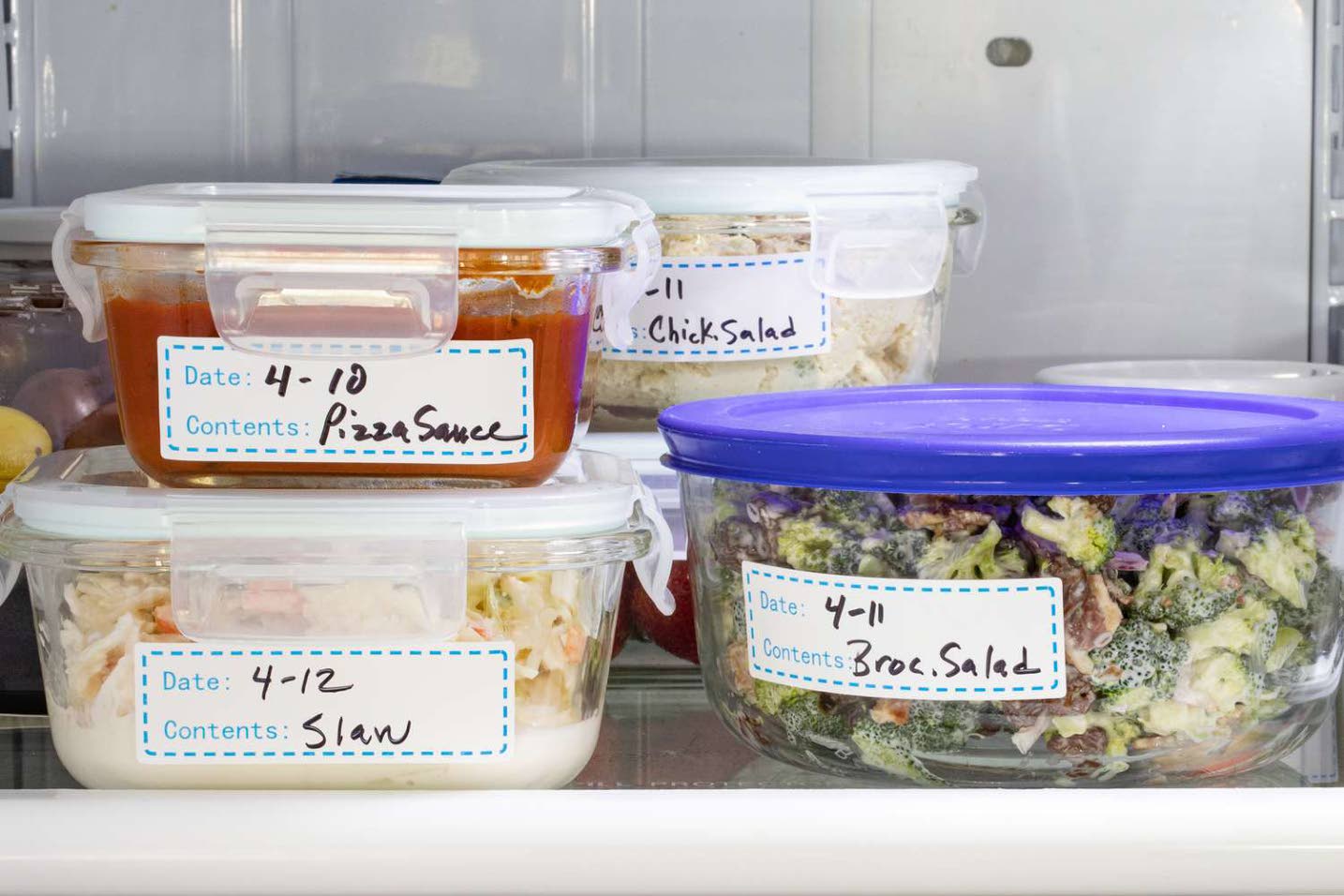
Refrigerate leftovers within two hours of cooking. Store food in shallow, airtight containers, with labels and dates.

Allison Richards | thefoodsafetygirlja@gmail.com.


