



Why mindful drinking belongs in wellness conversations
By late January many Jamaicans had already taken stock of their new year intentions. Some habits have stuck, others have quietly fallen away, and a few have been adjusted to feel more realistic. For many, alcohol consumption has been one of the first habits to come under review, particularly with the growing popularity of ‘Dry January’ and increased awareness around wellness.
What becomes clear in this period of reflection is that wellness is not just about what we give up for a month, but what we learn about ourselves in the process, including our relationship with alcohol. Beyond January, the question shifts from abstinence to intention. How do we carry forward healthier habits in ways that support both enjoyment and well-being?
In a culture as vibrant and social as ours, alcohol is closely tied to celebration and connection. From street dances and weddings to beach hangouts and festive seasons, drinking is often part of the “good vibes”. But wellness is about more than physical fitness, it is shaped by everyday habits that influence our mood, sleep, judgement, and emotional resilience, including our relationship with alcohol.
Alcohol is commonly framed as a way to unwind or take the edge off stress. While it may offer short-term relief, it rarely addresses the pressures beneath the surface. Over time, thoughtless drinking can disrupt sleep, heighten anxiety, and affect decision-making, leaving people less equipped to manage stress. These effects often go unnoticed until they begin to show up in our health, relationships, or productivity. This is why responsible drinking must be part of Jamaica’s wellness conversation, not as a restriction, but as an act of self-care.
At Red Stripe, where responsible enjoyment has long been a core principle, we recognise that alcohol has a place in social life, but never at the expense of well-being. The philosophy behind ‘Drink & Live Responsibly’ is simple: Enjoyment and responsibility are not opposites. They work best together. When people are informed, mindful, and supported to make better choices, the impact extends beyond the individual to families, workplaces, and communities. That commitment goes beyond public messaging.
Internally, Red Stripe approaches wellness through a holistic framework known as HEI-Life, which recognises that physical health, mental clarity, emotional balance, and social connection are deeply interconnected. Through education, wellness initiatives, and continuous support, employees are encouraged to make healthier lifestyle choices that align with their overall well-being, including how they approach alcohol.
Equally important is the role of support systems. Through the Employee Support Network, employees have access to confidential resources, peer support, and professional guidance to help navigate stress, mental health challenges, and personal pressures. These structures reinforce an important truth: Responsible choices are easier to make when people feel supported, informed, and understood.
In my work as an occupational health advisor, I’ve seen the difference this integrated approach can make. When wellness is treated as a whole rather than separate conversations about fitness, mental health, or substance use, people are better equipped to recognise how one habit can quietly influence many areas of their lives. One of the most common misconceptions about alcohol is that moderation happens naturally. In reality, it requires intention. Everyone responds to alcohol differently, shaped by factors such as genetic make-up, stress levels, and emotional health. Mindful drinking means being aware of when, why, and how much we drink and recognising when to pause or choose an alternative.
Responsible drinking does not mean removing joy from our lives. It means protecting it. It can look like spacing drinks with water, choosing alcohol-free options at times, planning ahead for social events, or deciding that some days simply do not require a drink. These small, conscious choices can have a meaningful impact on mental clarity, emotional regulation, and long-term health. When we widen the conversation beyond physical fitness, the connection becomes clearer. Alcohol does not operate in isolation from our mental state. Habits we lean on to cope can quietly shape how we respond to pressure and manage emotions. Over time, excessive drinking can dull emotional awareness and weaken coping skills, making everyday challenges feel heavier than they need to be.
As we move through 2026, the invitation is simple, start small but start intentionally. Make mindful drinking part of your wellness goals, not because you are told to, but because balance supports longevity. If we truly want a healthier Jamaica, one where people are thriving and not just getting by, we must be willing to examine all our habits, including the ones we associate with fun and celebration.
Good vibes matter, but good choices are what sustain us. Here’s to a year of balance, clarity, and well-being and making decisions that protect both our joy and our health.
Annalia Bucknor-Black is the occupational health advisor at Red Stripe.
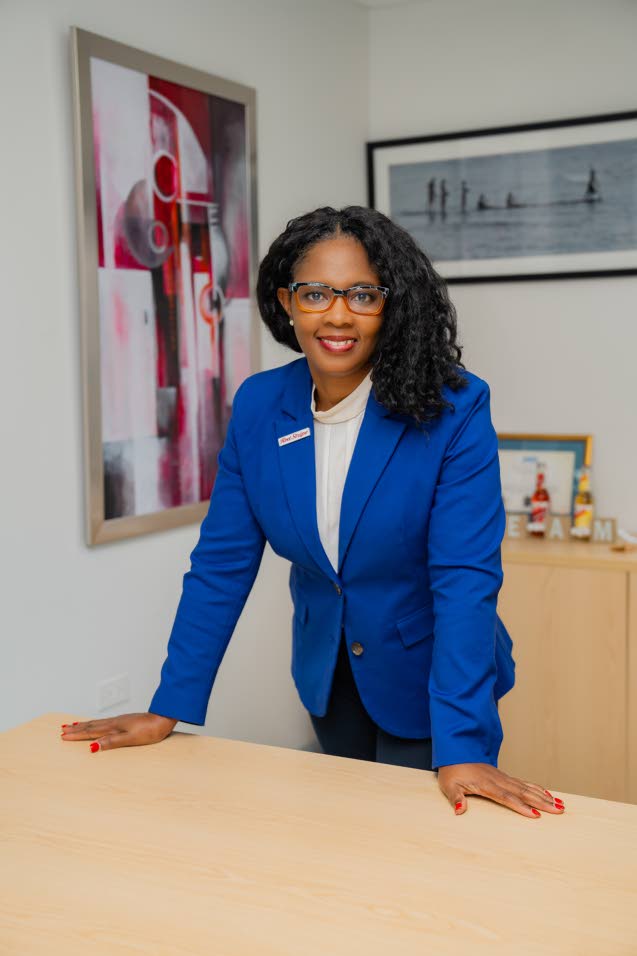
Annalia Bucknor-Black


