



Navigating Dietary Restrictions
There was a time when wedding menus followed a familiar formula — one protein, one starch, one vegetable, and perhaps a vegetarian option as an afterthought. Today, that approach no longer works. Modern weddings reflect a far more diverse guest list, and in 2026 dietary restrictions are not a niche concern but a central part of planning any successful celebration.
I recall seeing a recent guest list that had 37 attendees with dietary restrictions. I was shocked! That was about 1/3 of the attendees for a plated dinner service. From health-driven choices to cultural and ethical considerations, couples are now navigating a wide spectrum of dietary needs, and how they handle food can deeply shape the guest experience.
As guest lists become more intentional and multi-generational, food planning has evolved beyond simply selecting dishes that taste good. It now requires awareness, flexibility, and clear communication. Guests remember whether they felt considered, safe, and welcomed at the table. When dietary needs are ignored, or mishandled, it can create discmfort, confusion, or even risk — something no host intends. Thoughtfully planned menus, however, can transform dietary diversity into a strength rather than a challenge.
The Most Common Dietary Restrictions at Weddings Today
Understanding what you’re catering to is the first step.
• Vegetarian & Vegan
These guests avoid meat, and in the case of vegans all animal products including dairy, eggs, and honey. This is one of the fastest-growing dietary preferences, often rooted in ethics, health, or sustainability.
• Gluten-Free
Some guests choose gluten-free diets, while others have celiac disease, which requires strict avoidance of gluten. Cross-contamination is a major concern here.
• Food Allergies
Common allergens include nuts, shellfish, dairy, eggs, soy, and sesame. These are not preferences — mistakes can be serious.
• Religious or Cultural Restrictions
Ital, halal, kosher, and certain cultural dietary rules often dictate not just what is eaten, but how food is prepared, stored, and served.
• Health-Driven Diets
Low-sodium, diabetic-friendly, keto, or lactose-free meals are increasingly common, particularly with older guests or multi-generational weddings.
Beyond identifying dietary needs, couples must understand how these restrictions affect the entire planning process. Menu design becomes more intentional, catering conversations more detailed, and service logistics more precise. Decisions around staffing, labelling, plating, and even kitchen flow matter. The goal is to ensure that no guest feels like an inconvenience or an afterthought, and that special meals are delivered with the same care as the main menu.
When couples are unsure of every guest’s dietary requirements, the most effective approach is to build flexibility into the menu itself. Modular dishes — where components such as proteins, sauces, and garnishes are served separately — allow guests to customise their plates safely. Plant-forward main options are especially effective, as a well-prepared vegetarian or vegan dish can appeal to a wide range of guests without calling attention to dietary differences. Offering variety without complication is key. These reasons are why food stations and buffets work.
Clear labelling is another essential element of modern wedding service. Whether the meal is plated, buffet-style, or station-based, discreet yet visible labels help guests make confident choices without needing to ask questions. This not only supports guests with restrictions, but also eases the burden on service staff.
Speaking of service, trained teams are crucial.There is nothing more annoying than a server saying “I don’t know”. Staff should understand the menu, know which dishes contain allergens, and be prepared to handle questions calmly and accurately.
Thoughtful inclusion also means knowing what to avoid. Overly complex dishes, heavy use of common allergens, or assuming guests will simply “eat around” certain ingredients can lead to frustration. Last-minute menu changes without proper coordination often create more stress than solutions. Instead, simplicity, clarity, and consistency should guide every food-related decision.
Ultimately, dietary inclusivity is about hospitality, not limitation. The most memorable weddings are not those with elaborate menus, but those at which guests feel genuinely cared for. In an era in which everyone eats differently, success lies in planning with intention, empathy, and flexibility. When done well, accommodating dietary needs doesn’t detract from the celebration, it enhances it.
Shikima Hinds
Managing Director
at Shikima Hinds Events Concierge
Tel. 876-925-4285 or 876-361-0910
E-mail: shikima@shikimahinds.com
www.shikimahinds.com
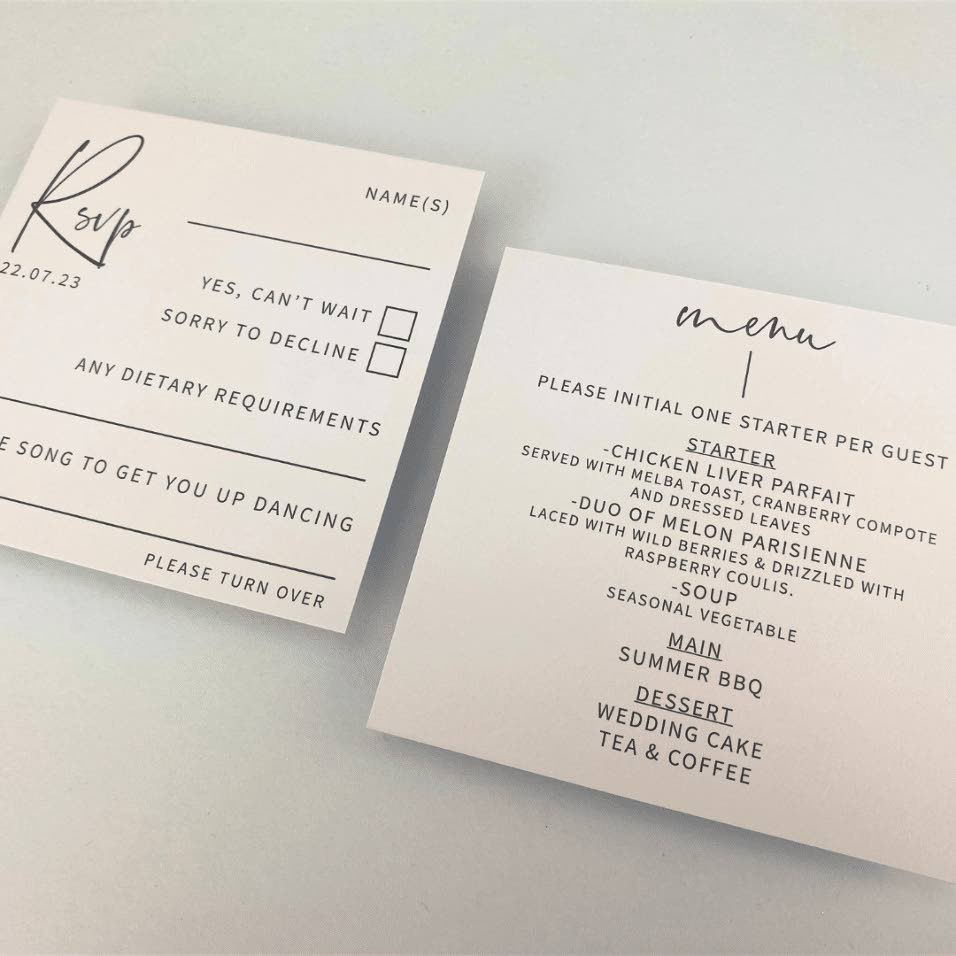
Food allergies and dietary restrictions are more common than ever — and asking about them on your RSVP card isn’t just kind. It’s essential.


