



Put culture at the centre of Jamaica’s recovery
Hurricane Melissa did more than damage property, it forced Jamaica into a critical national conversation: How do we rebuild in a way that is stronger, fairer, more resilient, and more prosperous than before?
For decades we have spoken about resilience and diversification. But crises strip away rhetoric. They remind us that resilience is never accidental. It must be designed, financed, coordinated, and executed deliberately.
The Government’s move to establish a statutory recovery body is, therefore, timely. But its success will not be measured only in the number of bridges rebuilt or funds mobilised. It will depend on whether Jamaica finally understands culture, entertainment, and the creative economy as core economic infrastructure, not decoration, afterthought, or charity.
For too long, culture and resilience have been expressed mainly through symbolic national celebrations, often produced by the Ministry of Culture, Gender, Entertainment and Sport (MCGES) or the Jamaica Cultural Development Commission (JCDC). These events lift morale and preserve identity. But symbolism alone cannot drive recovery. Culture must now be activated intentionally as productive work, marketable output, job creation, tourism retention, export opportunity, and national strategy.
As we rebuild, seven questions demand honest consideration:
1) What did we really lose and where can revival happen fastest?
Hurricane Melissa struck several pillars at once: agriculture, tourism, public infrastructure, services, and the creative sector.
St Elizabeth, our agricultural heartland, suffered severe losses in crops and livestock. Though agriculture contributes a modest share of gross domestic product (GDP), it anchors food security, rural livelihoods, manufacturing inputs, and the tourism supply chain.
Tourism, when indirect effects are counted, contributes close to 40 per cent of GDP. Damage across western parishes displaced thousands of workers, including creatives, hospitality staff, and technicians.
Infrastructure failures slowed commerce, mobility, and communication.
The creative sector, often excluded from formal impact assessments, lost events, venues, production opportunities, and income. Yet it remains one of the quickest ways to restart economic activity because it is renewable, mobile, and export-ready.
Altogether, Melissa may have disrupted between 18 and 25 per cent of income flows. The task ahead is not only rebuilding, but restarting circulation quickly.
2) How much tourism income do we actually retain?
Tourism brings foreign exchange, but much of it leaks out of the local economy. Studies show that countries like ours sometimes retain as little as 20 to 30 per cent of what visitors spend.
A smarter recovery must, therefore, prioritise Jamaican-owned cultural experiences, festivals, community entertainment, and redeployment of displaced tourism workers into culture-driven value chains. Every dollar spent on Jamaican creativity circulates longer at home.
3) Do remittances already reflect creative exports?
Remittances remain one of our largest foreign exchange inflows. Increasingly, they reflect payments for music, digital content, remote services, Diaspora-supported businesses, and Jamaican-branded experiences.
If properly classified, we may discover that Jamaica already exports significant creative labour informally. That insight should guide export policy, banking products, and tax frameworks.
4) Can the newly established statutory recovery body integrate culture across government?
The statutory authority offers a rare opportunity to correct long-standing fragmentation.
Embedding culture into infrastructure, tourism redevelopment, housing, public space management, and wellness programmes could transform morale and economic participation, especially in affected parishes.
Festivals, heritage programming and structured creative deployment should form part of reconstruction timelines, not sit on the sidelines as optional entertainment.
5) Are we ready to absorb displaced workers?
Workers displaced by hotel closures are not burdens awaiting benevolence; they are under-used capacity. With targeted retraining, many can transition into production management, festival operations, craft, culinary experiences, and cultural tourism.
Institutions such as Edna Manley College of the Visual and Performing Arts (EMCVPA) in collaboration with HEART/NSTA Trust can rapidly certify skills and connect workers to opportunities islandwide.
6) Can entertainment broaden tourism beyond traditional enclaves?
Recovery allows us to move beyond enclave tourism models.
Cultural programming can draw visitors to parishes that were less damaged, while keeping rebuilding communities economically active. Pop-up stages, rotating festivals, culinary tours, heritage walks and corporate-supported venues can help re-energise communities while supporting psychological healing.
7) Should industry organisations be execution partners?
Government cannot carry recovery alone. Organisations such as Jamaica Reggae Industry Association (JaRIA), Private Sector Organisation of Jamaica (PSOJ), Jamaica Hotel and Tourist Association (JHTA), Jamaica Manufacturers and Exporters Association (JMEA), and EMCVPA possess technical experience that should be embedded from the outset — not consulted after decisions are made.
A PATH FORWARD
A culture-centred recovery would include:
• recognising culture as economic infrastructure
• establishing a National Culture and Entertainment Recovery Programme
• redeploying displaced workers into creative industries
• accelerating islandwide cultural tourism
• using events to activate rebuilding communities
• acknowledging portions of remittances as creative export income
• formalising industry-government partnerships
REBUILDING MORE THAN STRUCTURES
Hurricane Melissa damaged roads and buildings, but it did not damage Jamaica’s greatest asset: its people and their creativity.
If we treat culture not as symbolism, but as strategy, not as decoration, but as development, recovery can become more inclusive, more sustainable, and more Jamaican. Reggae Month 2026 presents a golden opportunity for launching this approach.
This moment is not about returning to normal, it is about building a nation that is resilient, confident, innovative, globally competitive, and rooted proudly in its culture.
And if we act boldly, Jamaica will not simply rise from the rubble. We will rise transformed.
Ewan D A Simpson is an attorney-at-law, musician, creative consultant, adjunct lecturer at The University of the West Indies, and chairman of the Jamaica Reggae Industry Association. Send comments to the Jamaica Observer or ewansimpson.businesslaw@gmail.com
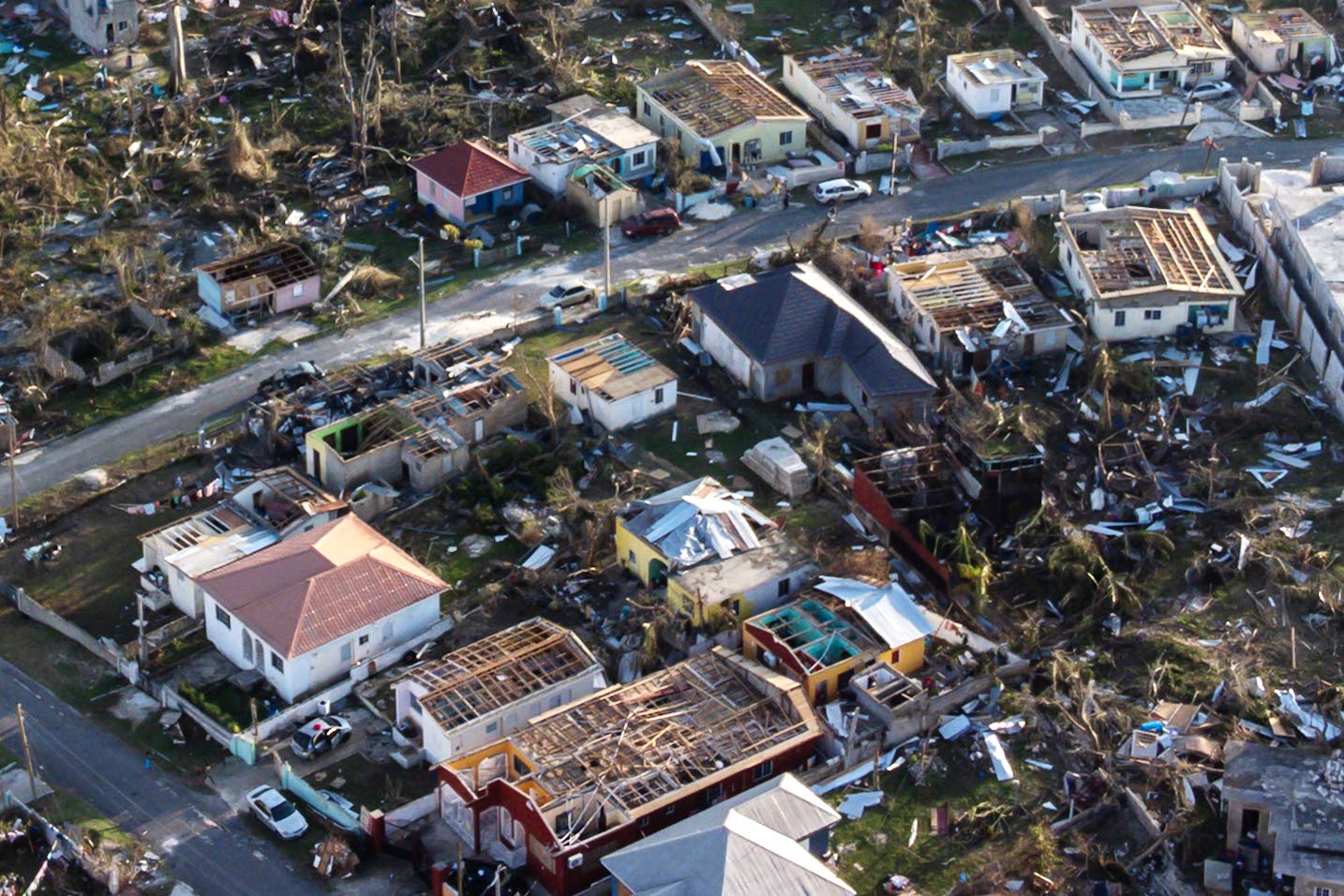
Hurricane Melissa struck several pillars at once — agriculture, tourism, public infrastructure, services, and the creative sector. (Photo: JIS News)

A wholly successful recovery will depend on whether Jamaica finally understands culture, entertainment, and the creative economy as core economic infrastructure, not decoration, afterthought, or charity.


