



Strength in sovereignty
Rastafari groups taking disaster relief into their own hands
THIRTY-TWO Rastafari organisations have united to launch the Relief, Rebuild & Rise (RRR) fund-raising webathon.
Born from the urgent realisation that the mainstream disaster relief response to Hurricane Melissa has left many in their community behind, the event chronicles a historic move toward communal self-reliance as national recovery efforts continue.
Citing a systemic failure to address culturally specific requirements such as “ital” dietary needs and the restoration of sacred community hubs, organisers are hoping to raise some US$500,000.
Speaking with the Jamaica Observer, Ras Biah Evans, co-chair of the Rastafari Mansions and Organizations (RMO), shared that the Rastafari community has always prioritised independence as a means of survival. He expressed that, while there is a sense of support being extended to the community, members have specific needs, and thus they have to look after their own.
Over decades, the Rastafari community has been practising its principle of self-reliance and also survival as a marginalised group. Mainstream support like from Food For the Poor, Central Kitchens, or even public shelters are unable to meet the dietary, health, and cultural needs of the community, so [RRR] for the Rastafari community has to be led by the community itself,” he said.
Sister Samantha Fagan, executive secretary of the RMO, agreed. She expressed that, when her team reached out to the entertainers billed to perform at the webathon, the reaction was overwhelmingly positive as they were eager to assist their brothers and sisters.
“As Rastafari always say, ‘Solidarity begins at home.’ So many entertainers are either Rastafari themselves or working closely within the reggae industry, centrally influenced by Rastafari. So when they see a Rastafari-led relief initiative reaching out for a strength, it’s an automatic green light,” she said.
The line-up included Grammy-winning artistes Julian Marley, Gramps Morgan, Kabaka Pyramid, as well as Ghana’s multi-Grammy nominee Rocky Dawuni. It is completed by Sister Carol, Yami Bolo, Jah9, Spragga Benz, and Hempress Sativa
When asked his thoughts on this landmark unified movement, Julian Marley said: “It’s the togetherness that will make us resilient. I’m hoping open hearts around the world show urgent support.”
Taking place at the onset of Black History and Reggae Month, the historic fund-raiser was streamed live on RDDM Media.
Event organisers say the funds raised will go towards rebuilding five Rastafari centres damaged by the Category 5 storm. Those centres will then serve as bases to ensure relief and recovery efforts reach the most vulnerable in their community. Once the centres secure strategic support to build forward stronger, the Government and aid agencies can look to these centres as trusted community-based organisations that will have capacity to play a strategic role in Jamaica’s recovery and rise efforts, especially in the area of food security through ital farming, livelihood opportunities, indicated Dr Kerida McDonald, RMO public relations officer and former senior advisor for the United Nations.
“Temporary rebuilding has already begun with available materials, including zinc and fallen light poles. But our main interest is to find local and international partners willing to provide financial and technical support to support Rastafari centres and homes to rebuild with disaster-proof designs so our focus can remain on development,” said First Man Edward Wray, one of the founding members of RMO.
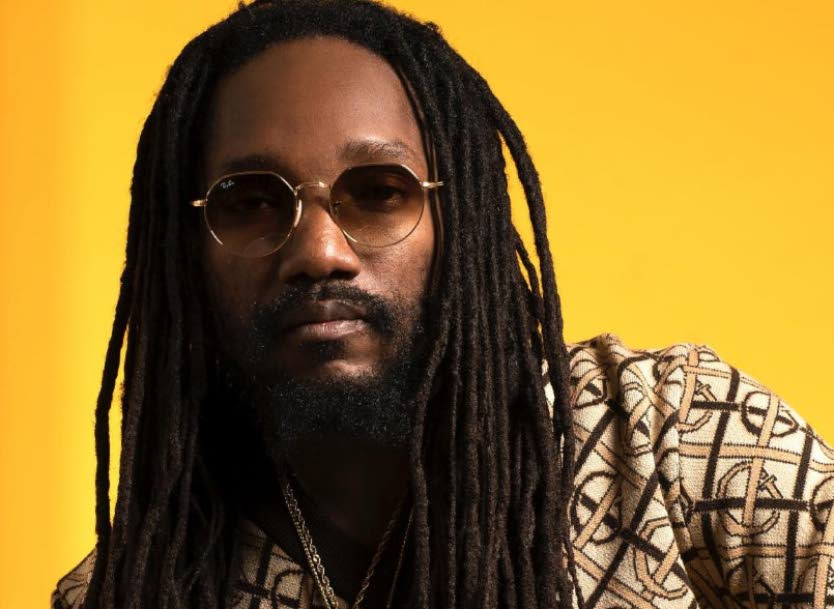
Kabaka Pyramid.
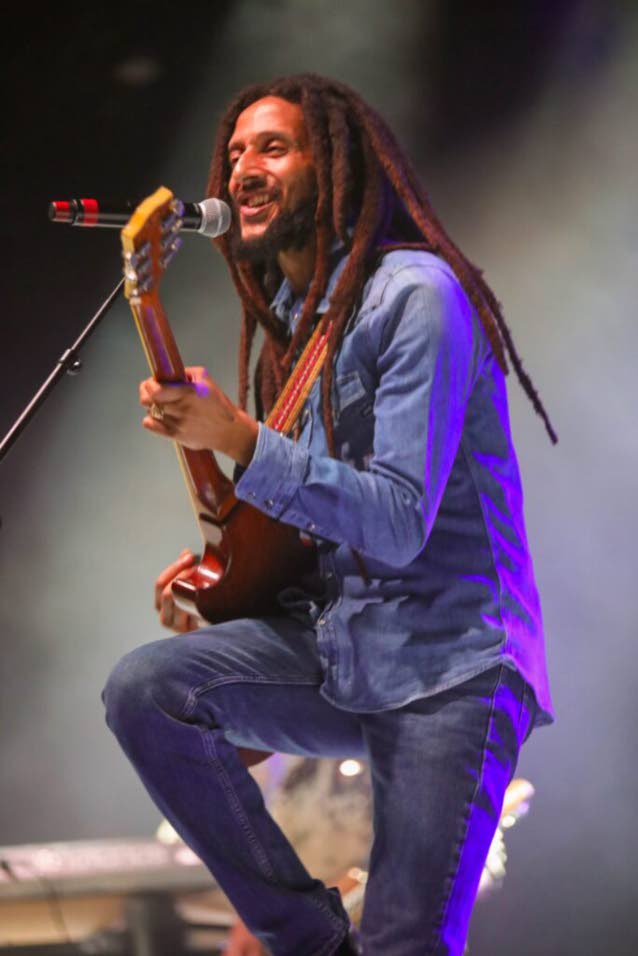
Julian Marley .
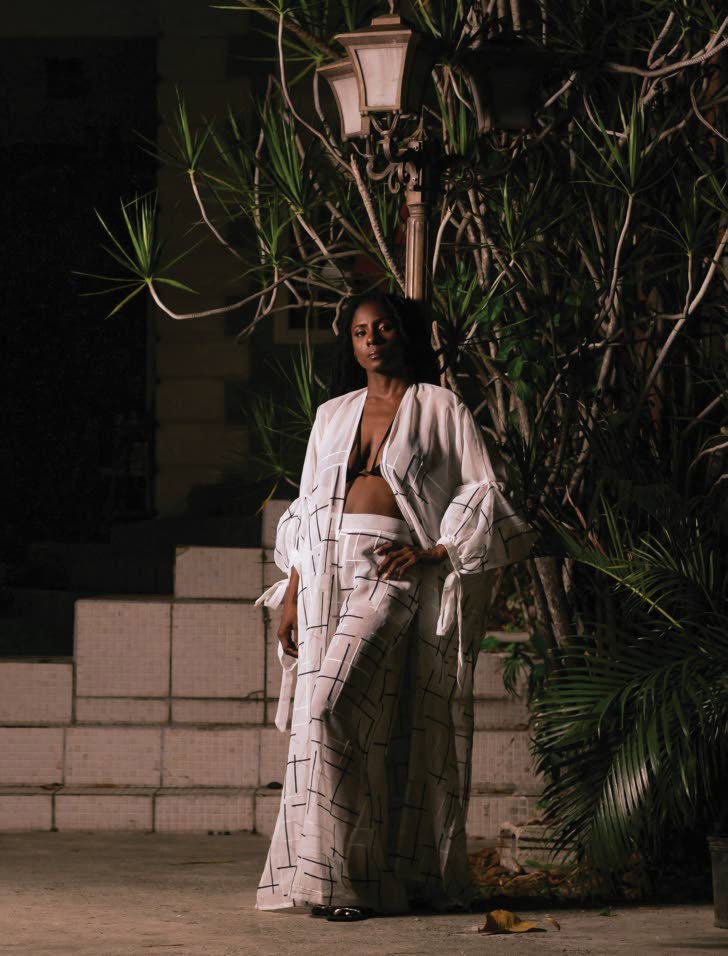
Jah9.


