



¡Salud Por Malbec!
On Friday, April 17, 2026, as the global wine community turns its attention to World Malbec Day, much of the conversation will orbit familiar coordinates, the polished estates of Mendoza, the export corridors that have long defined Argentina’s international identity. Yet here, in the northern province of Salta, the story of Malbec is being rewritten with a quieter, more introspective confidence. It is a narrative shaped not by scale but by altitude, not by volume but by intent.
At the centre of this evolving landscape sits Bodega Dal Borgo, a project that resists easy categorisation. It is neither legacy estate nor experimental outpost. It occupies a space that feels both grounded and anticipatory, a response to the broader transformation unfolding across Argentina’s wine economy. Located within the Calchaquí Valleys, one of the highest viticultural regions in the world, the bodega operates within an environment that imposes discipline. Vines here do not yield to ambition without negotiation. They demand precision, patience, and a willingness to listen.
The founders of Bodega Dal Borgo, whose vision is rooted in both agricultural pragmatism and a refined understanding of hospitality, have approached the land with restraint. Rather than imposing a predefined style, they have allowed the site to dictate expression. Malbec, the varietal that has come to symbolise Argentina globally, assumes a different character at these elevations. The fruit profile tightens, acidity sharpens, tannins gain a firmer architecture. There is less opulence, more clarity. The wines speak in a quieter register, yet with a persistence that lingers.
This shift in expression reflects a broader tension that defines Argentina’s wine industry in 2026. For decades, Malbec’s success has been anchored in accessibility and recognisable flavour profiles. It built markets, established reputations, and secured Argentina’s place on the global stage. Now, that very success presents a challenge. International consumers, shaped by evolving palates and a growing interest in terroir specificity, are seeking nuance. They are asking for differentiation within the category itself.
Producers in Salta have recognised this inflection point. The region’s extreme altitude, with vineyards often exceeding 1,700 metres above sea level, offers a natural pathway towards distinction. Sunlight intensity, wide diurnal temperature variation, and mineral-rich soils contribute to wines that diverge from the Mendoza archetype. At Bodega Dal Borgo, these conditions are not framed as obstacles but as assets, tools through which a more precise Malbec can emerge.
In the vineyard, adaptation is both philosophical and practical. Water stewardship has become a defining concern across Argentina, particularly in regions where irrigation relies on increasingly unpredictable sources. This winery’s approach reflects a broader industry shift towards efficiency and sustainability. Irrigation is calibrated with restraint, informed by soil monitoring and climatic observation rather than routine. The objective is balance rather than maximisation. Vines are encouraged to root deeply, to engage with the subsoil, to express the geology beneath them.
This emphasis on precision extends into the cellar. Fermentation practices are tailored to preserve the structural integrity shaped in the vineyard. Extraction is measured, oak usage restrained. There is an evident movement towards parcel-based vinification, an acknowledgment that even within a relatively small estate, micro-differences in soil and exposure warrant individual attention. Such decisions align with global trends identified by organisations such as the International Organisation of Vine and Wine and the Wine & Spirit Education Trust, both of which have observed a growing emphasis on terroir-driven wines and site-specific expression.
Yet Bodega Dal Borgo’s significance extends beyond the technical. It functions as a lens through which Salta’s broader evolution can be understood. Historically, the region has occupied a peripheral position within Argentina’s wine narrative, admired for its dramatic landscapes but often overlooked in strategic discussions. That dynamic is shifting. Boutique producers, many of them operating at small scale, are redefining the region’s identity. They are positioning Salta not as an alternative to Mendoza but as a complementary expression within a diversified national portfolio.
Wine tourism plays a critical role in this repositioning. At this bodega hospitality is conceived as an extension of the vineyard rather than a separate offering. The experience is immersive, grounded in place, and deliberately paced. There is an emphasis on gastronomy, on pairing wines with regional cuisine that reflects the cultural heritage of the Calchaquí Valleys. This approach aligns with a broader shift identified by IWSR Drinks Market Analysis and Wine Intelligence, both of which highlight the increasing importance of experience-driven consumption. In this regard, Salta holds a distinct advantage. Its remoteness, once perceived as a limitation, now enhances its appeal.
The narrative of World Malbec Day in 2026, therefore, extends beyond celebration. It becomes a moment of reflection, an opportunity to consider how Argentina’s flagship varietal continues to evolve. In Salta, that evolution is grounded in specificity. Malbec here does not seek to replicate established models. It asserts its own identity, shaped by altitude, climate, and a cultural landscape that values continuity alongside innovation.
Salta’s emergence as a region of strategic relevance reflects these layered dynamics. It is not simply a question of producing distinctive wines. It is about articulating a coherent identity within a global market that is becoming increasingly segmented. Argentina’s strength lies in its diversity, and regions like the Calchaquí Valleys contribute to that narrative by offering a different perspective on familiar varietals.
As World Malbec Day unfolds, these elements converge into a more nuanced understanding of Argentina’s wine identity. The celebration acknowledges heritage while also recognising transformation. In Salta, that transformation is subtle yet profound. It is visible in the way producers engage with their environment, in the decisions that shape each vintage, and in the narratives that emerge from places that once operated at the margins.
For those who navigate this landscape with intention, there is an opportunity to access a deeper layer of understanding. Curators such as Anetza Concierge play a role in facilitating this engagement, interpreting the region’s complexities and creating pathways that connect travellers with producers and places in meaningful ways. The objective is not consumption but comprehension, an appreciation of how wine functions as both product and cultural expression.
In the end, the significance of Bodega Dal Borgo lies in its ability to embody a broader shift. It reflects an Argentina that is increasingly confident in its regional diversity, willing to explore new expressions of established varietals, and attentive to the environmental and cultural contexts that shape its wines. Malbec, in this setting, becomes a conduit rather than a conclusion. It carries the imprint of place, the decisions of those who cultivate it, and the evolving expectations of a global audience.
World Malbec Day, in this context, feels less like a singular event and more like a point within an ongoing narrative. A narrative that, in Salta, is being shaped with precision, restraint, and a quiet sense of purpose. Salud!
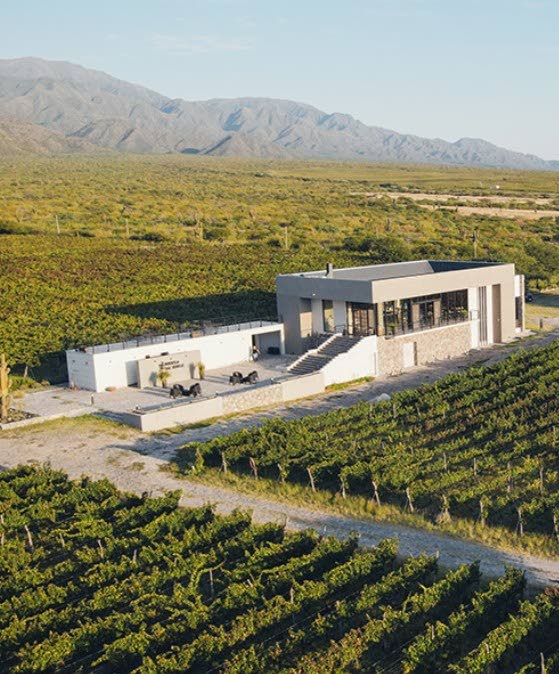
Bodega dal Borgo is located within the Calchaquí Valleys, one of the highest viticultural regions in the world. (Photo by Bodega dal Borgo)
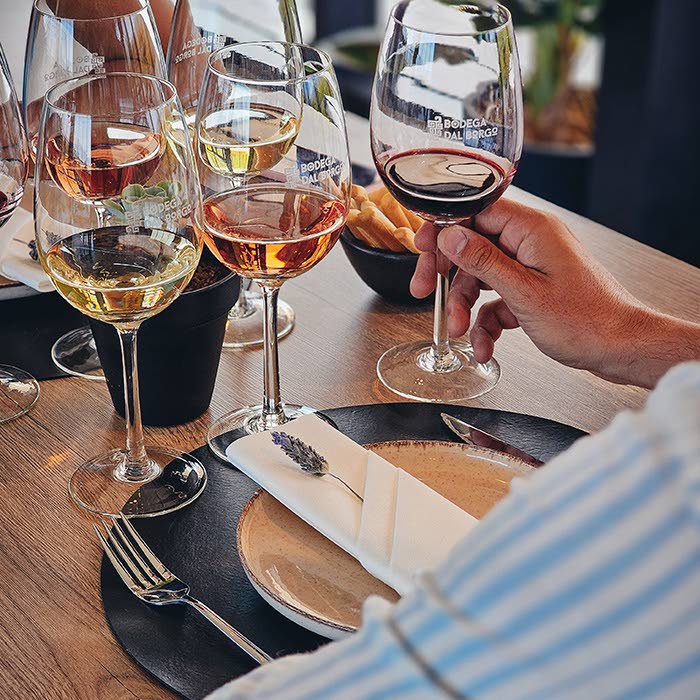
Bodega Dal Borga offers guided vineyard tours that culminate in wine tastings. (Photo by Bodega dal Borgo)
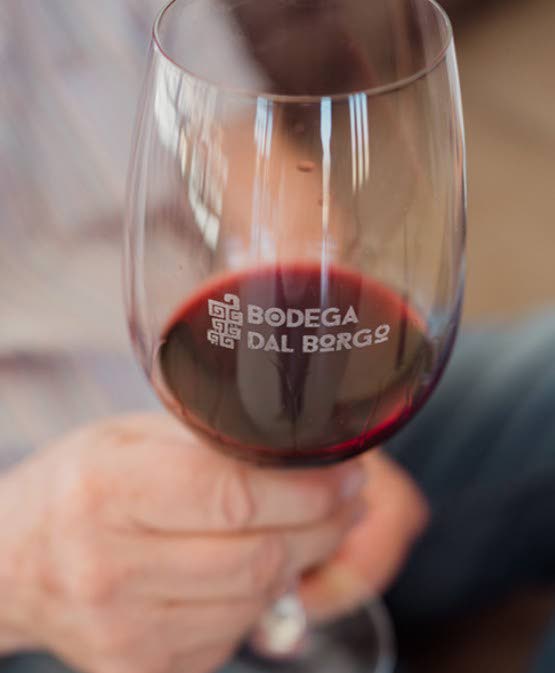
In the Salta Province at Bodega Dal Borgo, a more precise Malbec emerges, speaking in a quieter register, yet with a persistence that lingers. (Photo by Bodega dal Borgo)
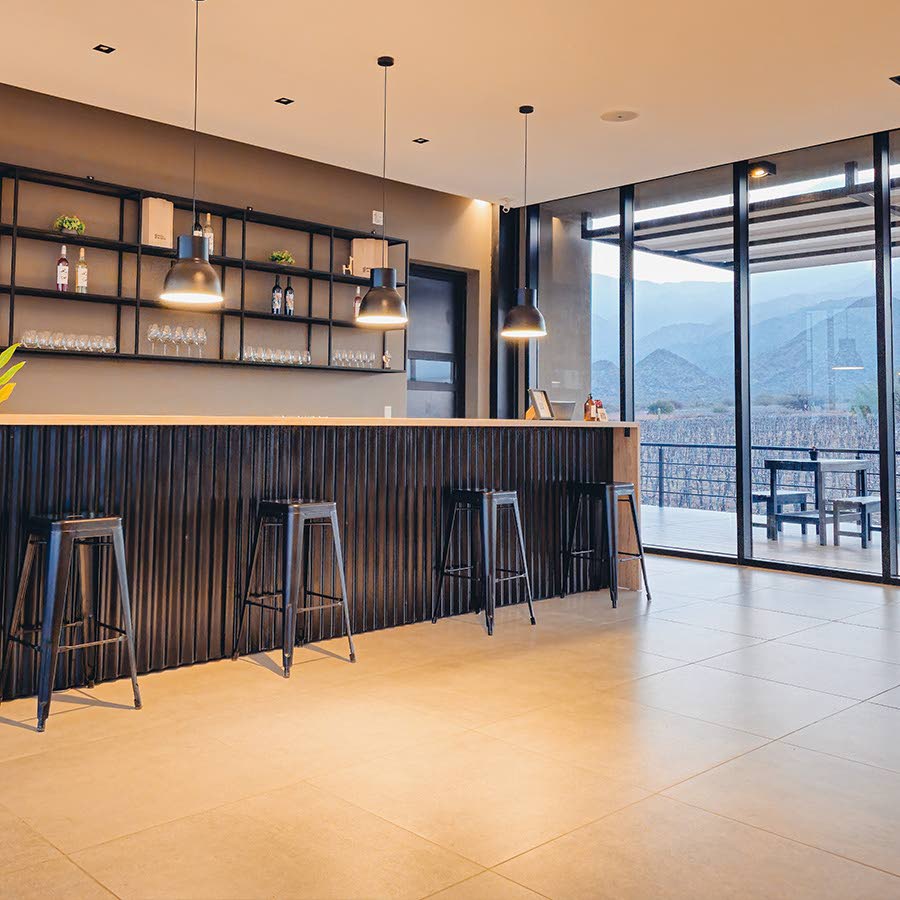
The wine bar at Bodega Dal Borgo boasts 360° views of the vineyards and surrounding mountains.(Photo by Bodega dal Borgo)
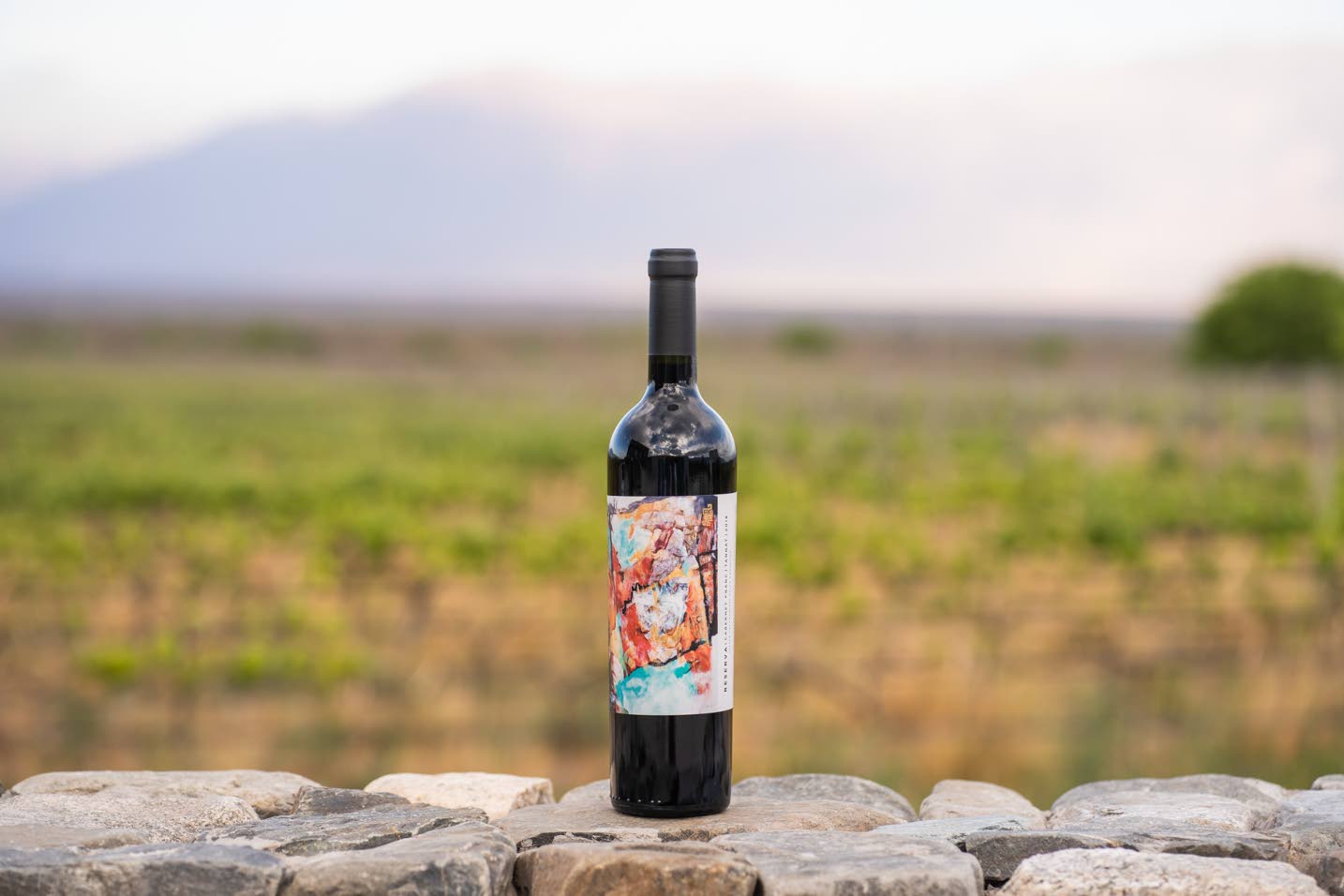
Almandino Reserva Blend is made up of 75 per cent Malbec, 15 per cent tannat and 10 per cent Cabernet Franc reaped from vines grown in the Animaná Region. (Photo by Bodega dal Borgo)
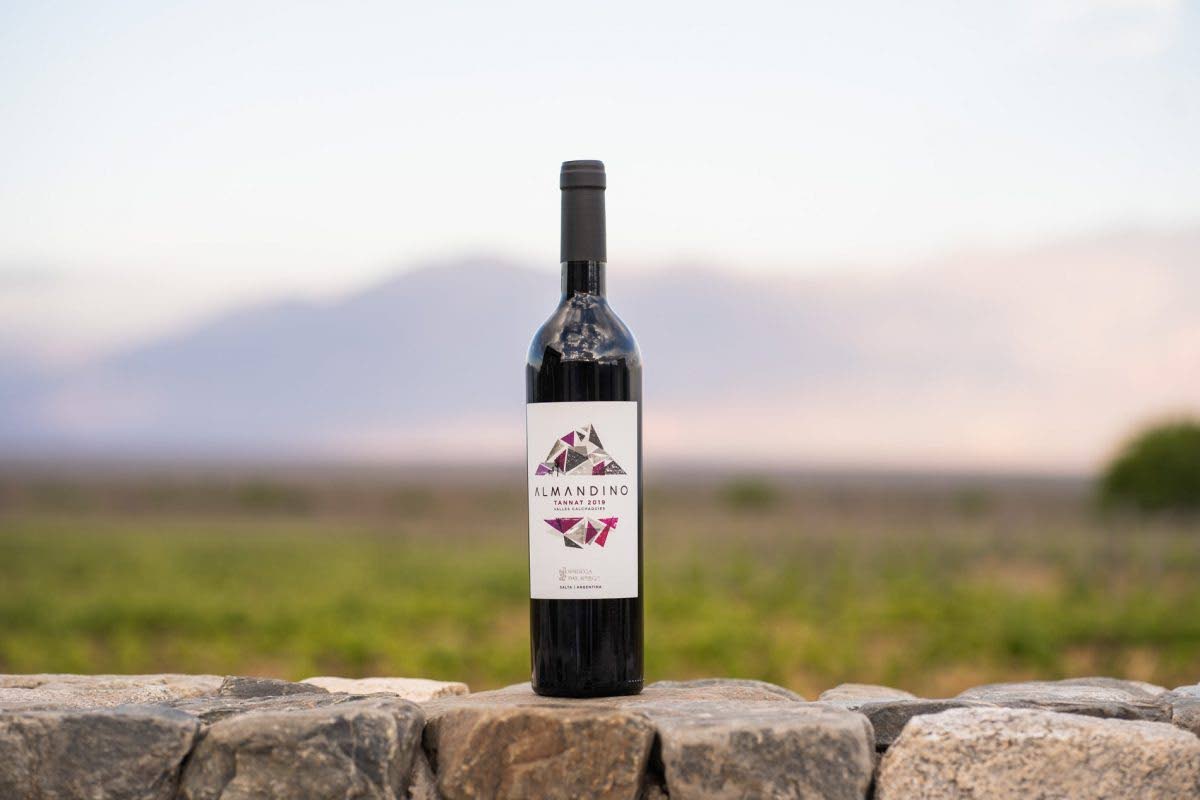
Almandino Tannat is made using 100 per cent tannat grapes which were hand-harvested in 20 kg crates during the third week of February, in the early-morning hours. (Photo by Bodega dal Borgo)
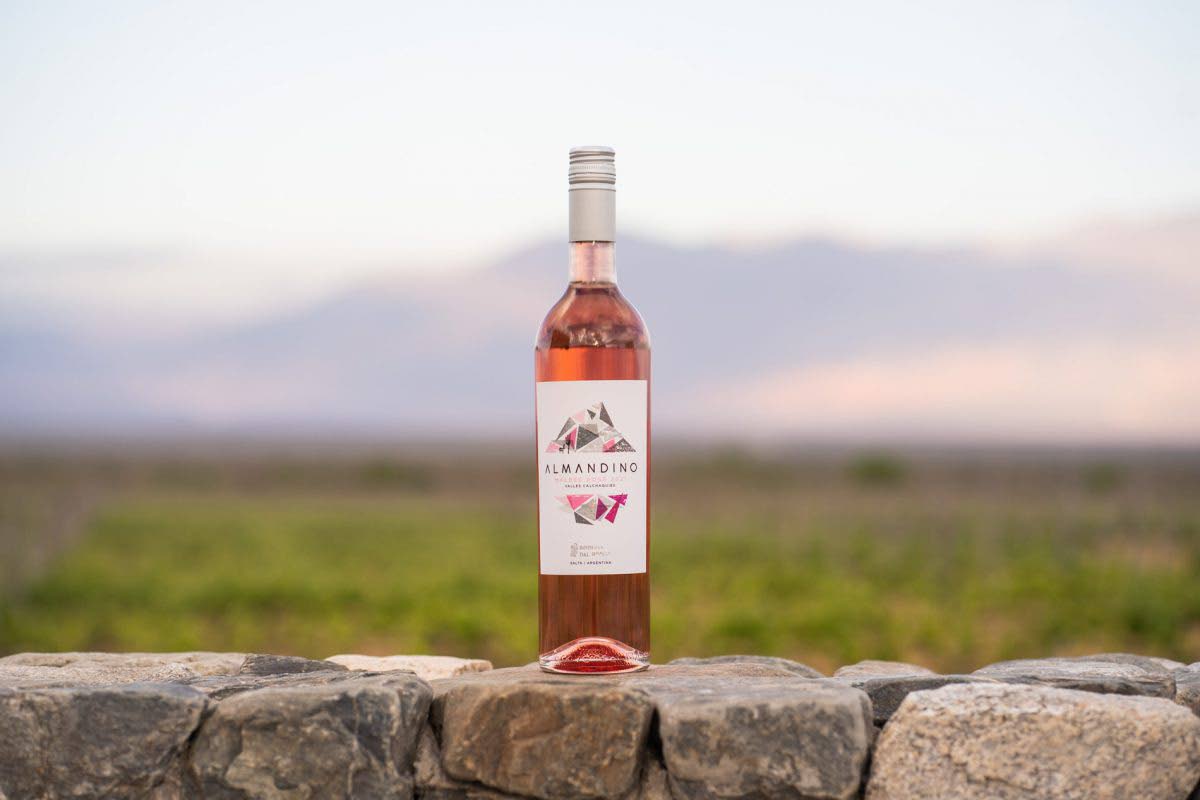
Almandino Malbec Rosé is a fresh, fruity wine with notes of cherries and strawberries. (Photo by Bodega dal Borgo)
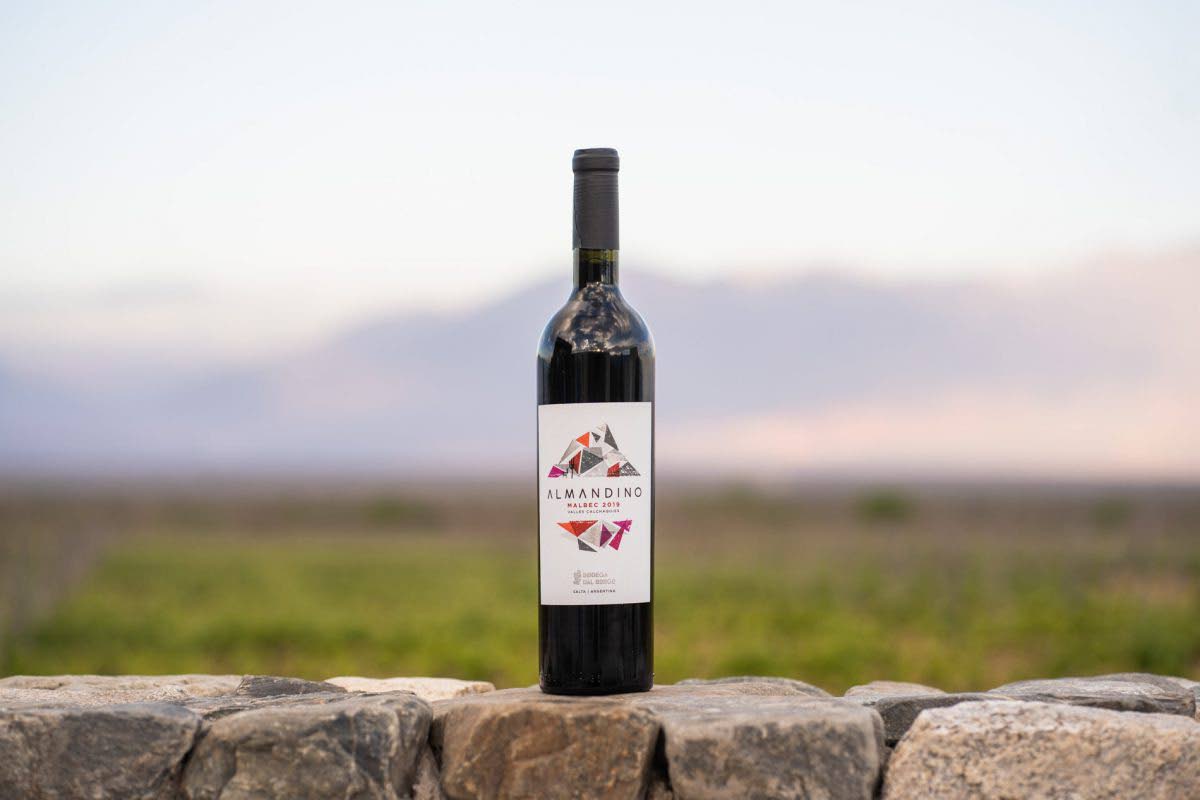
Almandino Malbec is a 100 per cent varietal made from grapes grown 1,700 metres above sea level, in the foothills of the Sierras de Quilmes mountain range in Salta.(Photo by Bodega dal Borgo)
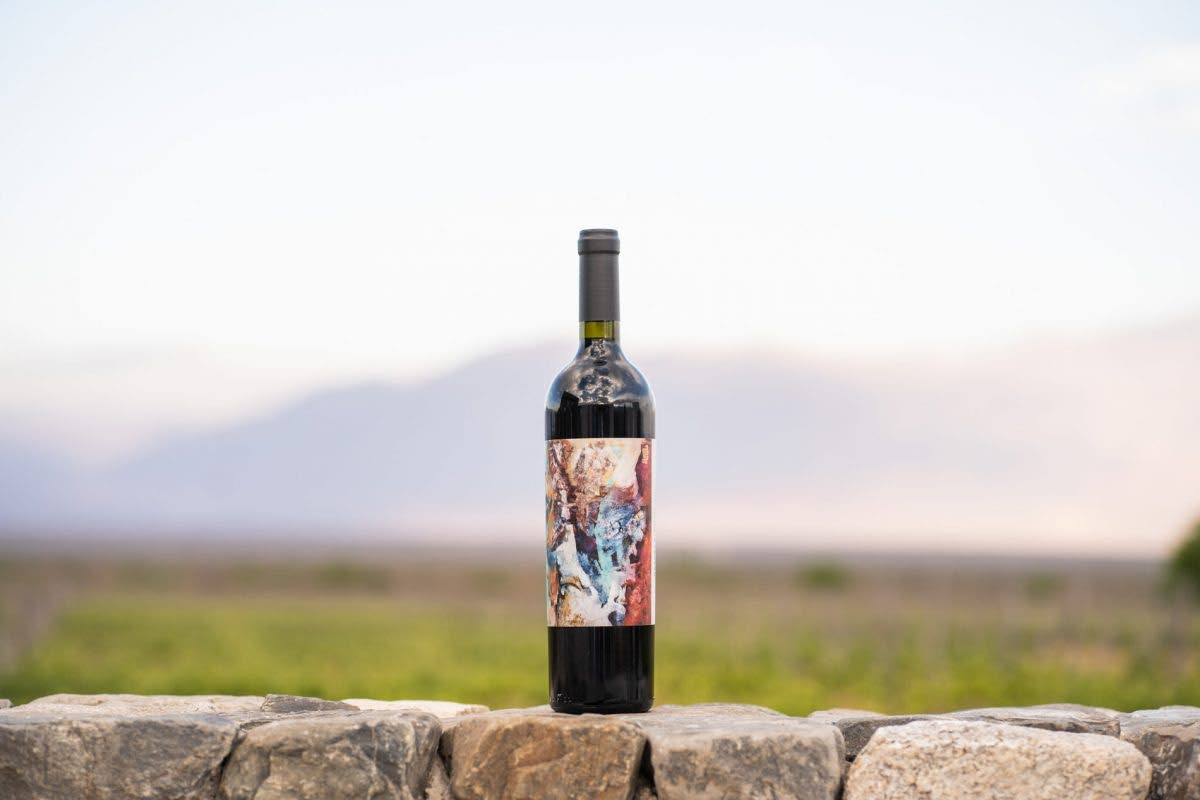
Almandino Malbec Reserva has a deep, brilliant purple colour and aromas dominated by black plums and cherries. (Photo by Bodega dal Borgo)


