



Bartlett eyes better future for tourism workers with reform plan
MONTEGO BAY, St James —In a bid to secure appropriate compensation for workers in the hospitality sector, Tourism Minister Edmund Bartlett has identified the professionalisation of the labour force as one of three priorities he wants to achieve before demitting office.
“What will make the difference in the industry is to professionalise. And the professionalisation of tourism is about training and certification of the workers of the industry — and that’s a programme that I, as your minister, is committed to, and has been going through. And if I do nothing else to complete my tenure, is to get to that point where we feel, yes, we are on a path to professionalising the industry,” Bartlett declared.
“I’m creating the basis for appropriate remuneration of the tourism workers because we had no way of measuring the value before,” added Bartlett as he addressed a Jamaica Youth Tourism Summit and Artisan Experiences, hosted by students of The University of the West Indies, Mona – Western Jamaica Campus, as part of the final assessment for their events management course.
Bartlett told the students that since 2017 Jamaica has focused on professionalising the tourism workforce, through the Jamaica Centre for Tourism Innovation, by certifying competence rather than just entry-level skills. He said partnering with international bodies, some 30,000 tourism workers have been certified.
According to Bartlett, the initiative expanded to advanced training, including a gastronomy academy producing executive sous chefs now working in major hotels, and an entertainment academy to train industry-ready performers.
He added that the programme also extends into 32 high schools through a Hotel Tourism Management programme, with plans for an associate degree to formalise entry into the industry.
“I’m doing something further than that. You come from anywhere, put a towel over you arm and you walk in, and they give you a money. We want to change that. That’s what the whole human development strategy is about — to change the labour market arrangements in tourism on the basis of training and certification, and then classification as a result of training and certification. And now, we can remunerate according to classification.
“So when we are inviting you, young people, to come into tourism, we are now inviting you to come into an ecosystem that will allow for you to have mobility — that is, you can move from one level to another,” declared Bartlett.
He added that championing the improvement in living conditions for tourism workers is also on his front burner, and pointed to a new Government policy which mandates that all hotel developments with 500 rooms or more must include housing provisions for employees.
The tourism minister also pointed out that more than $6 billion has already been saved under the Tourism Workers’ Pension Scheme, an initiative that was launched by the Ministry of Tourism in 2022.
He said $2 billion will be drawn from the fund, which is projected to reach $10 billion by the end of 2027, to establish a health maintenance organisation (HMO) aimed at delivering accessible health care to workers in the sector, as another element of his goal to be achieved during his tenure.
“So we will have a complete ecosystem for the workers of the tourism industry, with health, pension, housing and certification and professionalisation,” said Bartlett,
“In that context, I will tell you there will be no worker anywhere that would be more secure than the tourism workers of Jamaica,” added Bartlett.
The youth-focused seminar and interactive showcase was held under the theme, ‘Jamaica Wi Cyaah Dun: Resilient Tourism Roots’.
In his address, mayor of Montego Bay Richard Vernon pointed out that young people are the future of Jamaica’s tourism sector, and urged the young people to be the the current innovators.
“You must bring digital fluency, new business models, and fresh ways to interpret tradition. And our artisans, you are the living archive of our culture: potters, weavers, musicians, cooks and storytellers. When we connect youth with artisans we create apprenticeships, social enterprises, and visitor experiences that are authentic and sustainable,” declared Vernon.
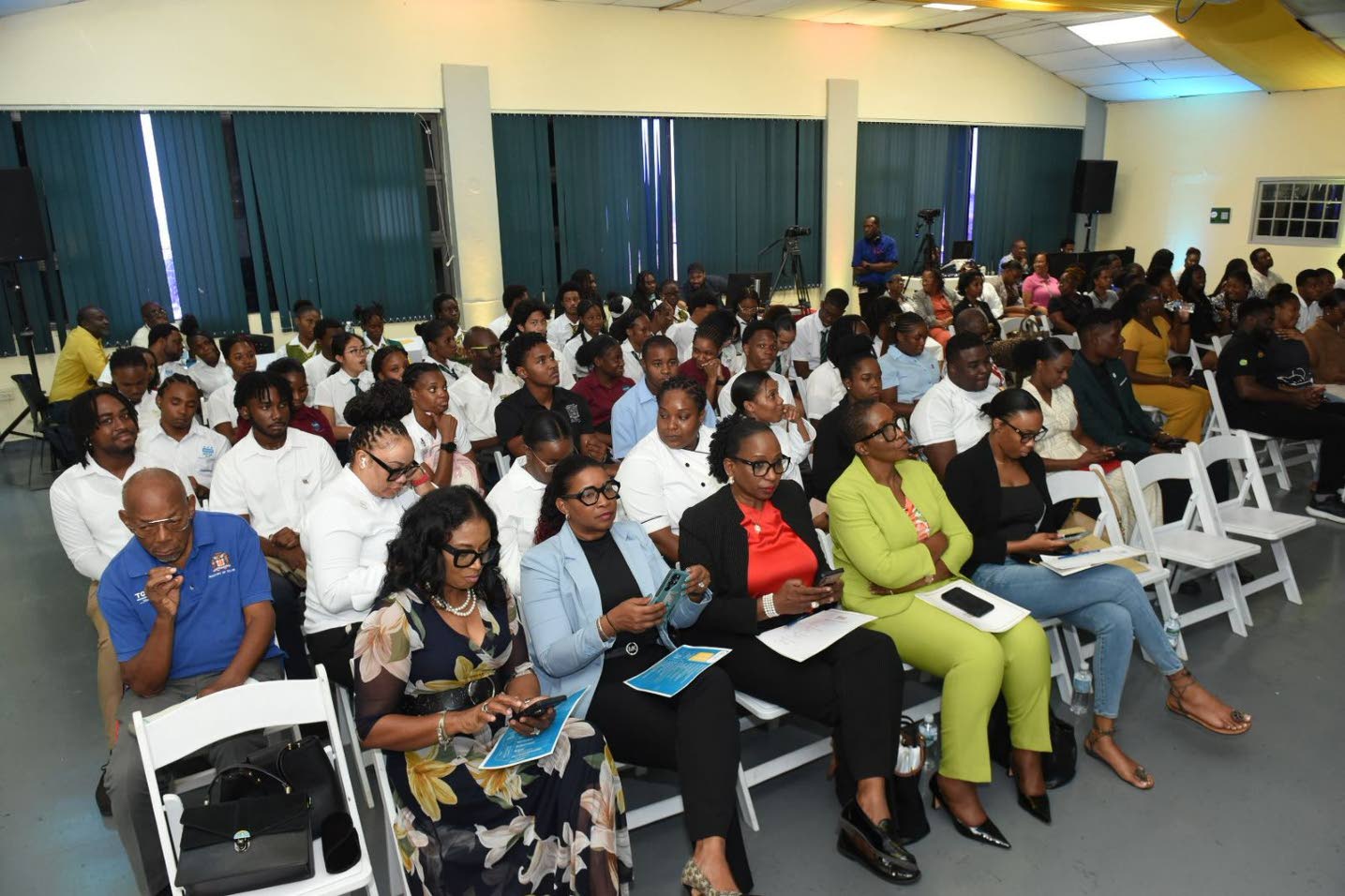
A section of the audience in attendance at the Jamaica Youth Tourism Summit and Artisan Experiences, hosted by students of The University of the West Indies, Mona – Western Jamaica Campus, on Thursday.
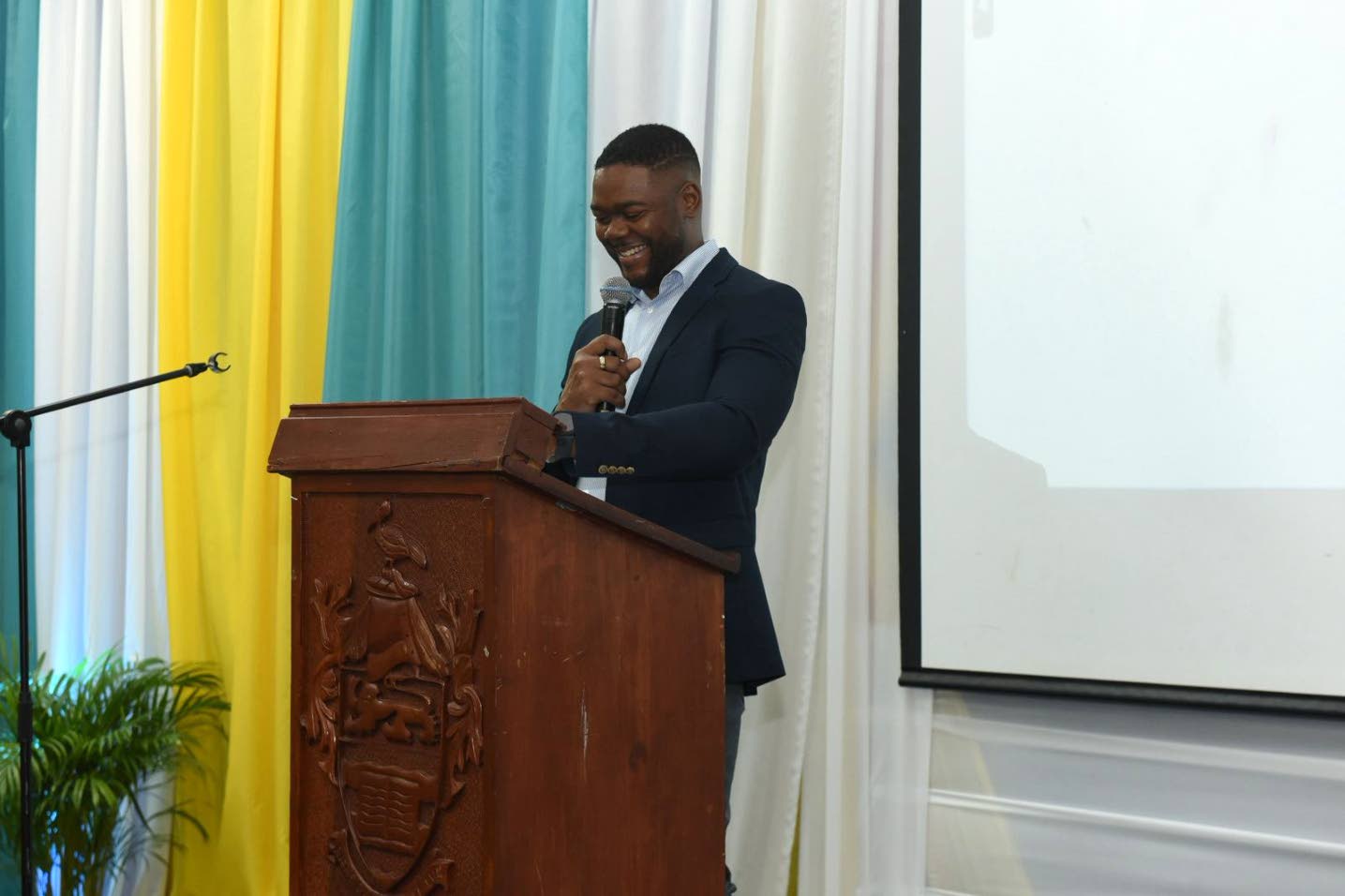
Mayor of Montego Bay, Councillor Richard Vernon speaking at the Jamaica Youth Tourism Summit and Artisan Experiences.


