



A Booming Culture, A Hidden Risk
Across Jamaica, food festivals are booming. From curated culinary experiences to street-style pop-ups and cultural showcases, these events are becoming staples of entertainment, tourism, and community life. They celebrate flavour, creativity, and entrepreneurship. But behind the vibrant stalls, social media buzz, and long lines lies a reality that is often overlooked: Festivals are inherently high-risk food safety environments.
Globally, foodborne illness remains a major public health concern. According to the World Health Organization, an estimated 600 million people — nearly 1 in 10 worldwide — fall ill each year from contaminated food, resulting in approximately 420,000 deaths. These cases are not limited to large-scale failures, but are often linked to everyday food handling practices, including those in temporary food settings.
Food festivals, by their very design, bring together many of the risk factors known to drive these outcomes.
Temperature: The Silent Driver of Risk
One of the most critical concerns is temperature abuse. Outdoor events in Jamaica’s warm climate create ideal conditions for bacterial growth. Foodborne illnesses are known to increase in warmer conditions because bacteria multiply more rapidly in heat, particularly when food is held outside of safe temperature ranges.
At festivals, foods are often displayed for extended periods without adequate hot holding or refrigeration. Dishes such as rice, seafood, meats, and sauces — already classified as high-risk — can quickly enter the “danger zone” (5-60 degrees Celsius), allowing pathogens like Salmonella and E. coli to proliferate. What appears to be a short delay in service can, in reality, be enough time to significantly increase risk.
When Content Creation Becomes Contamination
Closely linked to temperature challenges is a newer, emerging risk: Content creation. The rise of influencers and food content creators at festivals has introduced an additional layer of exposure. Filming often requires food to remain on display longer than intended, with repeated takes, repositioning, and staging.
During this process, food can be exposed to environmental contaminants, respiratory droplets from speaking, and unintentional contact. In some cases, food may even be handled or adjusted for aesthetic purposes without proper hygiene practices. Unlike raw foods, ready-to-eat items at festivals typically do not undergo any further cooking, meaning any contamination introduced at this stage remains with the product.
Cross-Contamination in Tight Spaces
Equally concerning is the issue of cross-contamination. Limited space, high demand, and temporary set-ups often result in poor separation between raw and cooked foods. The use of shared utensils, inadequate cleaning between tasks, and congested workstations can facilitate the transfer of harmful microorganisms.
This risk is heightened in environments handling raw poultry, seafood, and ready-to-eat foods simultaneously. Without strict controls, contamination can occur quickly and go unnoticed until it results in illness.
Water, Sanitation, and Hygiene Gaps
Water and sanitation limitations further compound these risks. Many festival set-ups lack consistent access to potable running water, which is essential for proper handwashing, utensil cleaning, and maintaining hygienic conditions.
In such environments, vendors may rely on inadequate substitutes, leading to poor hand hygiene and the reuse of contaminated utensils. Given that handwashing is one of the most effective measures for preventing foodborne illness, its absence significantly increases risk.
Open-Air Exposure and Environmental Hazards
Environmental exposure is another unavoidable factor. Open-air settings mean food is vulnerable to dust, wind, pests, and constant human traffic. Flies, for example, can transfer pathogens from contaminated surfaces directly onto exposed food.
Additionally, crowds gathering around stalls — especially when filming is taking place — create further exposure through close contact, breathing, and accidental touching. These factors collectively increase the likelihood of contamination in ways that are difficult to control without deliberate intervention.
The Overlooked Risk: Allergens
An often-overlooked but critical issue is allergen management. At festivals, where menus are diverse and operations are fast-paced, there is frequently limited communication about ingredients and allergen presence.
Shared utensils and preparation surfaces can lead to cross-contact, posing serious risks to individuals with food allergies. Without clear labeling or awareness, the consequences can be severe.
Inconsistent Knowledge Across Vendors
Compounding all of these challenges is the variation in vendor knowledge and training. Food festivals typically include a mix of experienced operators and first-time vendors. Not all participants have a strong understanding of food safety principles such as safe cooking temperatures, holding times, or contamination control. Without standardised expectations, practices can vary widely, creating inconsistencies in safety across the event.
Inspections: Necessary but Not Sufficient
Public health inspections at the start of, or during, food festivals are an important control measure. They help verify that vendors meet basic hygiene, temperature control, and food handling requirements, and can identify immediate risks while enforcing minimum standards.
However, inspections are not foolproof. They provide only a snapshot of an event that may span eight or more hours, including setup and peak service. Conditions that are compliant at the time of inspection can quickly change in high-pressure environments.
Temperature control may lapse, food may be held longer than intended, and hygiene practices can decline as staff become overwhelmed. Emerging risks, such as prolonged exposure from content creation or crowd congestion, may also go unnoticed.
For this reason, inspections must be supported by continuous controls, vendor accountability, and systems that maintain food safety throughout the entire event — not just at the point of assessment.
Building Safer Festivals Through Control Measures
Given these risks, the goal is not to discourage food festivals but to strengthen how they are managed. Safety must be built into both the design and execution of these events.
Temperature control should be a priority, with hot foods kept above 60°C and cold foods below 5°C using appropriate equipment such as heat lamps, chafing dishes, and coolers. Routine temperature checks with thermometers should be standard practice.
A critical step is separating display food from serving food. Items used for filming or display should never be served. Vendors should instead prepare designated plates for media use, ensuring exposed food is not reintroduced into service.
Physical barriers such as covers or sneeze guards can reduce contamination, while clear guidelines for content creators can limit unnecessary exposure. Organisers should set boundaries around filming and encourage the use of plated or packaged items.
Handwashing stations with water, soap, and disposable towels are essential, supported by proper sanitation and cross-contamination controls within each booth. Vendor briefings and minimum food safety requirements can help maintain consistent standards across the event.
Protecting the Experience and the Consumer
Food festivals are a vital part of Jamaica’s culture and economy, creating opportunities for businesses and bringing communities together around food. As these events continue to grow, so too must our commitment to food safety. Success should not be measured by attendance or online buzz alone, but by how well we protect the people we serve. No matter how good it looks or how viral it gets, the standard remains the same: The food must be safe to eat.
About the Author
Allison Richards is a food safety communicator, certified trainer and the founder of The Food Safety Girl, a consumer awareness platform promoting food safety in Jamaica and the Caribbean. She is the Caribbean Chapter Director for Women in Food Safety (WIFS) and host of The Big Bite Food Safety Show. With over 14 years of experience in food safety regulation, she is committed to public education and consumer empowerment. Through public education initiatives, including free community webinars, she continues to create space for learning, dialogue, and practical food safety awareness.
Allison Richards | thefoodsafetygirlja@gmail.com
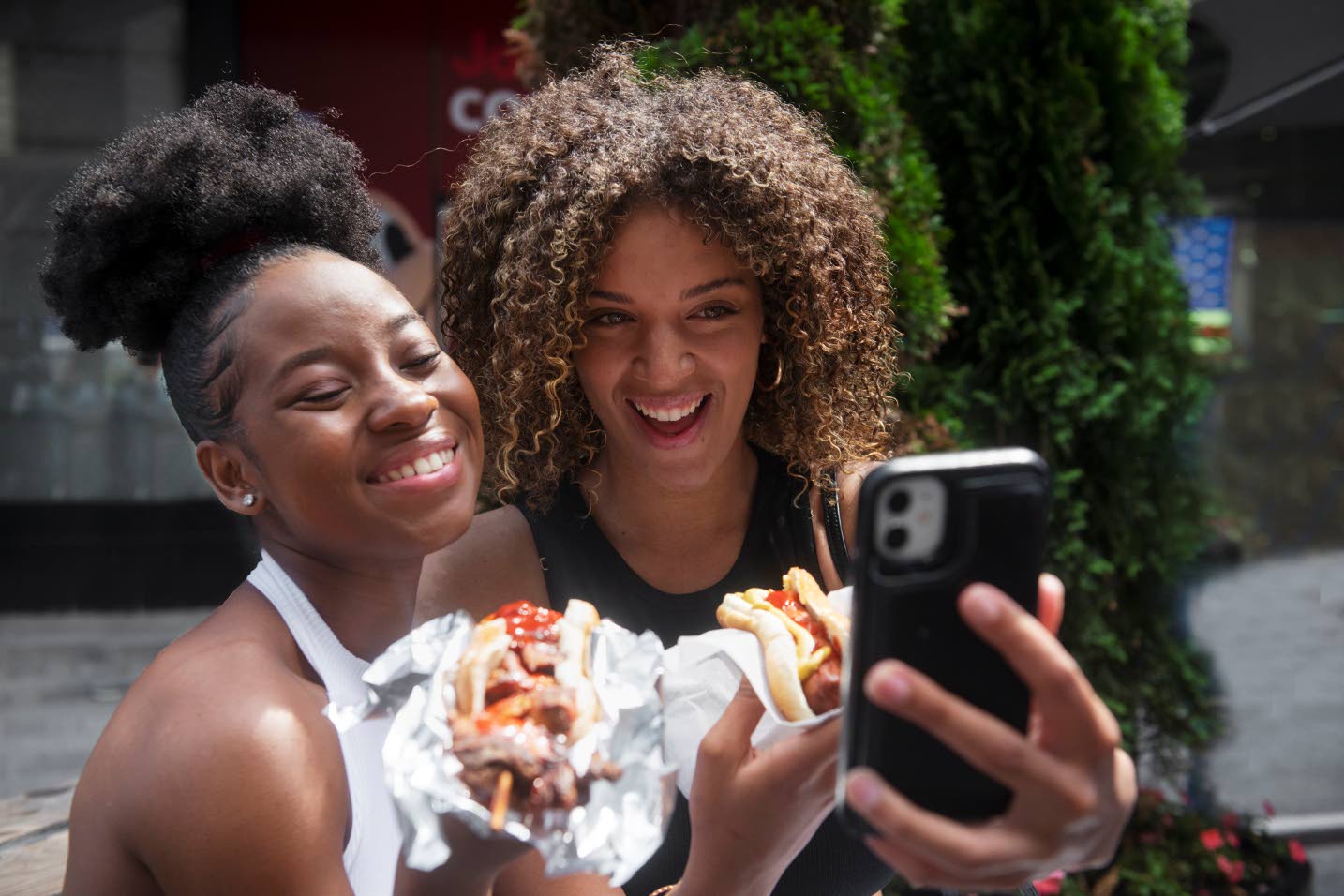
The rise of content creation brings an additional layer of risk to food handling. To capture the perfect shot, food is often left exposed for extended periods, leaving it vulnerable to environmental contaminants, respiratory spray from those speaking nearby, and incidental contact.
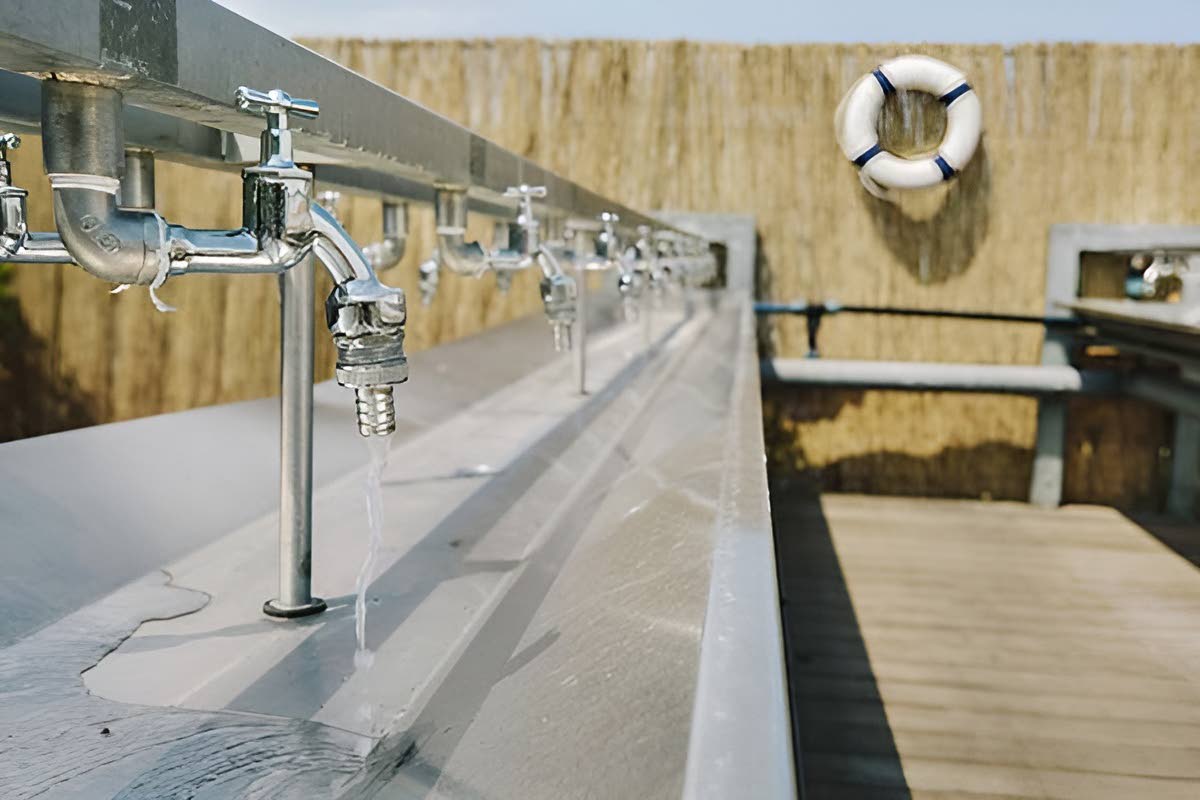
Limited access to potable water is a major hurdle for festival hygiene, leading to inadequate handwashing and the reuse of soiled utensils. Any lapse in these standards escalates the risk of contamination.


