



Caution is necessary, not fear
Dr Damien King’s warning about the “resource curse” is a serious and intellectually grounded contribution to the national discussion on a potential oil find in Jamaica. It reminds us that natural resource wealth, if poorly managed, can undermine institutions, distort economies, and weaken governance.
This concern is real, and no responsible policymaker or citizen should dismiss it. However, the conclusion that Jamaica should hope never to discover commercially viable oil does not fully account for the strength of Jamaica’s current leadership and the institutional progress the country has made in recent years, particularly under the leadership of Prime Minister Dr Andrew Holness and his Administration.
The fundamental issue is not whether oil is inherently dangerous. The issue is whether Jamaica, as it stands today, has the leadership, discipline, and governance framework to manage such a resource responsibly. And, on this point, there is a strong case to be made that Jamaica is far better positioned now than at any other time in its modern history.
Over the past several years, the country has undergone a quiet but significant transformation in how it manages its economy and public affairs. Under Prime Minister Holness, the country has demonstrated a level of fiscal discipline that was once thought unattainable. Debt-to-gross domestic product (GDP) ratios have been steadily reduced, macroeconomic stability has been strengthened, and Jamaica has built a reputation internationally as a country that honours its commitments and manages its finances prudently. These are not abstract achievements, they are the very foundations required to manage complex economic opportunities, including natural resource wealth.
Strong leadership is not simply about rhetoric; it is about systems, accountability, and consistency. The Holness Administration has placed considerable emphasis on strengthening public institutions, improving transparency, and modernising governance structures. From reforms in public financial management to increased digitisation of government services, the direction has been clear: build a State that is more efficient, more accountable, and less vulnerable to the kinds of weaknesses that fuel the so-called resource curse.
It is also important to recognise that Jamaica operates within a democratic framework with active oversight mechanisms. The auditor general, the Integrity Commission, the Public Accounts Committee (PAC), and the Public Administration and Appropriations Committee (PAAC) all play critical roles in scrutinising government actions. These institutions are not perfect, but they are functional, active, and increasingly assertive. Their existence and willingness to engage provide an additional layer of protection against the mismanagement of national resources.
To suggest, therefore, that Jamaica should avoid oil discovery out of fear is to overlook this progress and ignore the fact that the country has been deliberately building the very safeguards that economists say are necessary to avoid the resource curse. Strong leadership does not mean pretending risks do not exist; it means putting the structures in place to manage those risks effectively.
Prime Minister Holness’s approach to governance has consistently emphasised long-term planning over short-term gain. Initiatives around economic growth, infrastructure development, housing, and national security all reflect a broader vision of development. This kind of leadership is precisely what is required if Jamaica is ever to manage a significant natural resource responsibly. It is leadership that prioritises stability, encourages investment, and understands the importance of institutional strength.
Moreover, Jamaica’s current trajectory suggests a country that is increasingly confident in its ability to manage complexity. Whether it is navigating global economic shocks, responding to natural disasters, or maintaining fiscal discipline in challenging circumstances, the Government has demonstrated resilience and adaptability. These are critical attributes for any nation considering how to handle resource wealth.
This is not to say that Jamaica should rush headlong into oil exploration or extraction without careful consideration. Caution is necessary. Environmental protection must be paramount. Legal frameworks must be airtight. Revenue management systems, such as a sovereign wealth fund, must be established to ensure that any benefits are preserved for future generations. Transparency must be absolute, and public trust must be maintained at every stage.
But caution is not the same as avoidance. A mature, confident nation does not shy away from opportunity because of potential risks. Instead, it prepares, plans, and positions itself to manage those risks effectively. Under the current leadership, Jamaica has shown that it is capable of doing exactly that.
There is also a broader strategic consideration. Jamaica’s development goals require sustained investment in infrastructure, health care, education, and technology. These investments demand resources. While the country has made commendable progress in managing its finances, additional revenue streams could accelerate national development in meaningful ways. If oil or any other natural resource can contribute to this progress within a strong, transparent, and accountable framework, it should not be dismissed outright.
Respectfully, the narrative that Jamaica should “leave oil alone” risks underestimating both the country’s progress and its potential. It implies that the risks are insurmountable, the institutions are too weak, and the leadership is incapable of managing complexity. This characterisation does not align with the evidence of the past decade.
Under Prime Minister Holness and his team, Jamaica has demonstrated that it can make difficult decisions, maintain discipline, and build stronger institutions. These are exactly the qualities needed to ensure that any future resource discovery becomes a blessing rather than a curse.
The conversation, therefore, should not be framed as a binary choice between exploitation and abandonment. It should be framed as a question of preparedness and governance. Are we willing to continue strengthening our institutions? Are we prepared to put in place the legal, financial, and environmental safeguards required? Are we committed to transparency and accountability at every level?
If the answer to those questions is yes — and current trends suggest that it is — Jamaica should not fear opportunity. It should be ready for it.
In the final analysis, natural resources do not determine a country’s destiny. Leadership does. And Jamaica, under its current leadership, has shown that it possesses the capacity to choose wisely.
kristophe60@hotmail.com
Dr Damien King.
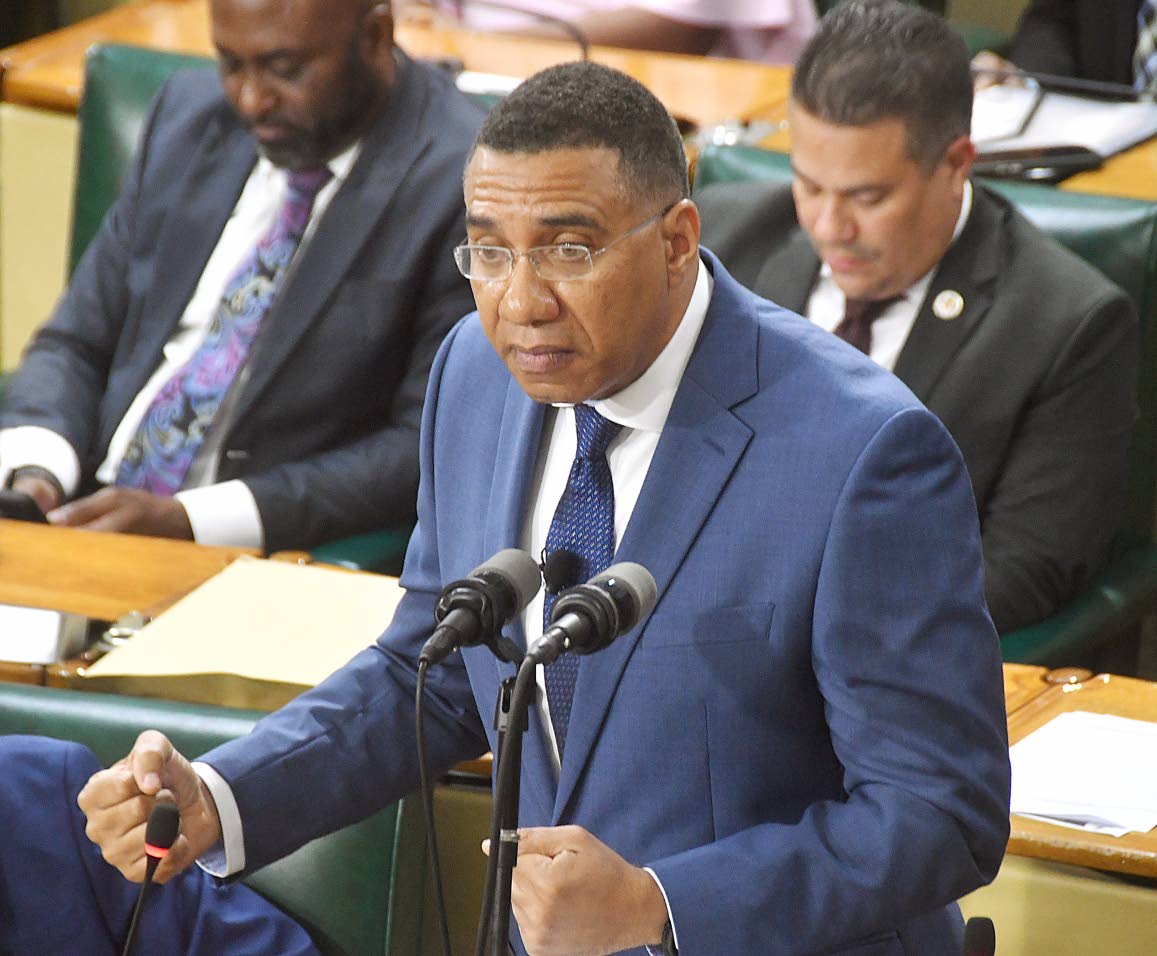
Dr Andrew Holness (Photo: Garfield Robinson)


