



Sigh of relief!
Shortage of injectable contraceptives in public health system eases
A recent disruption in the supply of injectable contraceptives in the public health system, which saw some women paying out of pocket to fill prescriptions, has reportedly eased.
Checks by the Jamaica Observer at clinics in the Corporate Area — including Maxfield Park Health Centre and the Slipe Pen Road Comprehensive Health Centre in Kingston — on Friday revealed that the method is once again being administered to women.
“I came before and they didn’t have it, and I came back today and got it. It’s the first time this is happening to me. Normally, I come and get the injection, and it’s fine. They asked me if I wanted to buy it or take the pill. I decided to take the pill but it made me feel bad, so I stopped taking it,” a woman at the Slipe Pen Road Comprehensive Health Centre told the Observer.
The woman, who asked that her name not be used, received the injection on Friday, and said those who opted to purchase the contraceptive method were given prescriptions to fill at pharmacies at a cost of $4,100.
“They said it wasn’t in the country at the moment. They said they didn’t have any in stock, but I feel like they are trying to cut it out. Christopher Tufton say the birth rate is low, so he wants people to have more children, but when people have children they are not getting good care in hospitals or proper food. I just had a baby; my baby is 10 months old. The food they give you as a new mother doesn’t make sense. It can’t fill you, and yet they want you to have more children,” the mother added.
Another mother at the health centre said she also faced similar challenges accessing the service last month and opted to take the pill.
“Last month when I came, they were saying it hadn’t arrived as yet, so we had to wait for a period of time. There were options to purchase it or take the pill. Some persons purchased it; I took the pill because I didn’t have any money to buy it,” she said, adding that the contraceptive pill increased her appetite.
A public health nurse at the facility confirmed that there was a disruption in supplies for the month of March due to delays in orders.
“For the past two weeks, patients have been receiving their method,” the nurse said.
At the Maxfield Park Health Centre, Teresa McKenzie, a mother who accessed the service along with her sister, said financial considerations play a major role in women turning to clinics to seek the contraceptive method.
“It’s mostly financial reasons for me because right now I am not working, and being at home, it’s really hard on my partner to provide everything. Having children, when they are very young it’s difficult to find food and, eventually, to afford school. Taking care of children is more manageable this way,” she said.
Dr Julia Rowe-Porter, director of the Family Health Unit (FHU) in the Ministry of Health and Wellness, said the National Health Fund (NHF) has not confirmed that there has been a stock-out at its central storage facility but noted that order management challenges have resulted in stock-outs at its local facilities.
“I liaised with the regions last week. While the National Health Fund has indicated that there are no stock-outs at central storage, there have been order management changes that cause stock-outs at the facility level. The FHU is in dialogue with the NHF and regional health authorities to rectify this matter,” she said.
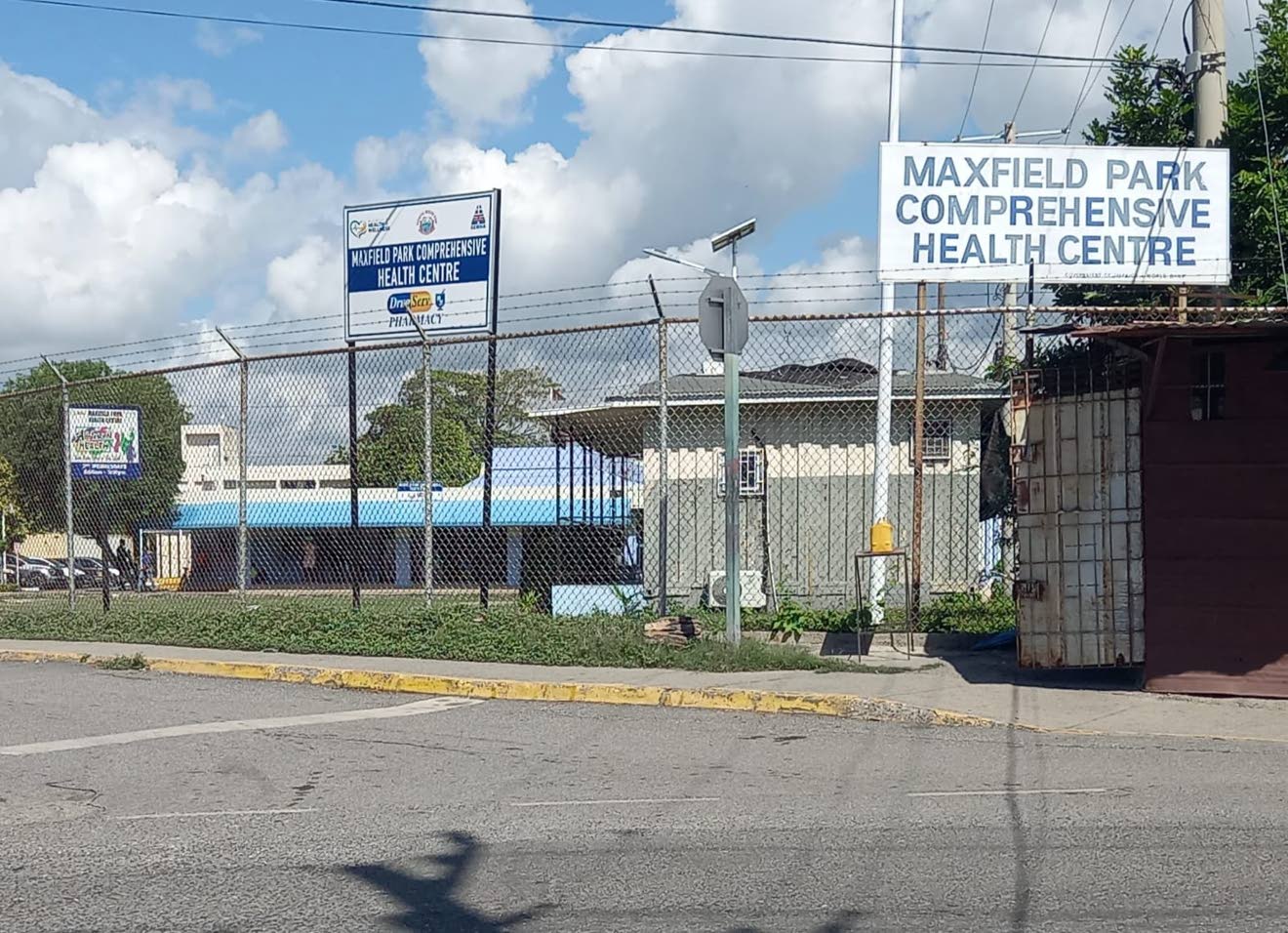
At the Maxfield Park Comprehensive Health Centre, women who access the injectable contraceptive service said financial considerations play a major role in using the clinic to seek the birth control method.


