



June 2 showdown
PAC gives no-show UHWI execs deadline to appear
THE Public Accounts Committee (PAC) on Tuesday signalled that it will move to formally compel the attendance of the current and former chief executive officers of the University Hospital of the West Indies after both men failed to appear on Tuesday. They have set a June 2 date for the men to appear.
Committee members also raised concerns about the outdated penalties for defying Parliament.
The dramatic turn at Gordon House came as the PAC continued its examination of troubling findings raised in a recent Auditor General’s report into the operations of the University Hospital of the West Indies. During the committee’s last sitting on April 14, current CEO Fitzgerald Mitchell, former CEO Kevin Allen and former board chairman Wayne Chai Chong were asked to appear before the committee after acting CEO Eric Hosin and other current UHWI officials were unable to adequately answer several questions raised by legislators.
According to committee chairman Julian Robinson, Mitchell had informed the committee through the hospital board chairman that he would not attend on the advice of his lawyer, while Chai Chong indicated that he was overseas and would instead be available to appear on May 12. Allen, who had earlier indicated that he would attend the sitting, failed to appear without any explanation being provided to the committee.
Robinson told members that Mitchell’s absence, particularly without any formal written explanation being submitted to Parliament, was unacceptable given the seriousness of the issues now under review by the committee.
“If his lawyer has a reason for him not attending, then that should be provided to the committee so that we can determine how to proceed, but to not have anything provided to us at all, particularly for the current CEO who’s still in the employ of the university and the state and still earning a salary, that I just find inexcusable. And the Parliament actually followed up and made requests — having gotten a notice from the chairman — for that to be provided, and up to now nothing has been provided,” he expressed.
He said Parliament had since consulted its legal department to determine the procedure available when individuals invited before a parliamentary committee fail to attend, before turning to provisions of the Senate and House of Representatives Powers and Privileges Act.
Reading from section five of the legislation, Robinson explained that parliamentary committees have the authority to compel witnesses to appear and give evidence.
“Either house or any standing committee may, subject to the provisions of section nine and section 12, order any person to attend before such house or before such committee and to give evidence or to produce any paper, book, record, or document in the possession or under the control of such person,” Robinson read.
He then moved to Section 18 of the Act, which outlines the penalties for failing to obey an order made by Parliament or one of its committees. Robinson noted that the legislation provides for a fine “not exceeding $200” or imprisonment for up to 12 months for persons found guilty of disobeying a parliamentary order.
In the meantime, legislative counsel for the Houses of Parliament Ashleigh Ximines explained that once the committee formally decides to issue a summons, the process would involve several stages inside Parliament before the documents are served.
She explained that under section six of the legislation, the order would first have to be communicated to the Clerk of Parliament, who would then notify the Speaker of the House. Following approval from the speaker, the summons would be prepared by the legislative counsel’s department before being physically delivered by a constable attached to Parliament or another authorised officer.
Senior Legislative Counsel Tiffany Stewart later clarified that any summons issued by the committee could not be vague or open-ended.
However, Robinson indicated that the PAC’s primary concern at this stage was not obtaining documents, but securing the attendance of the executives so they could answer questions directly.
“The main thing here is attendance, because as it relates to the documents, we have a report from the auditor general. Members have had over two meetings, to ask questions which the current team are unable to answer, and the committee felt it was important for the CEO who has been at the hospital for a very long period of time to assist the committee in getting answers to some of those questions. So it’s not so much documents, it’s attendance and answers to questions that the committee may have,” Robinson clarified.
Opposition MP Peter Bunting representing Manchester Southern backed the move to proceed with formal summonses and argued that persons called before Parliament should still attend even where concerns about self-incrimination exist.
“There are situations where a person summoned to give information can claim that they have a right against self-incrimination. That usually only arises in the case where some police investigation or prosecutorial investigation has arisen. But even so, they would then come and claim they should appear and then claim that right, or they’re advised that they can’t answer that question because it could be self-incriminating,” Bunting said.
“But to just not appear and ignore the first request and then the summons, I think it would be contemptuous, as you said, and would require some action,” he added.
Bunting also argued that Parliament should revisit the penalties contained in the law, saying the current fine was outdated and ineffective.
The committee later agreed to move ahead with the process to issue summonses for Mitchell and Allen to appear before the PAC in June as they continue their probe into the troubling findings and unresolved questions raised in the Auditor General’s report on the operations and management of the UHWI.
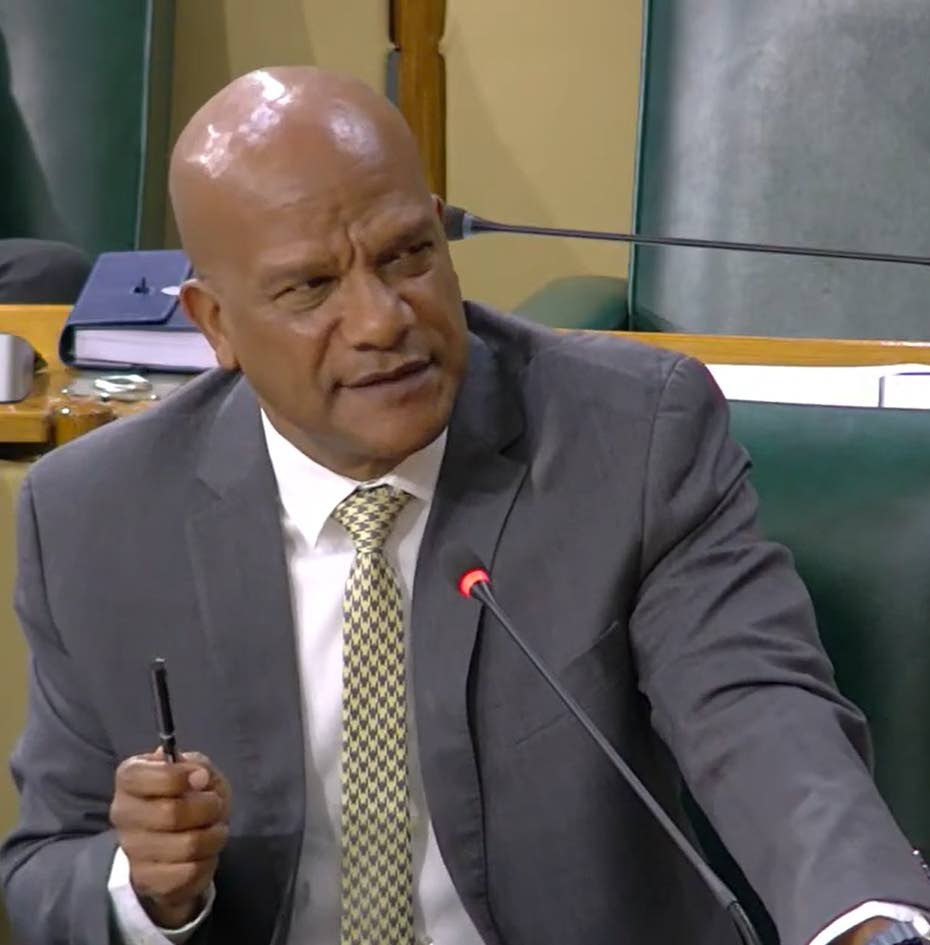
BUNTING… backed the move to proceed with formal summonse.


