



Supermarket Safety Blind Spots (Part 2)
Food safety communicator Allison Richards continues to uncover supermarket food safety blind spots that are often missed.
Shopping Carts and Baskets (Indirect Food Contact Surfaces)
Shopping carts and baskets are often overlooked in discussions of food safety, yet they play a significant role as indirect food contact surfaces. These items come into contact with a wide range of contaminants, including leaking raw meat packaging, unwashed hands, and environmental debris.
Because carts and baskets are used repeatedly throughout the day with little to no cleaning between users, they can accumulate contaminants over time. When consumers place food items — particularly ready-to-eat products — into these carts, there is potential for indirect transfer of micro-organisms onto food packaging or exposed items.
While these surfaces may not be traditionally classified as direct food contact surfaces, their role in the contamination chain should not be underestimated, particularly in high-volume retail settings.
Ice Machines and Ice Scoops
Ice is frequently overlooked as a food item, yet it is consumed directly and therefore must be handled with the same level of care as any other ready-to-eat product. Ice machines, if not properly maintained, can become reservoirs for microbial growth, particularly in areas where moisture is consistently present.
The interior surfaces of ice machines can develop biofilms, which protect bacteria from cleaning agents and allow them to persist over time. Additionally, improper handling of ice scoops — such as storing them inside the ice bin or allowing handles to come into contact with the ice — can introduce contaminants directly into a product that is consumed without further processing.
Given that there is no subsequent step to eliminate pathogens in ice, any contamination at this stage presents a direct risk to consumers.
Hot-Food Serving Utensils
Hot food service areas, particularly those involving self-service or buffet-style set-ups, rely heavily on shared utensils such as tongs and serving spoons. These utensils are frequently handled by both staff and customers, often without adequate cleaning between uses.
Repeated contact with multiple food items increases the risk of cross-contamination, including the transfer of allergens between dishes. Additionally, utensils may inadvertently come into contact with surfaces or fall into food, further increasing the risk of contamination.
Although the food itself may be held at safe temperatures, the utensils used to serve it can become a point of contamination if not properly managed and replaced at appropriate intervals. Another common contamination risk is exposing food to utensil handles previously handled by persons. Care must be taken to ensure that utensil handles are kept out of food.
Checkout Conveyor Belts
Checkout conveyor belts represent one of the most overlooked indirect food contact surfaces in retail environments. These surfaces are exposed to a wide variety of items, including raw food packaging that may leak, as well as non-food items such as cleaning products and personal belongings.
Despite this, conveyor belts are rarely cleaned between customers, allowing contaminants to accumulate throughout the day. When food items are placed directly onto these surfaces, there is potential for transfer of micro-organisms onto packaging or, in some cases, directly onto food.
The risk is subtle but significant, particularly in situations where consumers are unaware of the potential for contamination at this final stage of the retail process.
Conclusion: Retail as a Critical Control Point
Food safety does not begin in the kitchen, nor does it end at the factory. Retail environments represent a critical control point in the food chain — one that is often underestimated.
Food contact surfaces, whether direct or indirect, play a central role in the spread of contamination. Their impact is influenced not only by their design and use, but by how consistently and effectively they are cleaned and sanitised.
The distinction between what appears clean and what is truly sanitary is critical. Without proper cleaning protocols, staff training, and monitoring systems, these surfaces can become hidden sources of risk in otherwise well-maintained environments.
Ultimately, improving food safety in retail requires a shift in focus — one that recognises the importance of surfaces not just as part of the environment, but as active participants in the safety of the food we consume.
About the Author
Allison Richards is a food safety communicator, certified trainer and the founder of The Food Safety Girl, a consumer awareness platform promoting food safety in Jamaica and the Caribbean. She is the Caribbean Chapter Director for Women in Food Safety (WIFS) and host of The Big Bite Food Safety Show. With over 14 years of experience in food safety regulation, she is committed to public education and consumer empowerment. Through public education initiatives, including free community webinars, she continues to create space for learning, dialogue, and practical food safety awareness.
Allison Richards | thefoodsafetygirlja@gmail.com-
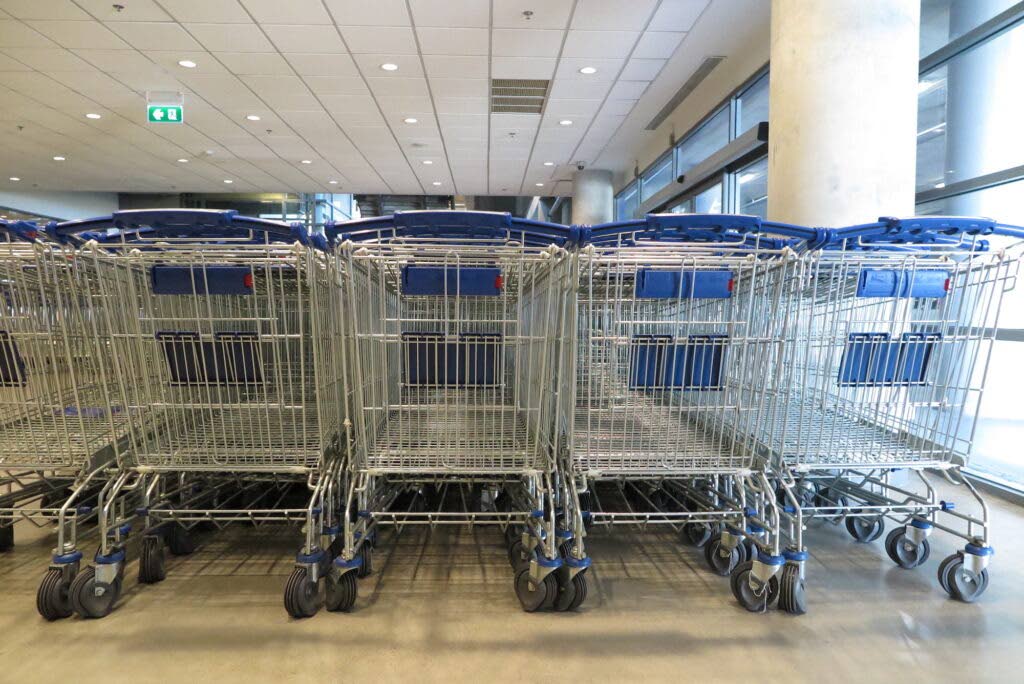
Often overlooked, shopping carts are critical indirect food contact surfaces. Between unwashed hands and leaking raw meat, these high-touch tools can accumulate contaminants over time. –
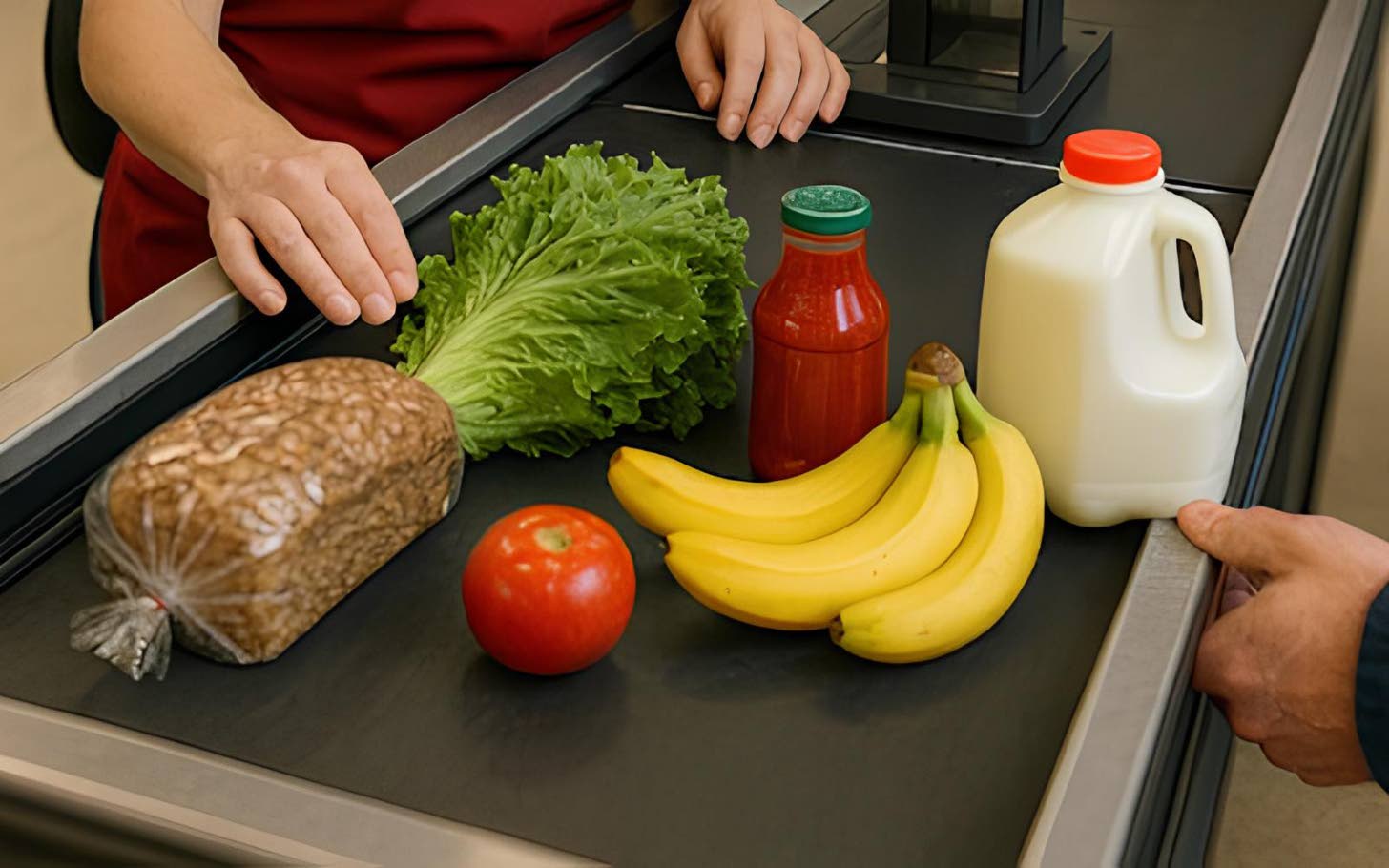
Often the final link in the retail chain, checkout belts are critical yet neglected indirect food contact surfaces. Without sanitisation between customers, these belts become a landing strip for pathogens, facilitating a silent transfer of bacteria to groceries.-


