



New dairy rules aim to close loopholes
The Senate on Friday passed amendments to Jamaica’s milk industry laws that could allow products containing as little as five per cent milk solids to legally qualify as dairy products.
They also approved a Bill aimed at giving conch exporters greater flexibility in paying levies tied to export licences and health certificates
While both pieces of legislation were ultimately passed without amendment, concerns were raised surrounding the Bill to amend the Jamaica Dairy Development Board Act, 2026, as Opposition Senator Allan Bernard warned that the changes could weaken Jamaica’s food standards, blur the definition of authentic dairy products, and open the market to heavily processed imported substitutes.
Piloting the debate on the Bill during Friday’s sitting, Government Senator Aubyn Hill argued that the legislation was intended to modernise Jamaica’s dairy industry, close regulatory loopholes, and expand the legal definition of milk.
“International trends have shown that milk is no longer confined to milk from cows or cattle. For example, in the United States of America and in Canada, there have been increased contributions to their dairy products by way of milk from goats and sheep, in other words, small ruminants,” Hill told the Senate.
The legislation also lowers the threshold required for a product to qualify as a dairy product from more than 50 per cent milk solids to five per cent, a move Hill argued is necessary to tighten regulation and bring more imported products under oversight.
“The 50 per cent threshold, modified after the EU regulations, proved to be too high and has also created a loophole that allows a wide range of products containing significant amounts of imported milk products to bypass this threshold entirely. To create a clear, consistent regulatory framework in Jamaica, we are establishing a five per cent milk solid content threshold for set purposes in relation to the trade of milk products and milk by-products,” he added.
But Opposition Senator Allan Bernard strongly challenged the amendments, arguing that the legislation risked weakening Jamaica’s dairy standards rather than strengthening local production.
He warned that the amendments could benefit importers of heavily processed substitutes while undermining local dairy farmers already struggling with rising feed, land and energy costs.
The Opposition senator also raised concerns about the broad wording used in the legislation’s expanded definition of milk.
“Jamaicans will legitimately ask, what exactly does any animal mean? What limitations exist? What protections are established? And who determines what may ultimately enter the Jamaican food chain under the label of dairy?” he asked.
Hill later rejected those criticisms, insisting Bernard had misunderstood the purpose of the amendments.
“Senator Allan Bernard, my friend, you got it all wrong,” Hill responded.
He argued that the lower threshold would actually expand regulation by ensuring more imported products fall under dairy oversight and cess requirements.
“…Anything over five per cent has to be classified as a milk product, and which means, therefore, that anything that is coming in…has to get…permission and has to be classified as a milk product,” Hill said.
The Senate also approved the Conch (Export Levy) (Amendment) Act, 2026. According to Hill, the legislation was designed partly to ease burdens on exporters during periods of disruption.
“The rationale for this amendment is that, in the event of a disruption in the fishing season, for instance severe weather conditions and or other external trade factors, this enlarged period would provide adequate time for an exporter of conch to make the relevant payment of the levy,” he explained.
The amendments will now allow the minister to authorise instalment payments, extend payment periods for up to 12 months and waive or reduce levies under certain conditions based on recommendations from fisheries authorities.
Leader of Opposition business in the Senate Donna Scott-Mottley supported the Bill but used the debate to raise concerns about illegal fishing, overfishing and the effectiveness of the Fisheries Management and Development Fund.
Hill responded that the Government had strengthened maritime enforcement partly through increased coast guard capacity.
“One of the things that the Andrew Holness Administration has done in the fight to bring down our crime rate is to bring in many more coast guard vessels that are very well armed. It has affected the policing of vessels that used to be in our waters and poaching away our fish, and so while we fight crime on the land, we also have coast guards and assistance to make sure we see that illegal fishing is reduced. No country really is going to get rid of illegal fishing…but what we have to do is make sure we reduce the level — and that is a continuing work,” Hill added.

HILL…to create a clear, consistent regulatory framework in Jamaica, we are establishing a five per cent milk solid content threshold for set purposes in relation to the trade of milk products and milk by-products (Photo: JIS File)
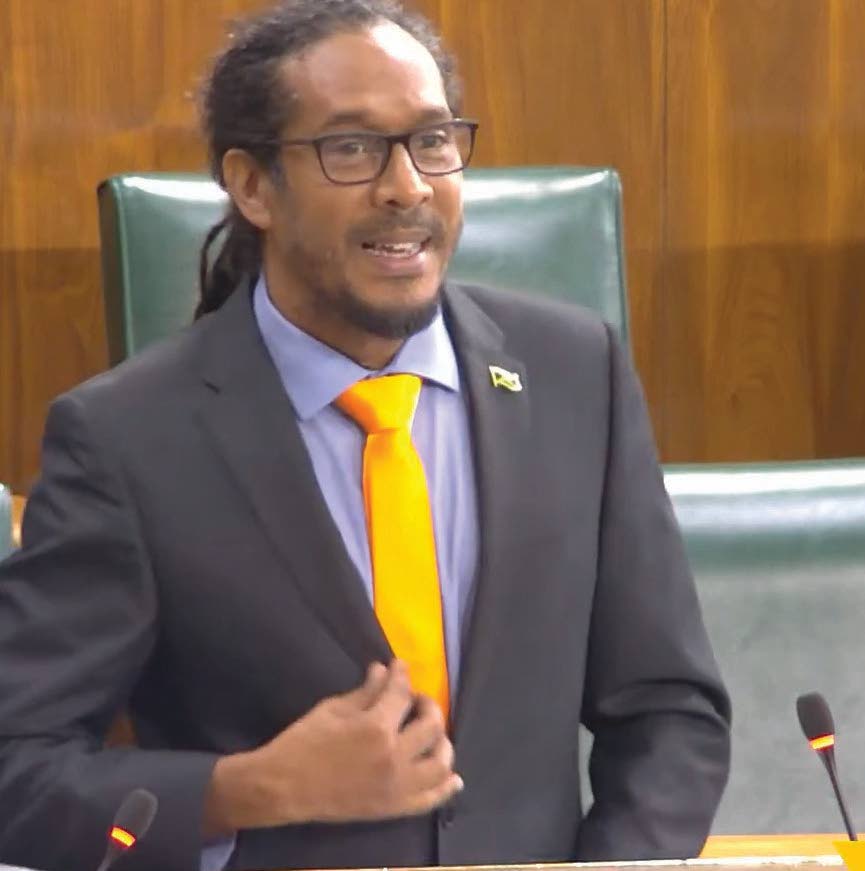
BERNARD…Jamaicans will legitimately ask, what exactly does any animal mean?
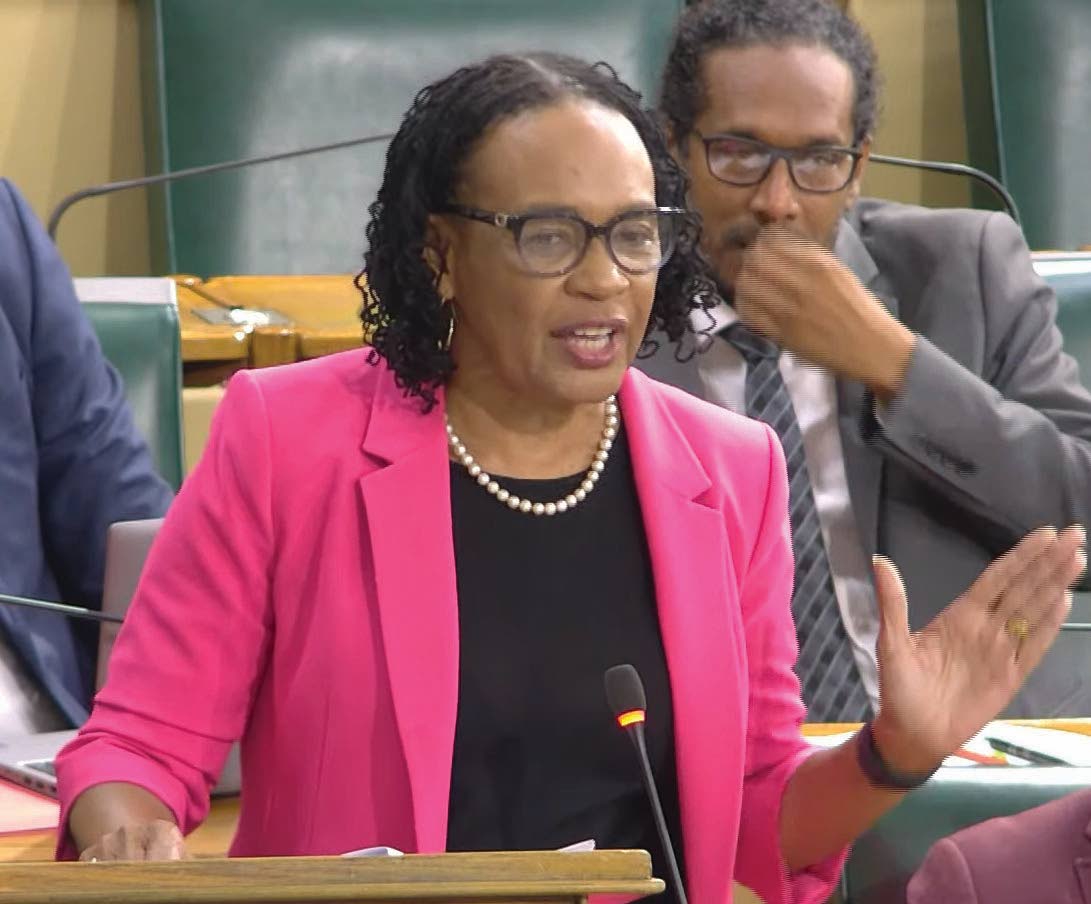
SCOTT-MOTTLEY…raised concerns about illegal fishing and overfishing


