



Blending Traditions: Planning a Multicultural Wedding in 2026
You may be Jamaican and your fiancé may come from another cultural background. Or perhaps both of you were raised with different traditions, religions, or family customs. Either way, your wedding is more than a celebration of love — it is the joining of two stories, two families, and sometimes two faiths.
The question many couples face is: How do you honour both backgrounds without making either feel overlooked or watered down?
Multicultural weddings are becoming increasingly common, and beautifully so. As travel, international careers, and digital connection continue to bring people together across borders, more couples are choosing to celebrate love in a way that reflects their individual identities as well as their shared future. When planned with care, these weddings can become some of the most personal, meaningful, and memorable celebrations.
Traditionally, many couples would choose to host two separate weddings — one cultural ceremony and another religious or traditional celebration. That approach still works well today, especially when certain rituals are sacred, lengthy, or cannot be altered. However, many modern couples are now choosing a more integrated experience: One thoughtfully designed celebration that blends both cultures in a seamless and respectful way.
The first step is to carefully consider what works best for you. Would two separate ceremonies feel more authentic, or would one combined celebration better reflect your relationship? Think about logistics, family travel, visa requirements, destination plans, timing, and budget. In 2026, multi-day wedding weekends are also becoming more popular, especially in destinations like Jamaica. Couples may choose to highlight one culture during a welcome dinner, another during the ceremony, and both during the reception.
Honouring both cultures starts with intention. Look for meaningful ways to include traditions throughout the wedding experience — from the ceremony format and music to the menu, attire, décor, rituals, and entertainment. For example, you might feature a Jamaican mento band during cocktail hour, include a ceremonial ritual from another culture during the vows, or serve a menu that represents both families. Food is one of the most powerful ways to tell a cultural story, whether through signature cocktails, tasting stations, family recipes, or late-night bites inspired by childhood memories.
Communication is also essential. Multicultural weddings can bring strong emotions, especially when families feel protective of their traditions. Have open conversations early with each other and with key family members. Discuss religious expectations, dress codes, important rituals, and any customs that must be preserved. At the same time, be honest about what is realistic based on your budget, venue, timeline, and overall vision. The goal is not perfection — it is balance.
As a couple, take time to identify your true must-haves. Before trying to please everyone else, decide what matters most to both of you. Is there a particular blessing you want included? A traditional dance? A sacred garment? A family heirloom? A specific song or meal? Once you know your non-negotiables, the rest of the celebration can be built around those meaningful anchors.
It is also perfectly acceptable to host two ceremonies if combining traditions feels forced. Sometimes separating the events allows each culture or faith to be honoured more fully and authentically. Just remember that multiple events usually require more planning, more time, and a larger budget. With rising travel costs and evolving guest expectations, careful financial planning is key.
Guest communication is another important part of the process. Your invitations, wedding website, or digital itinerary should clearly explain the dress code, religious customs, ceremony expectations, and timeline of events. This is especially helpful if guests will be attending traditions that are unfamiliar to them. In 2026, QR-coded invitations, wedding websites, and private wedding apps make it easier than ever to guide guests respectfully and clearly.
Finally, work with an experienced wedding planner. Every wedding has many moving parts, but multicultural weddings often involve additional layers of coordination. This may include working with different clergy, managing multiple outfit changes, sourcing specialty décor, balancing ceremonial timing, and ensuring that each tradition is represented with care. A planner who understands multicultural weddings brings more than organisation — they bring cultural sensitivity, practical guidance, and attention to nuance.
At its heart, a multicultural wedding is about unity, not uniformity. It is a celebration of where you both come from and the life you are choosing to build together. With thoughtful planning, honest communication, and intentional details, your wedding can be more than beautiful — it can be deeply meaningful.
Shikima Hinds
Managing Director
Shikima Hinds Events Concierge
Tel. 876-925-4285 or 876-361-0910
email: shikima@shikimahinds.com
www.shikimahinds.com
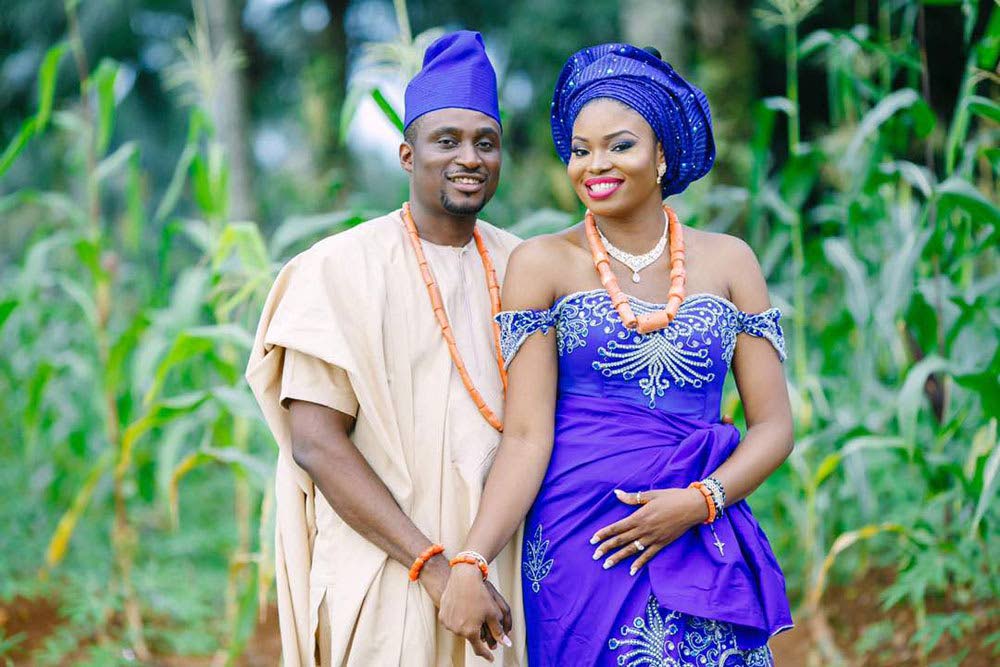
Planning a multi-cultural wedding starts with intention. From the attire to the music, look for authentic ways to weave cultural rituals and décor throughout the wedding experience.
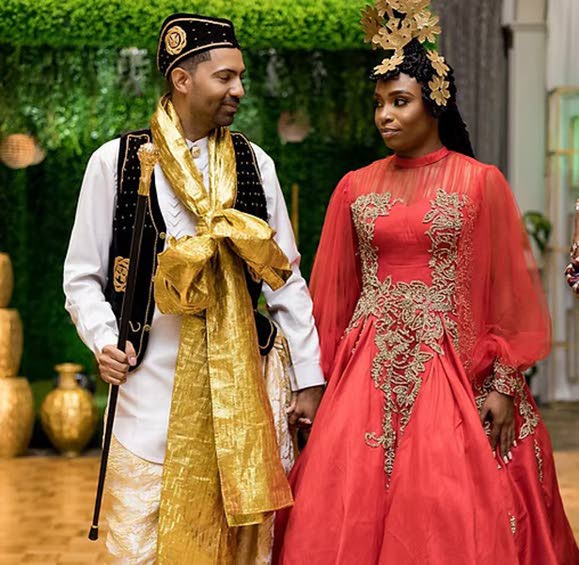
If merging traditions feels strained, hosting two ceremonies allows each to shine authentically. It’s a graceful solution, provided you’ve accounted for the additional time, planning, and budget required.


