



Fathers who father deserve to be celebrated
Mother’s Day in Jamaica is often celebrated with tremendous fanfare. Restaurants are fully booked, social media timelines overflow with tributes, and communities go out of their way to honour mothers. Father’s Day, by comparison, tends to pass with much less attention.
While many fathers themselves may not seek public recognition, perhaps our muted observance of Father’s Day reflects a deeper issue: Fatherhood remains one of Jamaica’s most underappreciated and misunderstood social institutions.
The reality is that Jamaica and the wider Caribbean have long grappled with the issue of absent fathers. Research across the region has repeatedly shown that father absence can have profound consequences for children and society. Children who grow up without meaningful paternal involvement are often more likely to experience behavioural difficulties, emotional insecurity, lower educational outcomes, and challenges in forming healthy relationships. Young boys, in particular, may struggle with identity formation and positive models of masculinity, while girls may experience difficulties in developing trust and relational stability.
Of course, father absence does not automatically doom a child to failure. Many single mothers, grandparents, and extended family members have raised exceptional children despite tremendous odds. Yet acknowledging their remarkable efforts should not prevent us from having an honest conversation about the importance of fathers. A society that normalises paternal disengagement ultimately pays the price through cycles of social instability, youth violence, school disengagement, and fractured family relationships.
Fortunately, this is not the entire Jamaican story.
Across our island are countless fathers who quietly and consistently show up for their children every day. They attend parent-teacher meetings, sacrifice to pay school fees, wake up early to take their children to football practice, read bedtime stories, provide emotional support, and teach values of honesty, discipline, and respect. Some biological fathers remain actively involved despite difficult circumstances, while many stepfathers, uncles, grandfathers, mentors, and community leaders have courageously embraced fatherly roles for children who are not biologically their own.
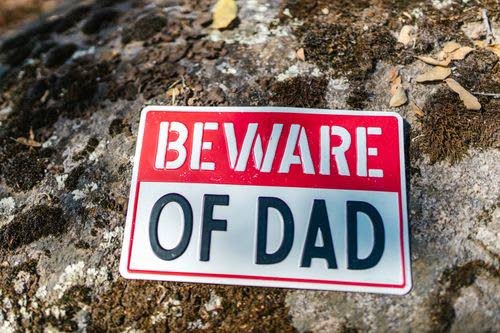
Children who grow up without meaningful paternal involvement are often more likely to experience behavioural difficulties and emotional insecurity.
These men deserve to be celebrated.
Fatherhood is far more than financial provision. Children need fathers who are emotionally available, physically present, and actively engaged in their lives. They need men who listen, affirm, encourage, and model healthy expressions of manhood. In a world increasingly characterised by uncertainty, children need fathers who can provide both guidance and stability.
The challenge, therefore, is not simply to celebrate fathers once a year, but to cultivate a culture that values responsible fatherhood throughout the year.
For men who wish to become better fathers, the steps are often simple but deeply significant.
First, and perhaps most importantly, good fathers are actively involved in their children’s lives. The notion that a father’s primary responsibility is merely financial provision is a misconception that must be dismantled. Children need their fathers — not just their fathers’ money. Presence, attention, and meaningful engagement often leave a more enduring impact than material support alone.
Equally important, good fathers teach their children — especially their sons — that it is acceptable to experience and express emotions in healthy and constructive ways. The persistent glorification of the “tough man” mentality often discourages children from discussing their struggles and vulnerabilities. When children do not feel emotionally safe at home, they may seek validation and acceptance elsewhere, potentially exposing themselves to harmful influences and situations of exploitation.
Good fathers also take responsibility for their mistakes. Research and experience consistently demonstrate that children learn more from what they observe than from what they are told. Children who witness their fathers avoiding accountability are more likely to replicate this behaviour in adulthood. Conversely, fathers who admit when they are wrong and apologise — even to their children — teach invaluable lessons about humility, integrity, and personal responsibility. They demonstrate that accountability is not a sign of weakness but a hallmark of strong character.
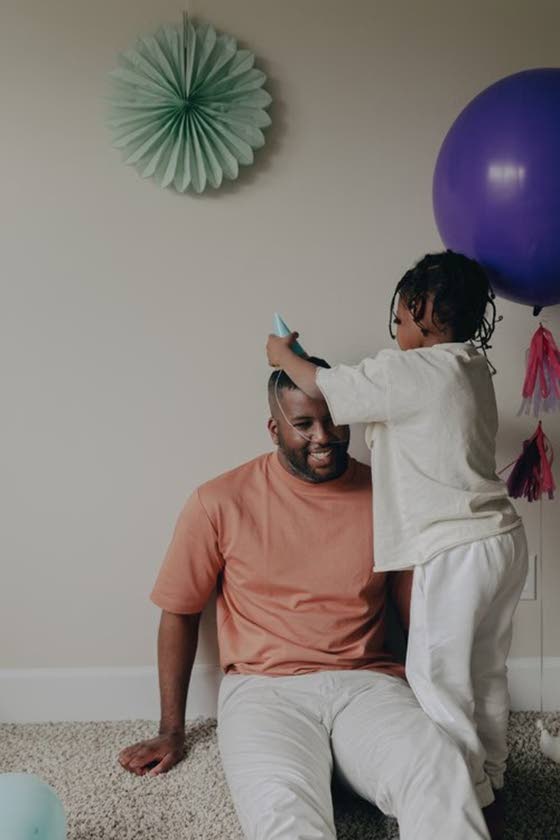
Fatherhood remains one of Jamaica’s most underappreciated and misunderstood social institutions.
Furthermore, good fathers discipline thoughtfully rather than react impulsively out of anger. Discipline should always aim to guide, correct, and teach — not to intimidate or inflict harm. This principle is particularly important for fathers, who are traditionally viewed as authority figures within the family. When discipline is administered in anger, it often breeds fear and resentment. A good father is not one who is feared, but one who is respected because his authority is exercised with fairness, consistency, and love.
Moreover, good fathers remain lifelong learners. They are willing to learn about their children, effective parenting practices, and the changing realities shaping young people’s lives. Children continually evolve as they progress through different developmental stages. What meets a child’s needs at four years old may be ineffective at 10 and entirely inappropriate at 16. Effective fatherhood, therefore, requires curiosity, adaptability, and an ongoing commitment to understanding and responding to a child’s changing emotional, social, and developmental needs.
Our institutions also have a role to play. Schools should actively encourage fathers’ involvement in children’s education. Churches and community organisations should create programmes that support and mentor fathers. Workplaces should recognise that fatherhood responsibilities are not secondary concerns, but important dimensions of family life and social well-being.
Next Father’s Day, perhaps we should move beyond the jokes about fathers receiving only a pair of socks or a simple greeting. Instead, let us reflect seriously on what fathers mean to our families and our nation. Let us honour the men who have chosen to be present, engaged, and loving. And let us challenge ourselves to create a society in which responsible fatherhood is not exceptional, but expected.
Because when fathers thrive, families become stronger. When families become stronger, communities become healthier. And when communities become healthier, Jamaica itself becomes stronger.
Send comments to the Jamaica Observer or maddenoniel@yahoo.com/ damariopatterson.law@gmail.com


