



Defiance and denial
SLB says some borrowers refuse to repay, others claim they didn’t know their loans had to be repaid
MEMBERS of Parliament’s Public Administration and Appropriations Committee (PAAC) were told on Wednesday that the Students’ Loan Bureau’s (SLB) delinquency rate stands at nearly 50 per cent, with Executive Director Nickeisha Walsh revealing that some beneficiaries simply refuse to repay their loans while others claim they did not know they were required to do so, among the factors driving the defaults.
Committee members, however, were quick to point to the other realities confronting borrowers — including underemployment, unemployment, further studies and personal hardship — arguing that the bureau should adopt a “softer touch” and do more to understand the circumstances of graduates struggling to repay through no fault of their own.
The issue emerged as the PAAC met with the bureau of the operations of the State-owned lending agency, with lawmakers probing the causes for an SLB delinquency rate that stood at 47.5 per cent as at March 2026, a figure Walsh acknowledged continues to pose one of the bureau’s greatest financial challenges.
Walsh explained that while the bureau lends billions of dollars each year to students pursuing tertiary education, its ability to continue doing so depends heavily on borrowers repaying their loans.
She disclosed that over the past five years, the bureau collected approximately $8 billion from loan repayments, earned another $3 billion through investment income, and received $3.2 billion in Government support, while lending approximately $20 billion to students.
Asked to explain why so many borrowers fall behind, Walsh presented a detailed breakdown of the bureau’s findings, identifying economic hardship, unstable employment, administrative challenges, borrower attitudes, personal circumstances and social behaviour as the principal causes.
Among the explanations, however, two stood out.
“Some students said that they didn’t know they must pay back the loan, and that is real. Some say that they don’t think that interest should have been incurring while they’re in school. Some believe that the repayment can be postponed indefinitely and some avoid engagement due to accumulative arrears or fear of collection agencies,” Walsh said.
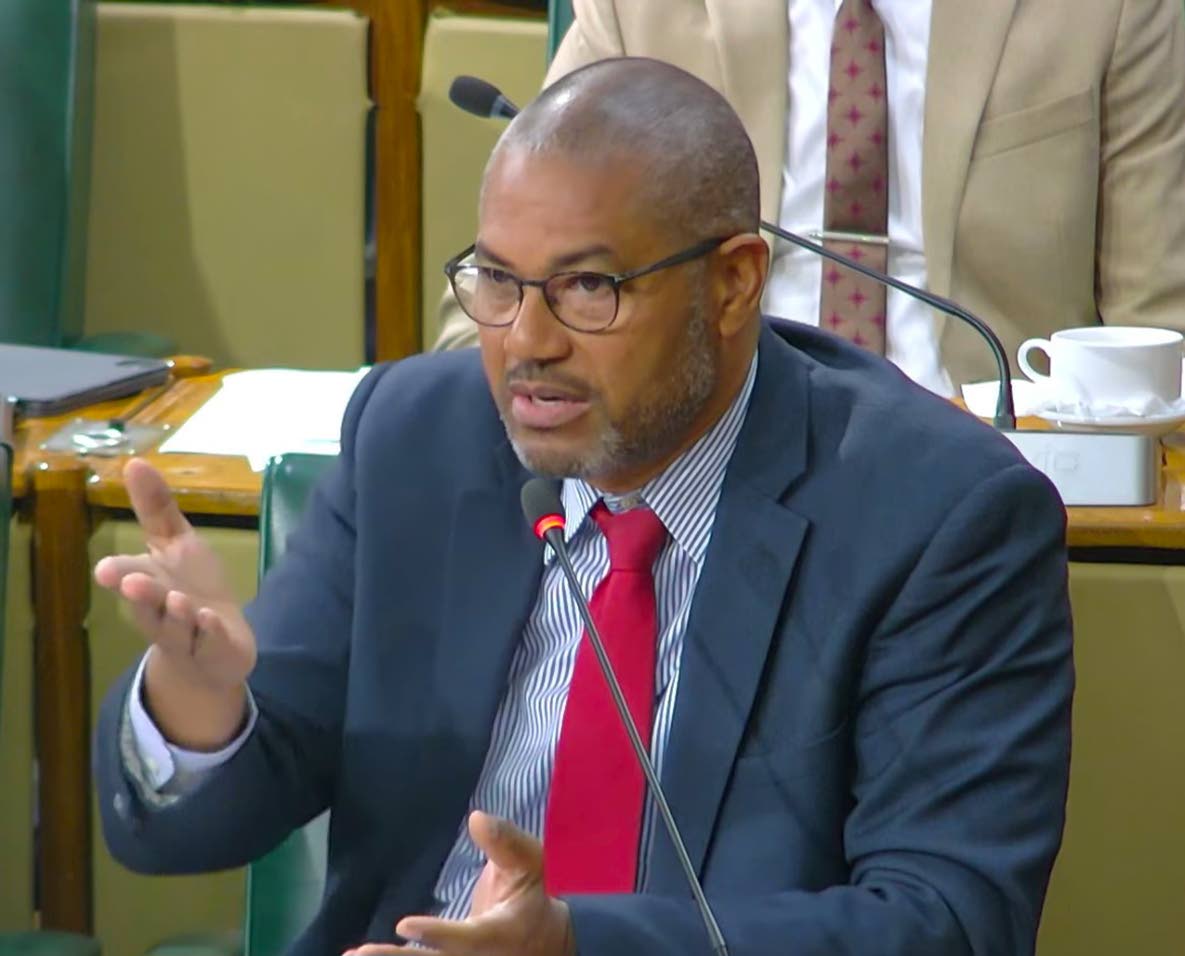
Member of Parliament for Manchester North Western Mikael Phillips contributes to Wednesday’s meeting of Parliament’s Public Administration and Appropriations Committee.
She also acknowledged that while many borrowers face genuine financial difficulties, others deliberately avoid meeting their obligations.
“Some of the feedback from the customers, sometimes it’s not even underpayment or not paying. Some students don’t want to pay. But for those who cannot pay, we say come into the office for us to make some arrangements. So it’s really case-by-case instances… I know there are customers who really cannot pay, but majority of the time, I can tell you, they don’t want to pay. Not even part of the repayment,” she told the committee.
Her comments prompted committee members to caution against viewing all delinquent borrowers through the same lens.
Member of Parliament for St Catherine South Eastern Dr Alfred Dawes argued that while some graduates undoubtedly refuse to repay, many others simply find themselves trapped by circumstances beyond their control.
Pointing to a constituent who sought permission to temporarily reduce monthly repayments while pursuing a master’s degree, Dawes questioned whether the bureau’s approach had become too inflexible.
“Maybe you need to look at having a social worker, somebody with a little bit of a soft human touch who can understand the individual circumstances that persons are going through. You cannot have it so rigid that you’re making so much money off interest payments, and you’re still having a high delinquency rate,” he said.
Walsh maintained that the bureau already makes accommodations where justified, noting that repayment plans, deferred payments and graduation-date extensions are available depending on individual circumstances.
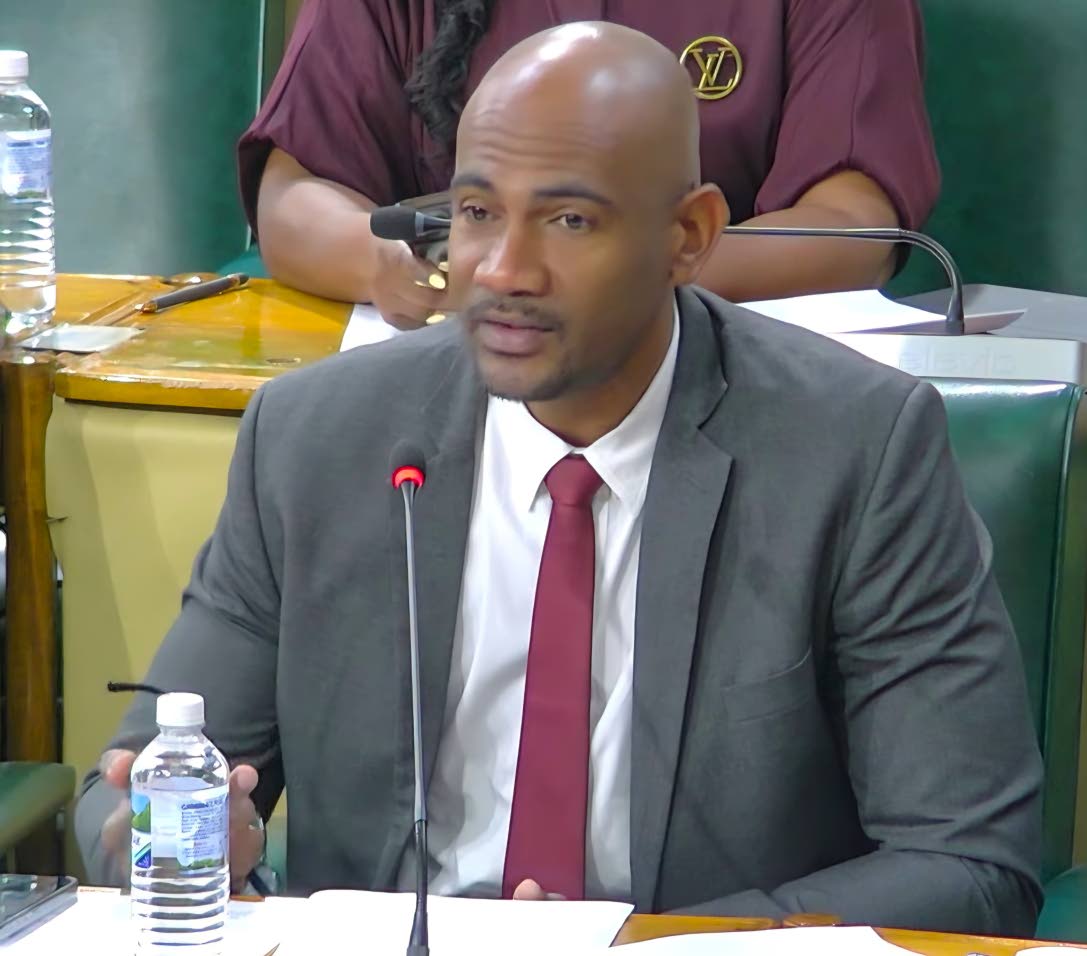
Member of Parliament for St Catherine South Eastern Dr Alfred Dawes addresses Wednesday’s sitting of Parliament’s Public Administration and Appropriations Committee.
Member of Parliament for Manchester North Western Mikael Phillips also urged the bureau to adopt a more empathetic approach, suggesting that many Jamaicans remain intimidated by the institution itself.
He further questioned why graduates often faced commercial-level interest rates despite the bureau’s social mandate.
Walsh responded that interest rates are reviewed annually based on economic conditions before recommendations are made to the responsible ministry.
Another concern raised during the meeting centred on the need to better distinguish between borrowers who are unwilling to pay and those who genuinely cannot.
Member of Parliament for St Mary Central Omar Newell argued that the bureau should analyse delinquency according to the reasons borrowers default so that different interventions could be developed.
He later added that, because the SLB functions as a social lender rather than a commercial institution, it should place greater emphasis on borrowers’ personal circumstances.
“If you’re doing social lending, then the social circumstances of your borrowers matter in terms of your collection drive. Because if you are using hard measures to collect from somebody who is unemployed and so delinquent because of some reason that will not allow them to pay, then in my mind it’s not the most efficient use of your time and your energy,” he argued.
Walsh accepted the recommendation, telling members the bureau had not yet carried out that type of assessment but was prepared to do so.


