



Manufacturers urged to embrace glass recycling
Regional expert says wider industry participation will help to reduce import dependence, create jobs and advance circular economy transition
CARIBBEAN manufacturers are being urged to embrace glass packaging and recycling systems as a way to reduce import dependence, create jobs, and accelerate circular economy transitions.
The call comes amid growing concern over the region’s heavy reliance on imported raw materials and mounting waste management challenges.
According to sustainability advocate and CEO of the Circular Caribbean Company Derek Luk Pat, glass recycling represents one of the easiest and most practical entry points for building a circular economy — an economic model that minimises waste by keeping resources in use for as long as possible.
In an interview with the Jamaica Observer this week, Luk Pat said greater collaboration among manufacturers, governments and civil society is needed to move recycling efforts beyond the limited bottle return systems currently being practised by just a handful of beverage companies.
“Glass recycling is what you would call in the world of sustainability a low-hanging fruit,” he stated.
“We’re not unaccustomed to bottle-return systems as breweries have been doing it for years, and decades ago consumers routinely returned soft drink bottles. However, the opportunity is to expand that concept beyond breweries to all glass containers,” Luk Pat also said.
While lauding the launch of the Glass Loop Movement in Trinidad and Tobago, he said the initiative’s rollout has progressed much more slowly than anticipated due to limited collection infrastructure.
The programme, developed through a partnership involving Trinidad-based ANSA Packaging, Solid Waste Management Company Limited (SWMCOL) and several corporate sponsors, allows consumers in the twin-island republic to deposit post-consumer glass at designated collection points rather than sending it to the landfill.
Despite the slow roll-out, Luk Pat said the initiative provides an important blueprint for the wider Caribbean.
“It helps reduce the amount of cullet (crushed recycled glass) that needs to be imported. You’re taking something with value that is normally thrown away and converting it into a resource. That creates local investment, local jobs and import substitution,” he said.
The issue is particularly relevant for Jamaica, where Statistical Institute of Jamaica (Statin) figures show that the country’s raw material imports exceeded US$2 billion annually, highlighting manufacturers’ dependence on overseas inputs, including glass.
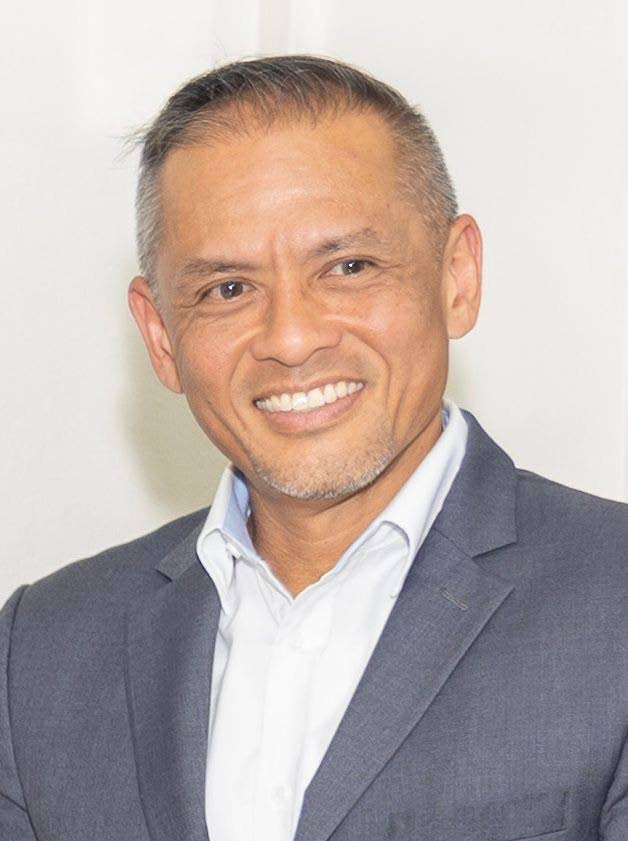
LUK PAT…we’re not unaccustomed to bottle-return systems as breweries have been doing it for years, and decades ago consumers routinely returned soft drink bottles. However, the opportunity is to expand that concept beyond breweries to all glass containers
Luk Pat warned that this reliance leaves Caribbean economies vulnerable to supply chain disruptions, geopolitical tensions, shipping bottlenecks and rising freight costs.
“We know we cannot produce everything we need, but we are far too dependent on imports. If, however, we could develop systems to recover and reuse materials already within our economies — I think we can become much more resilient,” he stated.
While returnable glass bottles remain common in the beverage industry, Luk Pat said the next step could include extending glass recycling to containers used for food, cosmetics, personal-care products, household cleaning products and motor oils.
He said one of the objectives of Trinidad’s Glass Loop Movement was to ensure it was viewed not as a brewery initiative, but as a national sustainability programme involving businesses, government, academia and consumers.
“It has to be a whole-of-society approach. We need public sector participation, civil society, universities and manufacturers all working together because this is about changing behaviour over the long term.”
He also urged manufacturers to reconsider their growing dependence on single-use plastic packaging.
“The challenge with single-use plastics is that once they’re discarded, they remain on our islands. They contribute to pollution, block drainage systems, worsen flooding and negatively affect tourism,” he said.
As a result, he believes policymakers should explore the gradual reintroduction of returnable glass packaging for selected consumer products where practical.
Although plastic packaging often appears less expensive for manufacturers, Luk Pat argued that its broader environmental and social costs are ultimately borne by taxpayers.
“Companies tend to look only at their financial costs because that’s what affects profitability. But pollution, flooding, public health impacts and environmental degradation all impose costs on society. That’s where concepts like true cost accounting become important because they consider the total economic impact,” he noted.
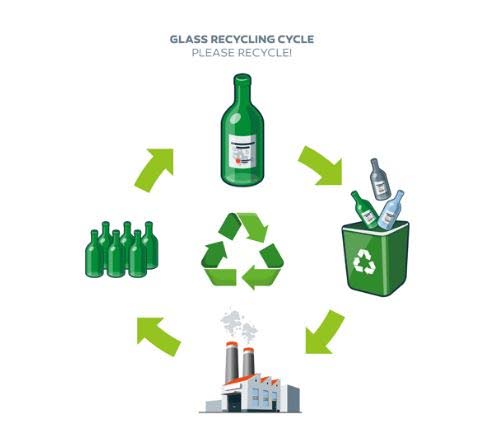
According to one sustainability advocate, glass recycling represents one of the easiest and most practical entry points for building more circular economies.
Citing developments in the European Union, he said policies such as extended producer responsibility and the polluter-pays principle are increasingly holding manufacturers accountable for the environmental impact of their products.
For similar measures to be effective regionally, he stressed the need for supportive government policies.
“The private sector by itself is unlikely to make these changes because its focus is naturally on profitability. Governments will therefore have to establish the necessary policy frameworks through legislation, regulations, incentives and education.”
He pointed to Trinidad and Tobago’s Beverage Container Bill, which has taken more than two decades to progress, as a prime example of how long these types of reform can take. At the same time, he praised Jamaica for adopting the international circular economy standards through the Bureau of Standards Jamaica, describing this move as an important foundation for future policy development.
“Those standards provide governments and businesses with an internationally recognised guide rather than reinventing the wheel,” he said.
Arguing that the Caribbean stands to benefit significantly, Luk Pat called on countries to cooperate on glass recovery and recycling rather than pursuing isolated national initiatives.
“Not every island will have its own recycling facility, but if we collect and process glass regionally, everyone benefits,” he stated.
In Jamaica, organisations such as Smilozone have already developed glass collection and recycling programmes for businesses, hotels and restaurants, while Red Stripe’s RedCycling programme now offers consumers cash incentives to return empty bottles for reuse or recycling.
A 2022 waste characterisation study conducted by the Development Bank of Jamaica estimated that the country generates about 52,000 tonnes of glass waste annually. Smilozone Cares said it recovers about 300 tonnes each year.
Globally, around 130 million tonnes of glass are produced each year across container manufacturing, construction, automotive and pharmaceutical industries, yet only 21 per cent is recycled.
Viewing improved glass recycling as more than just waste management, Luk Pat sharing an outlook said he wants to see governments integrate circular economy principles into national development plans.
“If we get glass recycling right, we can also build momentum for broader circular economy initiatives that strengthen local industries, create jobs, reduce pollution, and make Caribbean economies more resilient for future generations,” he said.


