



The HPV Vaccine: Protection against cervical cancer, genital warts
MEDICAL Officer of Health for Westmoreland, Dr Marcia Graham, appealed to parents last week to have their children between the ages of nine and 14 vaccinated against the Human Papillomavirus (HPV), as the vaccine can protect them against several cancers and other diseases later in life.
Dr Graham noted that a single dose of the vaccine is available for both boys and girls within that age group, and that one dose can protect against future cervical cancer, genital warts, and even cancer of the genital area.
The HPV vaccine is recommended for children before they are exposed to the virus and is recognised as one of the most effective ways to prevent cervical cancer and several other HPV-related cancers, she said.
It is a safe, effective and reliable method of providing long-lasting protection against cervical and other cancers caused by HPV infection.
Here are some facts about HPV, from the Ministry of Health and Wellness, that should guide parents towards making the decision to vaccinate their children.
What is HPV?
HPV is a group of viruses that are the major cause of cervical cancer in women. There are approximately 200 types of HPV. At least 14 types have been found to cause cancer, and 70 per cent of all cervical cancers are caused by HPV types 16 and 18.
HPV is spread by sexual activity. Most of the time, the body can find and clear out HPV. But if the virus stays in the body for a long time, it can cause cancer. Getting vaccinated against HPV helps prevent cancer in men and women.
What is the HPV vaccine and how effective is it?
The HPV vaccine is an injection containing harmless proteins that boost the body’s immunity and protects against the most dangerous strains of HPV-type 16 and 18- which cause over 70 per cent of all cervical cancer cases, 85 per cent of HPV-related head and neck cancers, and 87 per cent of all anal cancers.
What does the vaccine protect against?
The HPV vaccine protects against genital warts and most cases of cervical cancer. It protects against cancer of the vagina, vulva, penis or anus caused by HPV. The HPV vaccine also protects against mouth, throat, head and neck cancers caused by HPV.
The vaccine gives the body a safe way to build immune system awareness of some HPV strains. This means the body has an easier time clearing out those strains of the virus if a person catches them later.
Who can be vaccinated?
Available in Jamaica, Gardasil is an HPV vaccine that can be used for both girls and boys. This vaccine is very effective if given before girls or women are exposed to the virus. Females up to 26 years of age can get the vaccine.
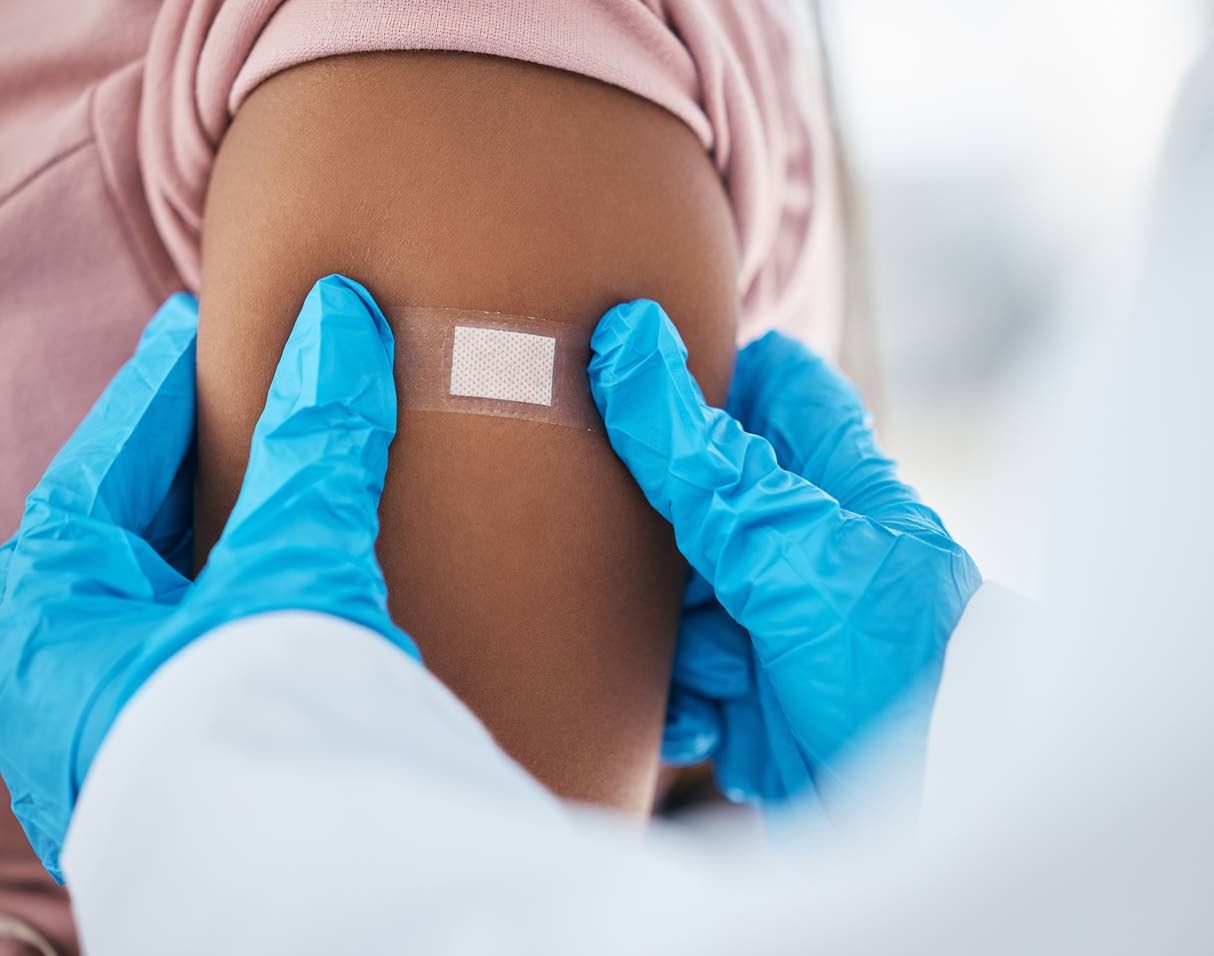
.
Vaccinating boys against the types of HPV associated with cervical cancer might also help protect girls from the virus by possibly decreasing transmission. Jamaica is now offering HPV vaccines, a recognised tool against cervical cancer, to boys also.
Since October 2017 the shots have been offered to girls but the inclusion of boys is a new push in the fight against the second leading cause of cancer-related death in the world and in Jamaica. It is estimated that 392 Jamaican women are diagnosed with cervical cancer each year and 185 die from the disease.
How many doses are required?
Girls and boys ages nine to 14 require one dose. Females ages 15-26 years require two doses (six months apart). Persons with weakened immune systems require three doses.
Why not wait until children are older to get the HPV vaccine?
The vaccine works best in a young person before exposure to the virus during sexual contact. The immune response to the vaccine is also better, with only one dose required, if given to children ages nine to 14 years.
If your child receives the vaccine now, she/he will receive long-lasting protection from cervical, vulval, anal and oral cancers and pre-cancers as well as protection against genital warts caused by chronic HPV infection.
Is the vaccine safe?
The HPV vaccine has been found to be safe in many studies.
Overall, the side effects are usually mild. Vaccines, like any medicine, can have side effects. Many people who get HPV vaccine have no side effects at all. Some people report having very mild side effects, like a sore arm from the shot.
HPV vaccine may be available at doctor offices, community health clinics and special days at school-based health centres.
Having your child fully immunised for age is one way to protect them from avoidable, preventable diseases
Can the HPV vaccine cause infertility?
No, there is no link between the HPV vaccine and the ability to have children in the future. Girls who got the vaccine years ago have gone on to have healthy pregnancies and children, and are now living healthy, productive lives knowing that they are protected from a deadly cancer. Talk to your gynaecologist for more information.


