



Safety or red tape?
Government senator questions repeated background checks for licensed psychologists as MPs insist vulnerable children deserve every possible safeguard
A spirited debate erupted during a sitting of Parliament’s joint select committee reviewing the Child Diversion Act on Wednesday, after Government Senator Sherene Golding-Campbell questioned why licensed psychologists, who are already vetted by their professional regulatory body, must undergo additional background checks before being allowed to work with children in the Child Diversion Programme.
However, committee members, including chairman Delroy Chuck, argued that the additional scrutiny is essential because vulnerable children are involved, insisting that no safeguard should be overlooked when selecting professionals to work in the programme.
The disagreement emerged as the committee examined provisions of the Act dealing with how counsellors and psychologists are approved to provide services under the Child Diversion Programme, which seeks to rehabilitate children who come into conflict with the law rather than exposing them to the formal court system.
Under the existing law, the minister is empowered to approve counsellors and psychologists for use in the programme. The legislation also requires standards and procedures to be set for the operation of diversion services.
Golding-Campbell questioned whether that approval process was necessary for psychologists who are already licensed to practise under Jamaican law.
“If they’re registered under the Act, what is the purpose of a background check on a psychologist? I’m not understanding that,” she asked.
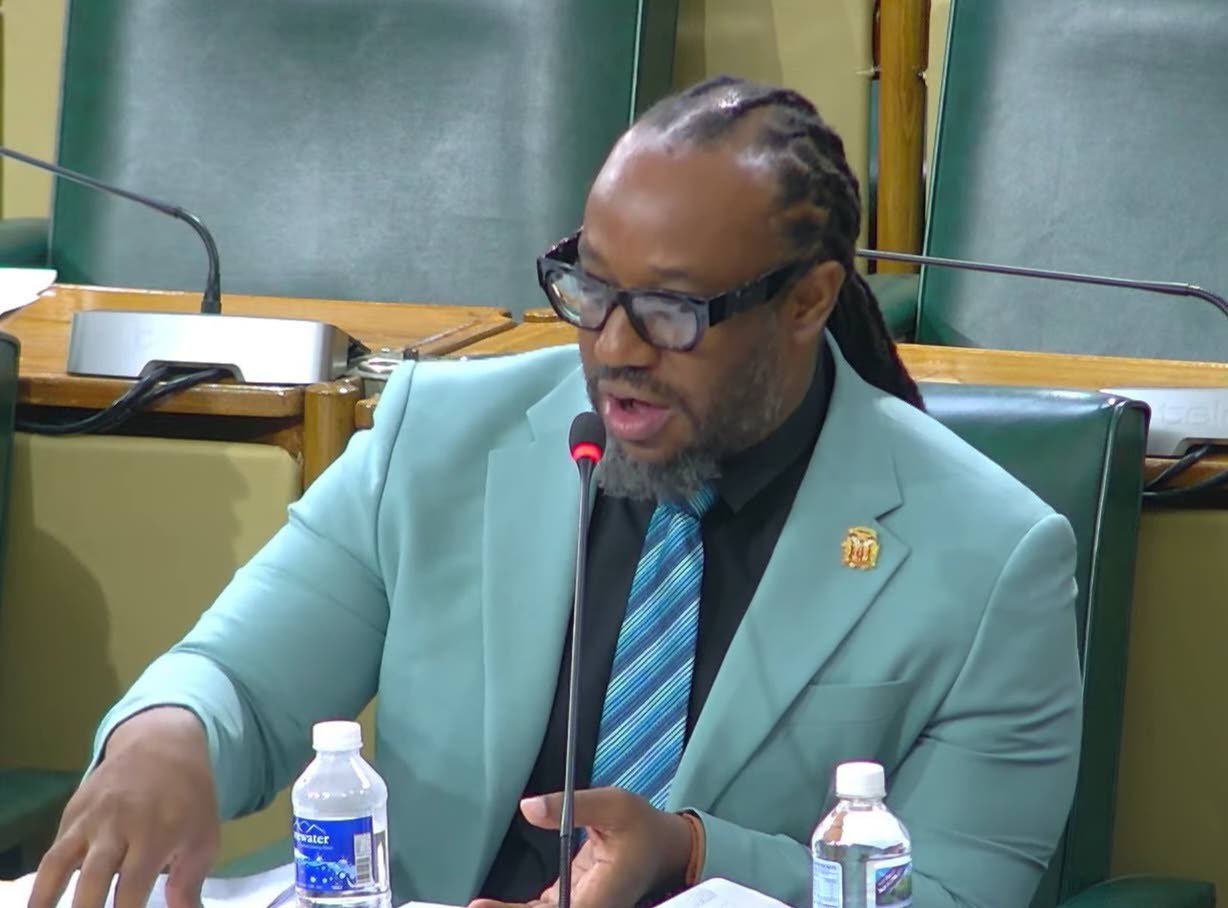
BUCHANAN…argued that professional registration alone cannot guarantee that a person poses no risk to children.
Director of the Child Diversion Branch in the Ministry of Justice and Constitutional Affairs Venisa Clarke explained that the programme uses a range of mental health professionals, including psychologists, counsellors, clinical social workers, and guidance counsellors.
She said the background checks are carried out not because the professionals are unqualified, but because they will be working closely with vulnerable children.
“Every psychologist that touches base with the Child Diversion Office or contacts us, we have a list of things that are required. We have a checklist that they have to meet certain criteria. Once that is done, we indicate to them that we are now going to move to get the approval to engage. The first aspect of that approval is that a background check has to be done as well, and we have to see that they are certified,” Clarke explained.
She said the background check includes more than a criminal record search.
“For the mental health service providers, we engage a private member of society that does that for us. It includes a visit to their community, getting information from NIB [National Intelligence Bureau], as well as a sex offender registry, a whole list of things, and the report includes if they find any adverse traces or anything of that sort,” she added.
Golding-Campbell, however, argued that the process appeared to duplicate checks already carried out by the bodies responsible for licensing professionals. She also questioned whether the programme was making the best use of limited public resources.
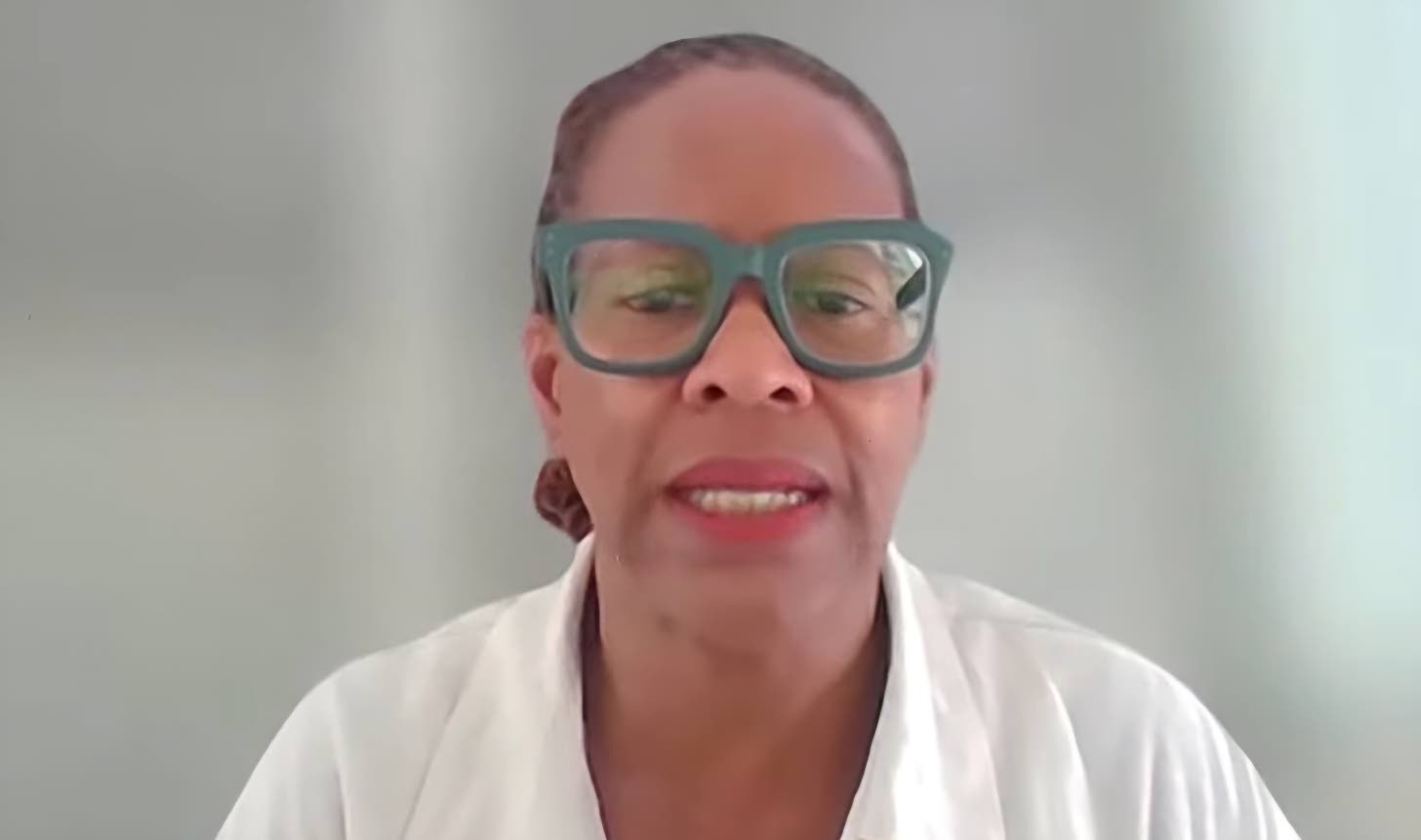
GOLDING-CAMPBELL…questioned why licensed psychologists, who are already vetted by their professional regulatory body, must undergo additional background checks.
“I appreciate that it’s children, but if these professionals are registered, they’re registered. If they have a valid registration under the Act, they’re registered. I’m not understanding why we would commit resources to a private investigator to find out whether or not they have convictions,” she queried further.
The senator also questioned why the minister should have the power to approve individual psychologists and counsellors if they have already met the legal requirements to practice in Jamaica.
Her concerns were met with resistance from several committee members.
Chuck acknowledged that professionally registered psychologists may require less scrutiny than other groups, but said the ministry still has a responsibility to ensure every person working with children can be trusted.
“You don’t know which of these personnel could abuse the child. And therefore, the background check is absolutely important… The last thing we would want is we put the child to interact with a mentor, and the mentor turns out to be a paedophile,” he said.
Member of Parliament for Portland Eastern Isat Buchanan also defended the practice, arguing that professional registration alone cannot guarantee that a person poses no risk to children.
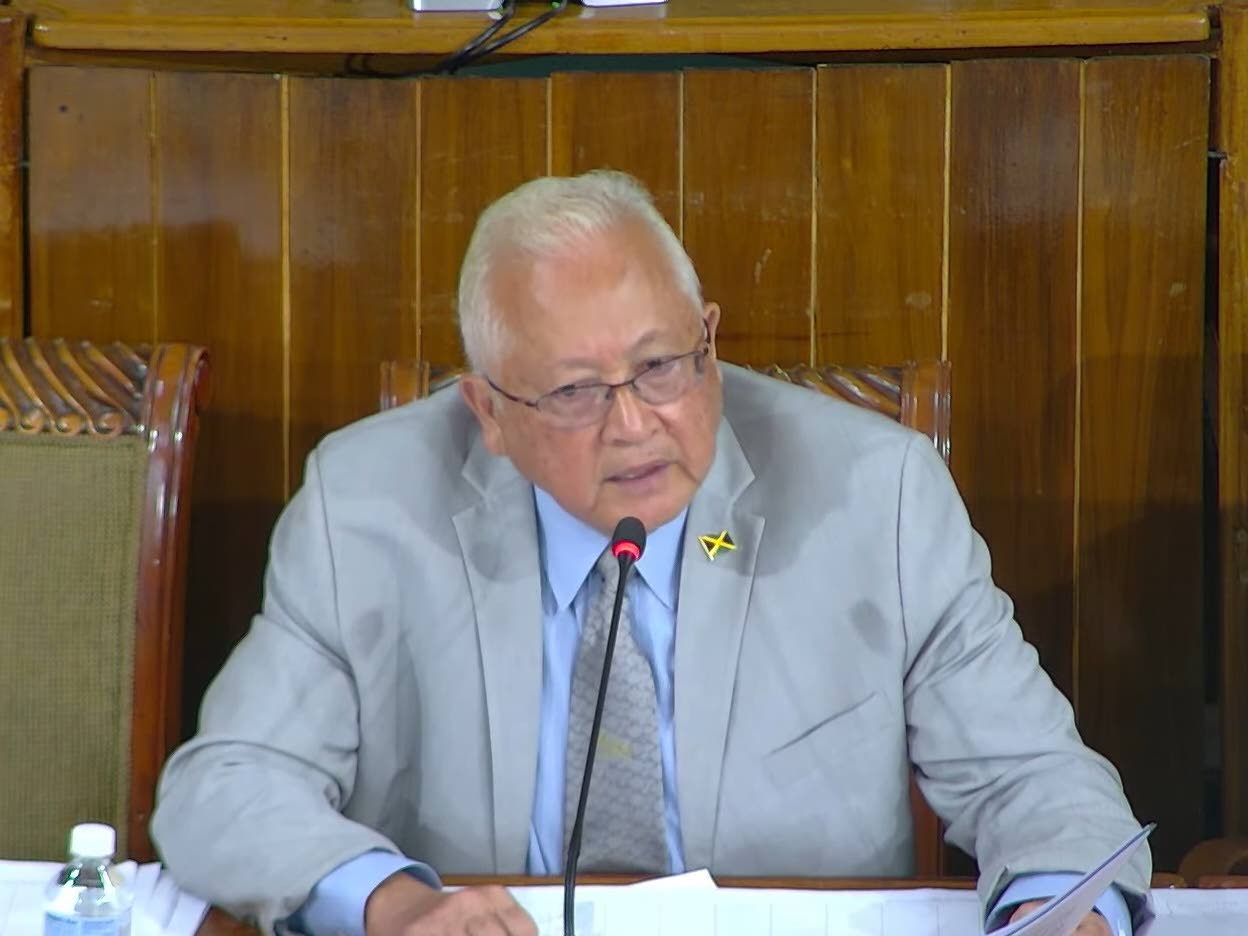
CHUCK…said the ministry has a responsibility to ensure every person working with children can be trusted.
“Background checks for the purpose of child diversion are about adverse findings. There are persons who have come in conflict with the law that have not been brought before the court because other things would have happened…So if we are protecting the child, Minister, respectfully, you sit in the chair right now. It is the approval by you, because if anything should happen I will be the first to say, ‘How could the minister make this happen? Heads should roll!’, and I will be the first to say ‘Resign, resign, resign’,” he expressed.
State minister in the Ministry of Justice Marisa Dalrymple-Philibert similarly backed the existing approach, saying any organisation introducing a programme for children has a duty to satisfy itself that those involved are suitable.
However, Golding-Campbell maintained that her concern was not with protecting children but with making sure the system is logical and consistent. She argued that if the programme believes extra vetting is necessary, then it should not happen only once at the beginning.
“If it is that you want to be satisfied that they are safe people for children separate and apart from their registration under law governed by another body, then it must be something that you’re telling me you’re satisfying yourself of periodically, because to satisfy yourself when they are approved does not hold for the entire time that they participate in the programme. Being good in 2022 doesn’t mean that I haven’t committed some offence that would disturb you in 2025,” she said.
That argument appeared to win some support from Chuck, who agreed that repeat checks should be considered.
Clarke also welcomed the suggestion, confirming that, while background checks are currently mandatory before a professional joins the programme, the ministry would consider introducing periodic reviews.


