



Tougher water fines
Drought drives Samuda to push increased penalities for breach of prohibition order
SEVEN parishes will face a water prohibition from Monday, August 17 as the Government moves to tighten restrictions amid worsening drought conditions.
At the same time, Minister of Water, Environment and Climate Change Matthew Samuda is set to approach the executive and legislature to punish violators with stiffer fines.
“As we had to do after the first incident that took place with Rio Cobre, where we had to shift the fine, we now have to take the same approach with fines in relation to water prohibition,” Samuda told the Jamaica Observer on Monday.
“Because of the present forecast and warning associated with El Niño, we will have to move with unprecedented speed, and we will have to engage first the Cabinet and then Parliament in the coming weeks to facilitate this,” Samuda added.
On Monday, Samuda’s ministry, through the National Water Commission (NWC), announced that the water prohibition orders will apply to Kingston, St Andrew, St Thomas, St Mary, Portland, St Ann, and St Catherine and will remain in force until further notice.
“Under the orders, no person shall use or cause water supplied by the NWC to be used for non-essential or unusual purposes. Prohibited activities include:
• irrigation or watering of gardens, lawns, grounds, and farms;
• refilling or supplying of ponds or swimming pools and/or for use other than normal domestic services such as drinking, cooking, washing, bathing, and sanitation;
• washing of vehicles by the use of a hose;
• watering or washing of roadways, pavements, paths, garages, or out-rooms;
• any activity requiring excessive or unusual quantities of water,” the ministry release stated.
The ministry said the decision followed a high-level stakeholder meeting earlier Monday with the NWC and the Meteorological Service, which confirmed that rainfall levels remain critically low and temperatures continue to soar.
Underscoring the necessity of the measure, Samuda said, “We understand that there is some disproportionate economic impact on commercial operations, such as car washes, and we have not taken this decision lightly. Ultimately, our priority is to maintain supply to critical services, especially schools, as we prepare for the September reopening.”
He further advised that sanctions will be applied to individuals and entities found in breach of the prohibition order, noting “these penalties are intended to ensure compliance and protect the integrity of Jamaica’s water supply during this critical period”.
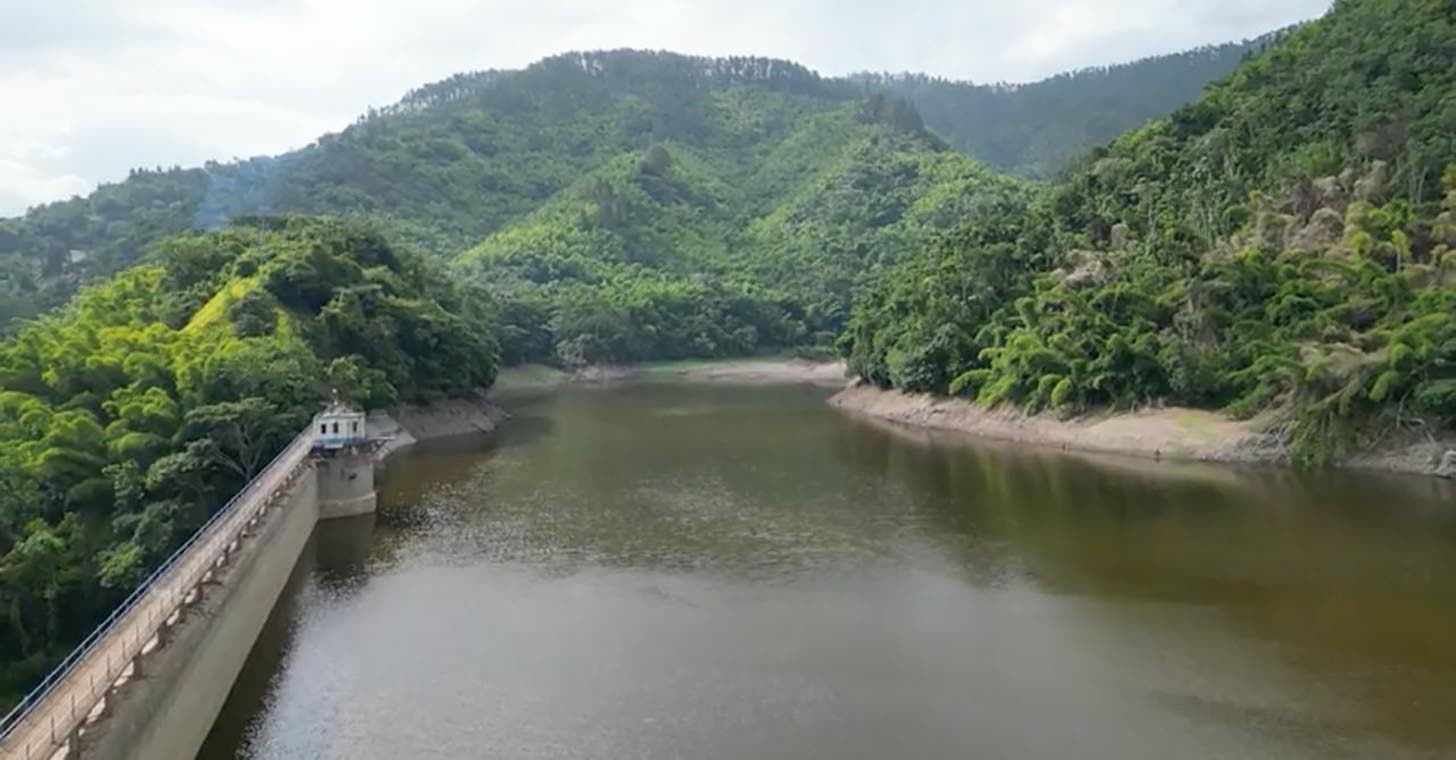
The water level in the Mona reservoir last week.
The current fine for breaching an NWC prohibition order is $1,000. Failure to pay the court-ordered fine results in imprisonment for up to 30 days.
Samuda’s reference to the Rio Cobre was the action taken by the Government after chemical spills that resulted in fish kills that affected several species and impacted other aquatic organisms four years ago.
In January 2025 he successfully piloted a Bill in the House of Representatives which approved amendments to the Natural Resources Conservation Authority (NRCA) Act and the Wild Life Protection Act to allow for significant increases in fines and related custodial sentences.
Under the Acts, depending on the severity of the offence, as adjudicated by the Supreme Court, corporate bodies may now be subject to a fine of approximately $10 million, individuals in breach of the Acts may face a fine of up to $5 million or serve a term of imprisonment up to five years, subject to the jurisdiction of the parish courts.
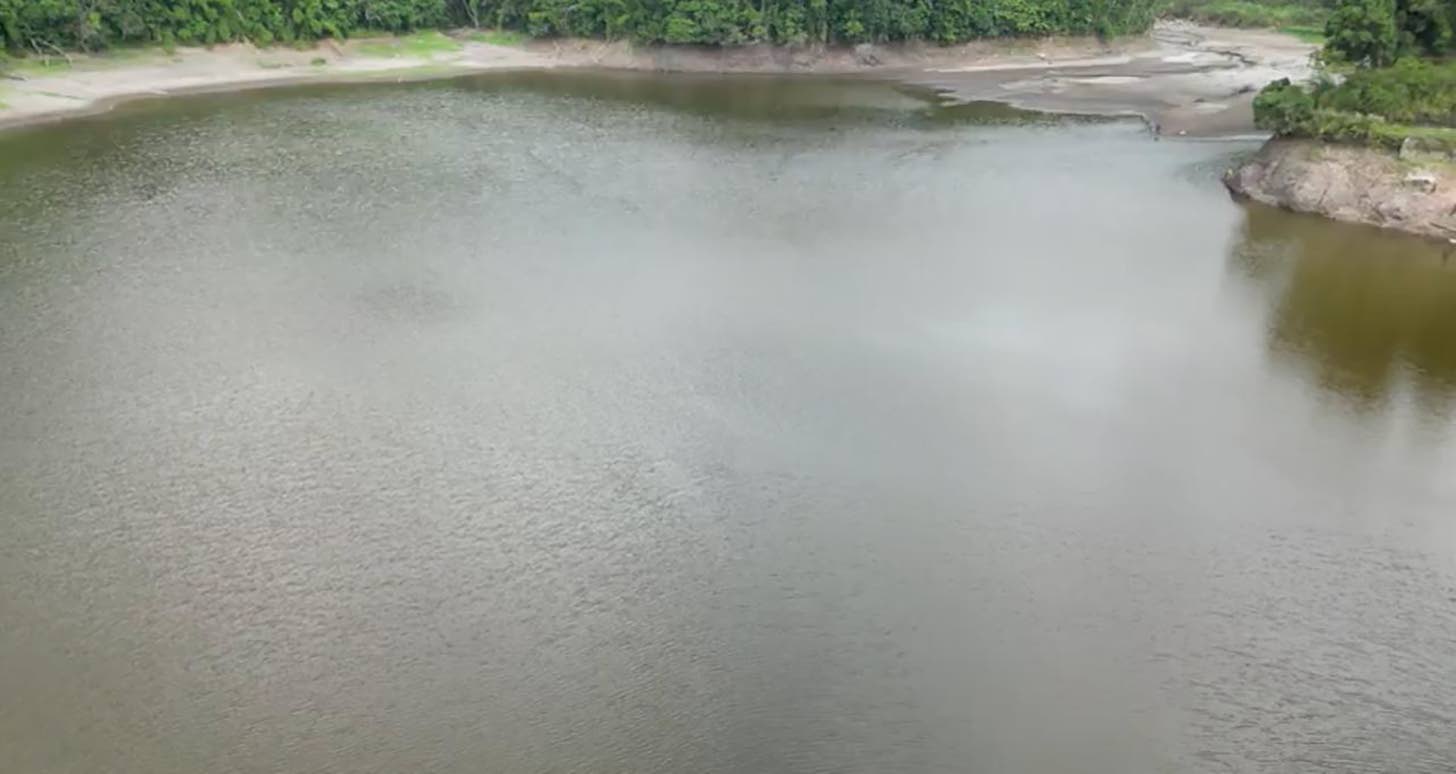
Water level in the Hermitage dam last week.
On Monday, Samuda told the Observer that the request he will be taking to Cabinet and Parliament is to “move the fines in line with what was done for bodies corporate and individuals under the NRCA Act breaches.
The naturally-occurring El Niño climate pattern, which began in June and is expected to peak later this year, has already amplified unprecedented temperatures across the world.
Some 33 countries recorded their hottest July since records began, according to a detailed analysis of billions of data points from Copernicus’s ERA5 climate model.
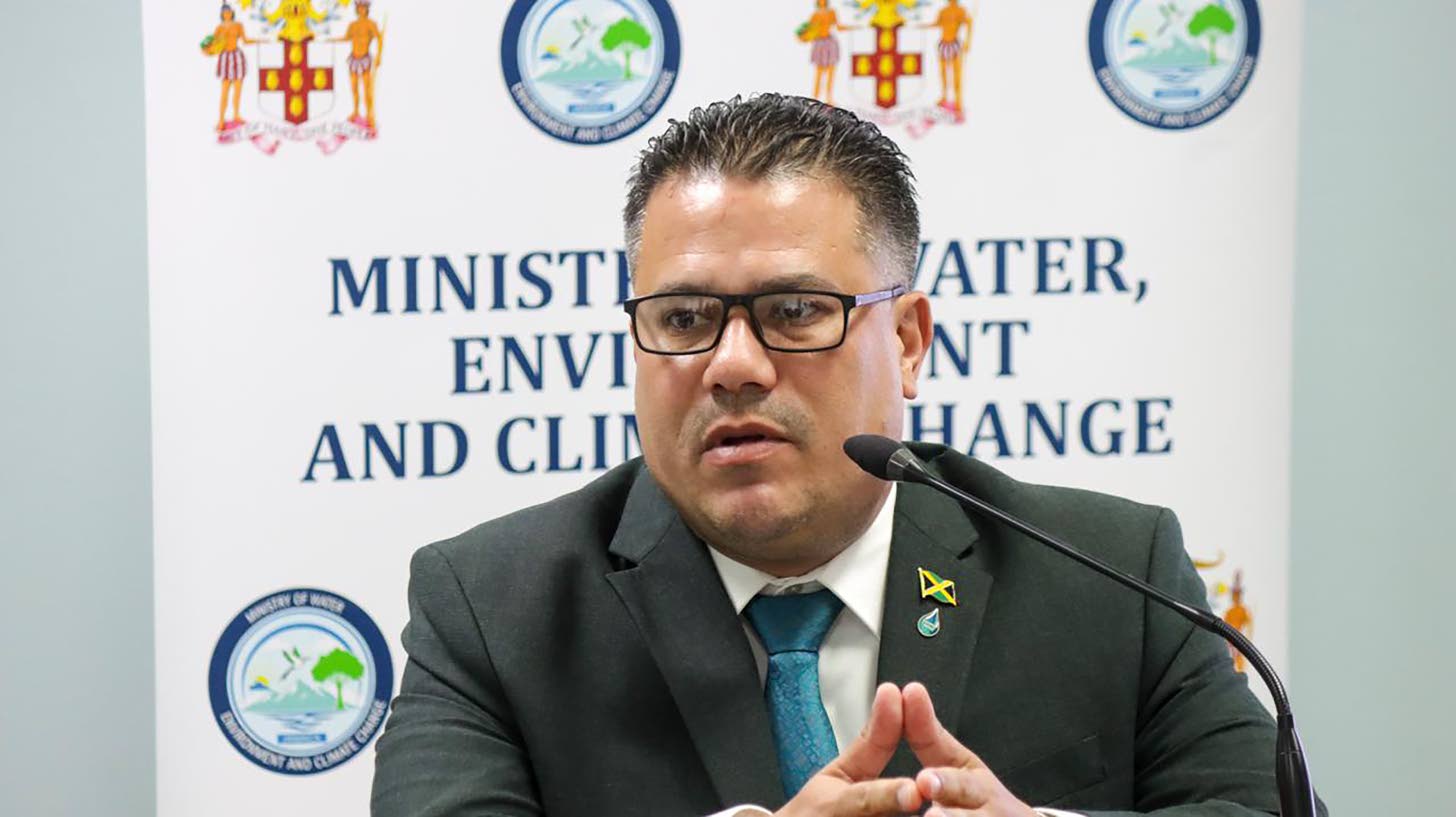
SAMUDA… as we had to do after the first incident that took place with Rio Cobre, where we had to shift the fine, we now have to take the same approach with fines in relation to water prohibition
The severe drought has triggered food security concerns worldwide.
Last week, the United Nations World Food Programme said that Central America is expected to be the region hardest hit in terms of the relative increase in food insecurity.
Including the Caribbean, the agency estimates that an additional 16 million people could face food insecurity by the end of 2027.
Heat projections for the next three weeks


