



Envelope saving: Does it really work?
FOR years, the advice around keeping cash at home has been clear: it can leave your money vulnerable to theft, loss or the temptation to spend it. Yet the envelope savings challenge asks people to do something that appears to run counter to that advice: physically set aside cash and watch their savings build.
So, can the envelope method actually work, and if it does, should the money stay in the envelope? The answer may depend less on the envelope itself and more on what it is designed to achieve. For accountant, entrepreneur and financial coach Grace Aitcheson-Anderson, the physical act of seeing money accumulate can help people who struggle to save develop the habit of putting money aside.
“So if this week they have $5,000, next week they have two, they’re actually creating a habit,” Aitcheson-Anderson told the Jamaica Observer.
She said the ultimate goal is to turn saving into a habit and make the process rewarding enough to sustain. She created her savings envelope challenge about three years ago for people who are not saving at all or have difficulty getting started. The challenge can be structured around different periods, including 100 days, three months or a year, allowing participants to choose a timeframe that works for their goal. But the exercise should be about more than simply accumulating cash, it needs a purpose.
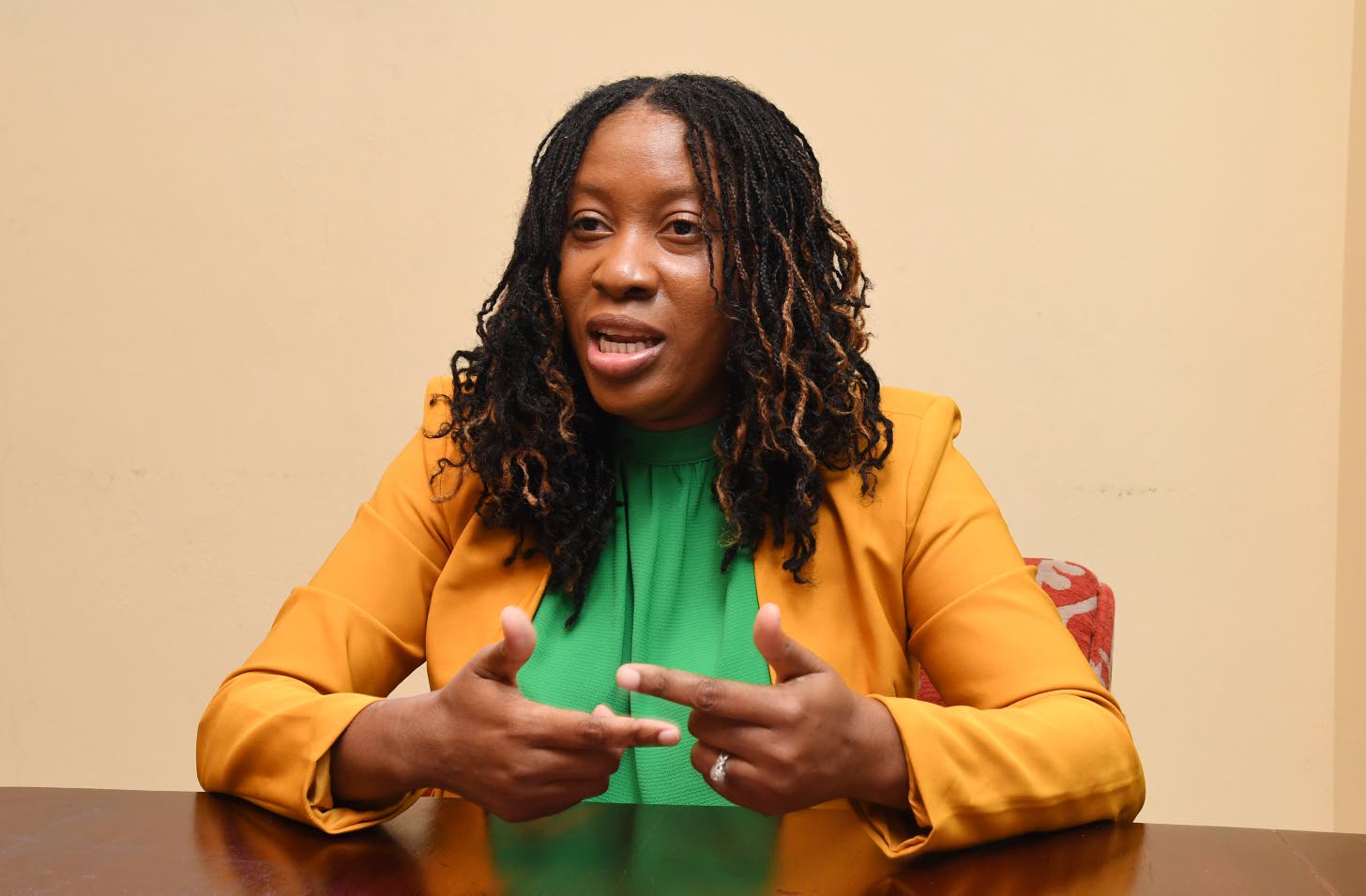
Grace Aitcheson Anderson, financial coach and owner of Walking into Financial Freedom.
“You have to have a goal,” she said.
That purpose could be paying down debt or eventually investing the money. Having a clear objective gives the saver something to work towards and helps make the challenge more meaningful.
Aitcheson-Anderson also believes saving should not feel like an endless sacrifice and encourages participants to find ways to make the process enjoyable and reward themselves along the way. The challenge also does not have to be done alone. Friends can take on the challenge together, with each person working towards their own savings target while encouraging one another to stay on track. For someone who finds it difficult to remain consistent, having others doing the same challenge could provide an additional source of motivation and accountability.

SUTHERLAND…I would recommend that if persons want to try the envelope method that they give themselves a week or two of seeing how disciplined they’ll be in keeping the money.
But can the challenge work for people who already struggle to save?
Sagicor financial adviser Yolondo Sutherland believes it can, but says discipline is key. While physically separating the money makes savings more visible, she cautions that having cash readily accessible can also make it tempting to spend.
“To be frank, how many of us are so disciplined that we will not, you know, overspend having the cash immediate in front of us?” Sutherland questioned.
For that reason, Sutherland recommends that anyone trying the challenge first use it as a test of their discipline.
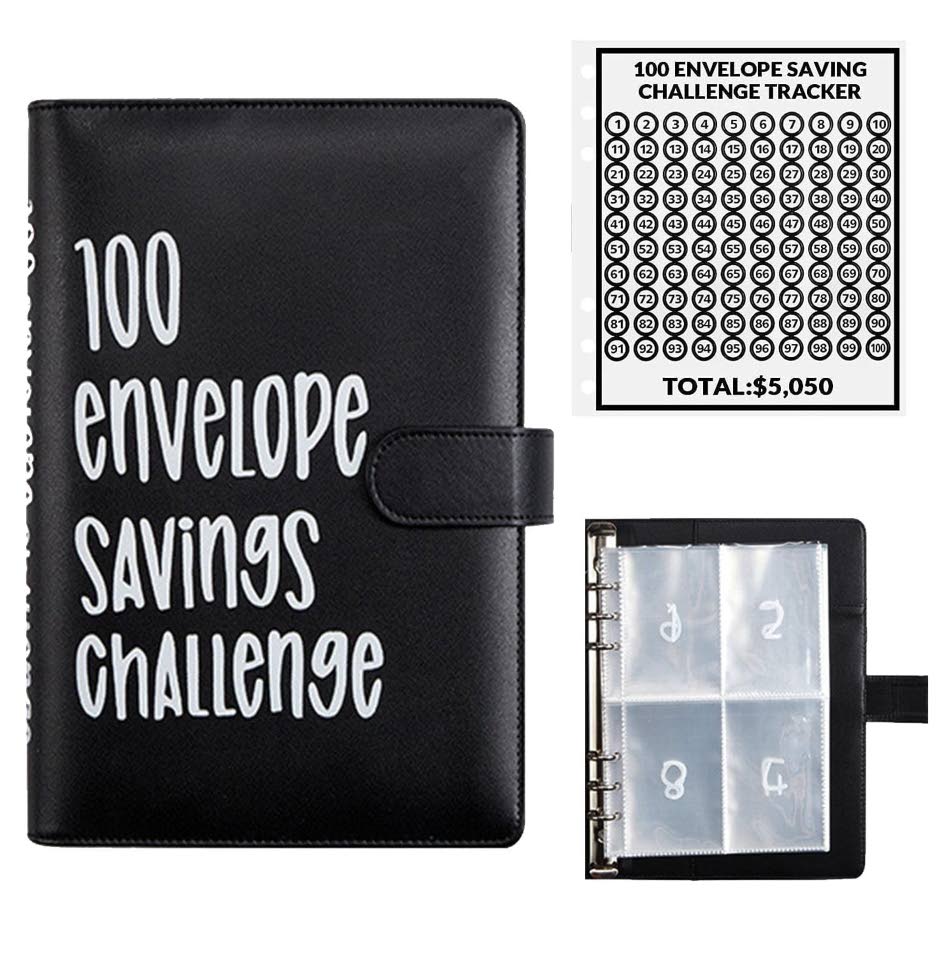
This envelope savings challenge kit, featuring numbered envelopes and a tracker to help savers monitor their progress towards a $5,050 target..
“I would recommend that if persons want to try the envelope method that they give themselves a week or two of seeing how disciplined they’ll be in keeping the money,” she said.
Those who are able to maintain the challenge can continue building the habit, according to Sutherland. However, those who repeatedly take the money back out may be better off moving their savings into a savings account or fixed deposit, where it is less accessible. That distinction is important when considering the purpose of the envelope savings challenge. The envelope can make saving visible and provide a tangible sense of progress, but it does not remove the need for discipline.
Ultimately, the envelope itself may not be what makes someone a saver. It is the repeated act of putting money aside, watching it accumulate, and resisting the urge to take it back that can turn saving into a habit. For those who find that keeping cash readily accessible makes that difficult, moving the savings into a separate account or fixed deposit could provide a more secure alternative.The real test, then, is not how full the envelope becomes, but whether the person using it can consistently put money aside, and leave it there.


