



JP Farms says irrigation holding off drought threat
…touts resilience despite previous storm setbacks
JP Farms says it expects to keep bananas, plantains, and pineapples flowing to market despite Jamaica’s severe drought, with irrigation now doing much of the work that rainfall is not.
The St Mary agricultural operation, which spans about 450 hectares and employs roughly 250 people, is drawing on several wells to keep its fields supplied with water as dry conditions place growing pressure on farms across the island.
General Manager Mario Figueroa said the farm currently has adequate water to sustain production of its main crops, including bananas, plantains, pineapples, and coconuts.
“I can say to our consumers they can feel safe because we will not have a shortage in bananas, pineapples, or plantains because our fields are well irrigated,” Figueroa told the Jamaica Observer in a recent interview.
Banana production has already returned to full capacity, while plantain output is at about 50 per cent and is expected to be fully restored by October. Pineapple production, meanwhile, remains at normal levels and has been largely unaffected by the weather disruptions that have hit other parts of the farm.
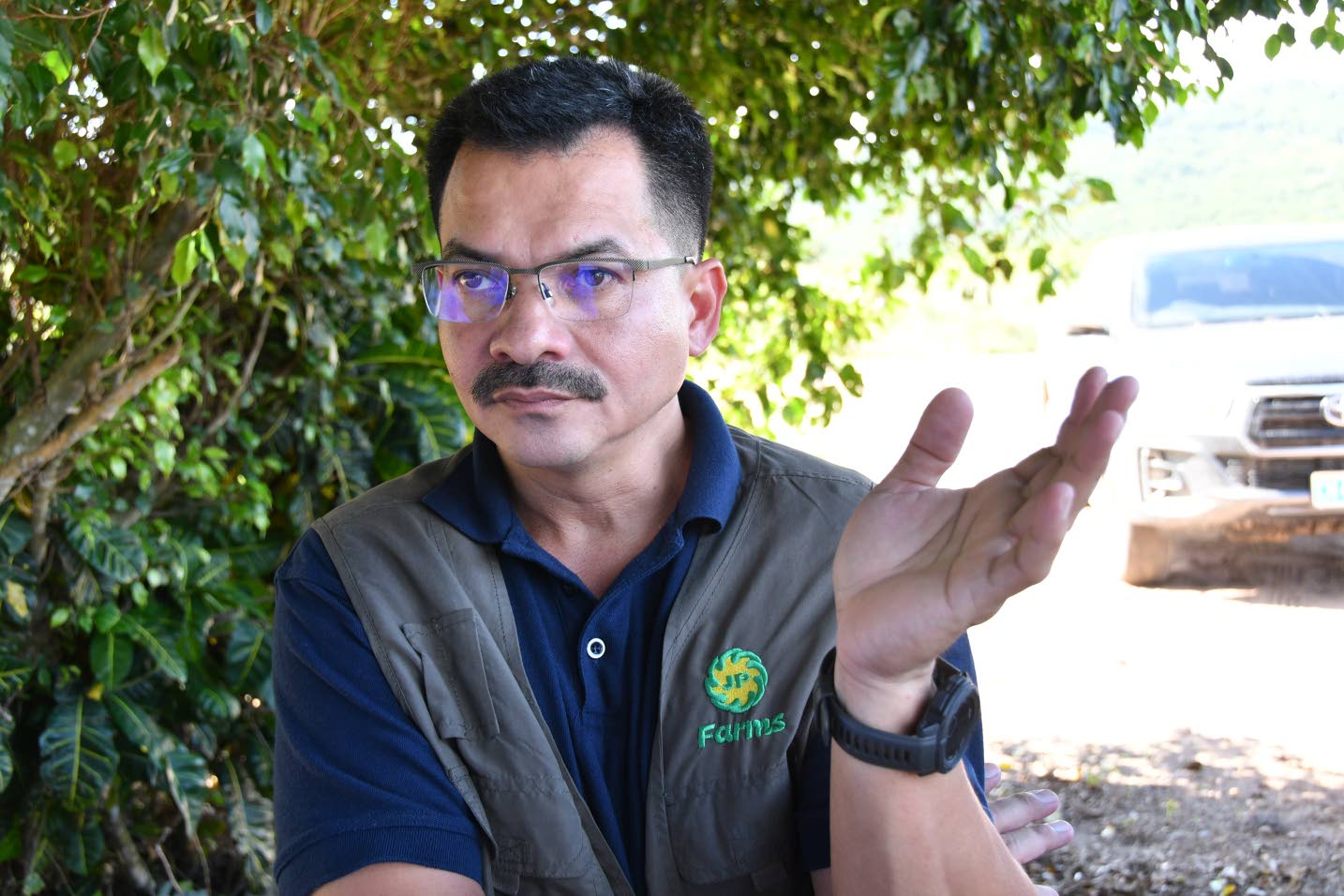
FIGUEROA…I can say to our consumers they can feel safe because we will not have a shortage in bananas, pineapples or plantains because our fields are well irrigated.
According to Figueroa, the drought has again brought the farm’s investments in irrigation, crop management, and plant nutrition into focus.
Those investments are being tested just months after JP Farms emerged from another weather shock.
The operation was hit by Hurricane Beryl in 2024 and Hurricane Melissa in 2025, with the two storms causing millions of dollars in damage and almost wiping out its banana and plantain crops.
Melissa, which struck Jamaica on October 28 last year, destroyed more than 4,000 hectares of crops across the country and severely damaged the commercial banana and plantain industry.
At JP Farms, however, banana production returned to full capacity in late June, about six weeks earlier than management had initially expected.
Figueroa credited the faster recovery to close crop monitoring and frequent adjustments to fertiliser and crop-enhancement programmes.
JP Farms engages the use of drone technology to help with crop management in field.
“We have a technical team that analyses the plants, checks the results of the assessments we do, and adjusts our fertiliser programme or enhancer programmes,” he told the Business Observer.
“That is what made us return to production faster than other farmers on the island.”
The recovery was also supported by more than $250 million in new investment from parent company Pan Jamaica Group, as well as proceeds from crop insurance.
Government, meanwhile, established a $100-million recovery programme for banana and plantain farmers following Melissa, with the Banana Board and Rural Agricultural Development Authority tasked with helping affected farmers restore production.
The back-to-back storms followed by the current drought have reinforced the need for JP to build more protection into the business rather than respond to each weather event separately.
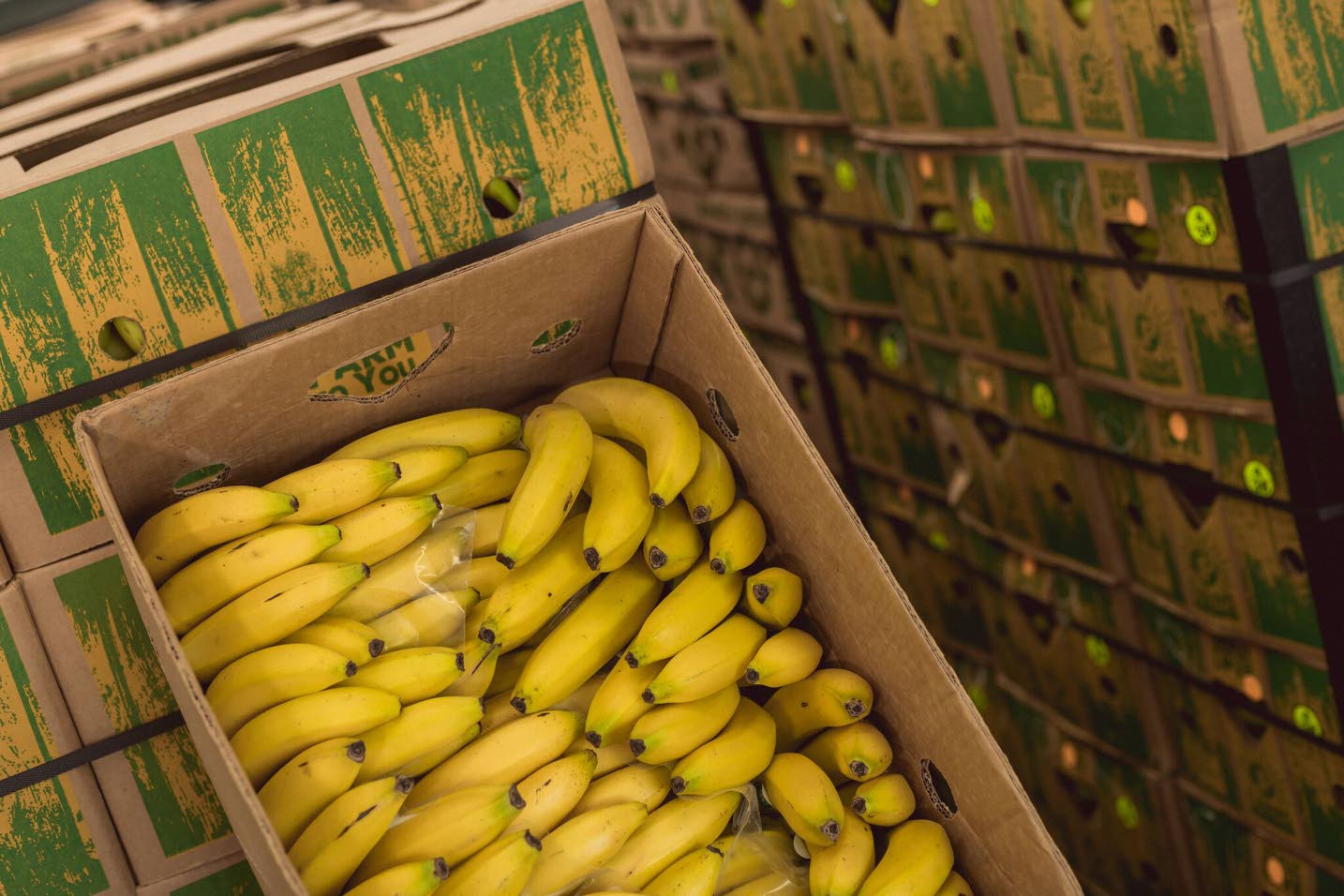
Following storm setbacks in the last two years and amid current drought conditions, banana production at JP Farms is back 100 per cent
“This company believes in agriculture despite the major events of the last two years. Our efforts have allowed us to rehabilitate, recover the farm and become even stronger,” Figueroa said.
Management is now looking at what else can be done to reduce the farm’s exposure to weather-related disruptions, while continuing to invest in irrigation, crop nutrition, and other areas of the operation.
JP Farms is also exploring additional crops as it looks to broaden its portfolio of fresh, non-genetically modified organisms (GMO) produce beyond its main banana, plantain, pineapple, and coconut lines.
Figueroa said that effort will not be limited to equipment and infrastructure.
“The secret is to invest, not only in machinery, but also in people, because if we didn’t have the right staff, the farm would not have been able to reap the successes we have today,” he said.


