



A second chance
Teen Challenge Jamaica successfully helping many break drug, alcohol addiction
FOR men and women caught in the grip of drug and alcohol addiction, Teen Challenge Jamaica is offering a way back, with the faith-based residential programme reporting an 87 per cent regional success rate and giving participants at least a year to rebuild their lives.
Speaking to journalists at the Teen Challenge Jamaica facility in Ocho Rios, St Ann, on Thursday, as part of the Jamaica Product Exchange (JAPEX) 2026 Social Responsibility Day, Director Barbara Richards outlined the organisation’s approach to helping people overcome addiction and return to productive lives.
Richards said Teen Challenge Jamaica works with men and women over 18 who voluntarily seek help, with participants required to commit to residential rehabilitation for a minimum of one year.
“They have to be able to articulate their need for help and we make an assessment of their capability to go through the process and then we invite them to come. So they come on their own volition, they can leave on their own volition as well. So we invite them to be residential — to live residentially for one year or more, but a minimum of one year,” she said.
The organisation currently has about 15 men and three women in its programme, Richards said, with its work focused on addressing more than substance use.
Teen Challenge Jamaica describes itself as a residential, faith-based rehabilitation programme. Its activities include structured rehabilitation based on biblical principles as well as agricultural work, including growing sweet peppers, raising pigs, and operating an egg farm.
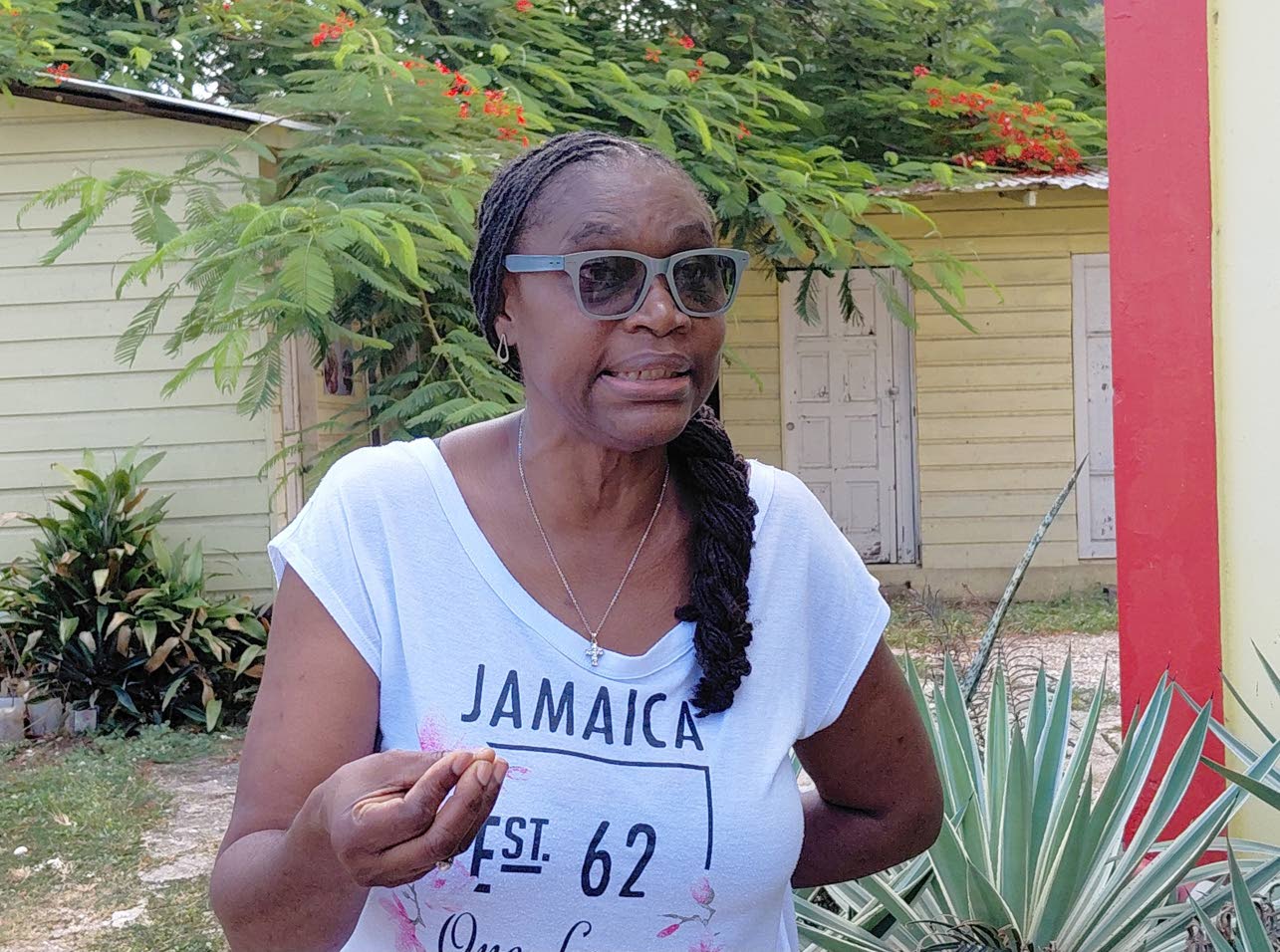
Barbara Richards, director of Teen Challenge Jamaica, speaks to journalists during JAPEX 2026 Social Responsibility Day at its facility in Ocho Rios, St Ann, on Thursday.
Richards said the organisation deliberately refers to participants as “students” rather than clients because the programme is intended to help them understand themselves and learn how to manage their lives.
The Christian foundation, she said, is central to the organisation’s approach.
“And so this is how we initiate the process by letting them know that God is able to help them and they have to buy into that. They have to say, yes, they believe that God can help them,” she said.
According to Richards, Teen Challenge Jamaica believes its approach has produced lasting results, citing an 87 per cent regional success rate. She said former participants have gone back into the workforce and wider society, including the private and public sectors and the church.
“Companies have sent their good workers, who they know to be good producers, but have fallen into the habit of taking drugs, and have sent them here. They were rehabilitated, and they have gone back. Public hospitals have sent people here and [they] have gone back to their jobs,” she said.
The organisation is approaching its 30th anniversary, having started in Jamaica in 1996. Richards said the programme has recorded what she described as many successes among both men and women over the years.
But she said rehabilitation is taking place against a backdrop of widespread access to drugs and the early introduction of substances to young people.
Richards said Teen Challenge also conducts prevention programmes in schools, arguing that greater emphasis must be placed on educating children about drugs and helping them develop healthier ways of dealing with emotional, psychological, and social difficulties.
“You know, to every need there’s a supplier, right? And so to every street corner that anybody goes out, they can find marijuana or crack cocaine… very cheap and very available, and so the supply is always the greatest challenge,” Richards added.
She said the organisation’s work extends beyond treating addiction, with prevention and education needed to help young people make better choices before substance use becomes a life-controlling problem.
Richards noted that Teen Challenge Jamaica ultimately seeks to help participants leave the programme able to function independently and contribute to society.
“And so we’re not here to take people off drugs per se, but we are here to let them know that whatever problem they have, it can be fixed by the help of their Creator,” added Richards.


