



Drought, bush fires pose fresh challenge for local coffee farmers
JCGA wants government support
The island’s coffee farmers are battling a fresh wave of losses as prolonged drought and bush fires ravage farms across major growing areas, threatening to further weaken an industry already battered by crop disease, Hurricane Melissa and persistent infrastructure problems.
In a recent interview with the Jamaica Observer, interim president of the Jamaica Coffee Growers Association (JCGA) Brandon Pessoa-Green said the combination of extreme heat, inadequate rainfall, and recent fires has been creating an increasingly difficult environment for farmers — many of whom lack the resources to protect their crops or invest in proper irrigation.
“There’s no pretty way to put it… it is just terrible, as the fires have wiped out as much as 80 per cent of some of the farms affected,” he said, while describing the damage as a major setback for farmers, many of whom are already financially strained.
PESSOA-GREEN… the lack of water is causing coffee cherries to remain small and fail to develop properly, while leaves on affected trees are also shrivelling under the heat
He said that while the Jamaica Agricultural Commodities Regulatory Authority (JACRA) has been conducting assessments of farms affected by the fires, farmers have not yet received any clear indication of what assistance may follow.
Pessoa-Green said it also remains unclear whether the fires are being caused by poor farming practices or malicious acts. Whatever the source, he said; they were occurring against the backdrop of an equally damaging drought that has been threatening the development and quality of the coffee crop.
“The lack of water is causing coffee cherries to remain small and fail to develop properly, while leaves on affected trees are also shrivelling under the heat,” he said, warning that without meaningful rainfall in the coming weeks, the crop could deteriorate even further.
As a coffee farmer who also processes and exports the commodity, Pessoa-Green said tests on his crop found some of the beans being significantly smaller than normal and this will have a direct financial impact because coffee is sold by weight.
The interim president said that while a box of coffee is currently being sold for about $10,000, farmers must also pay workers to harvest the crop. However, with the drought producing smaller cherries and reducing the proportion of saleable beans, the economics of harvesting are also becoming difficult.
“If you float it, only half of it is good,” Pessoa-Green said, referring to the quality sorting technique. “So you’re only able to sell that half,” he added.
Pessoa-Green linked the deteriorating conditions to the sector’s limited investment in climate resilience, noting that farmers have traditionally relied on Jamaica’s rainfall and relatively cool growing conditions and therefore viewed irrigation as a non-essential investment. However, changing weather patterns are now forcing many to reconsider that approach.
“If it’s going to get worse, then drip irrigation is something that farmers will definitely need to try to put in place,” he said.
This photo captures scorched coffee tree leaves following a JACRA assessment of damage to farms across some of the island’s major coffee-growing regions.
In addition to drip systems, he said, farmers will also need greater access to water storage tanks and reliable water supplies if they are to withstand prolonged dry periods. The use of more shade trees to protect coffee plants from excessive heat comes as another relatively immediate measure being encouraged by the association.
The JCGA, calling on Government to step up its support of the sector, said the State’s assistance with water is particularly important.
According to Pessoa-Green, this could include measures to subsidise the cost of supplying farms with water and also helping farmers acquire irrigation systems and storage tanks.
He also underscored the need for greater support with fertiliser and other agricultural inputs, as well as the rehabilitation of farm roads which fell into a serious state of disrepair after Hurricane Melissa’s onslaught last October.
“If we can get these things for as many of our farmers as possible, we will be able to better deal with some of the challenges we now face as an industry,” he said.
The local coffee sector, which has been plagued by a series of setbacks ranging from disease and Hurricane Melissa to damaged roads, drought and bush fires, now leaves many farmers with little financial room to absorb any further shock.
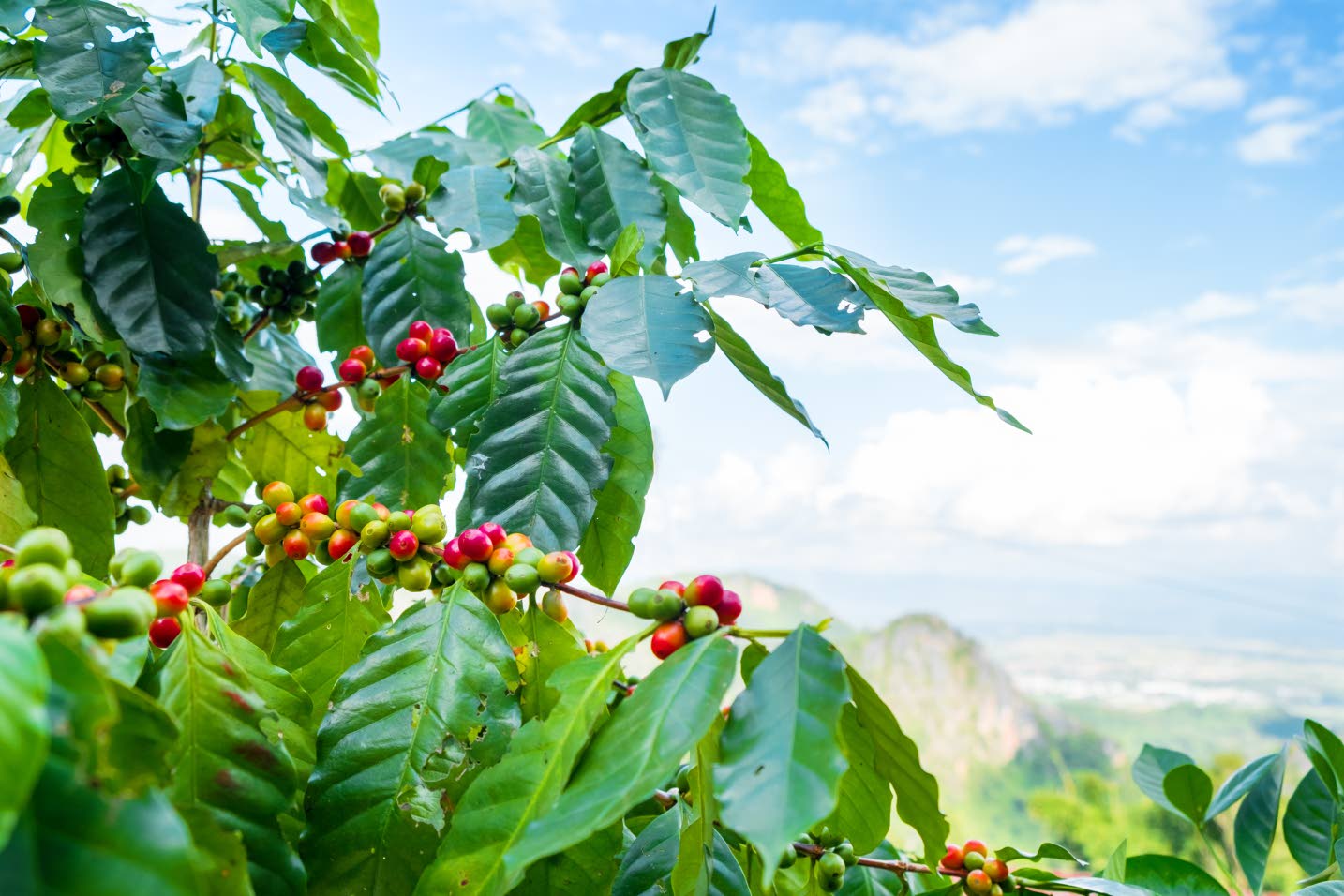
Coffee trees in full bloom before fire swept through sections of the farming area, destoying crops and setting back production.
Amid the sector’s challenges, production also remains under strain falling below 200,000 boxes last year. Pessoa-Green said this could fall below 150,000 boxes for the current crop if adverse conditions persist. The continued decline, he said, could have significant implications for the supply of Jamaican coffee, including the internationally recognised Jamaica Blue Mountain brand.
In light of this, the JCGA, as part of its immediate priority, said it has had to shift focus to helping farmers survive the current conditions while putting measures in place to make farms more resilient to future droughts.
The association has about 800 farmers formally enrolled in its network, though it represents an industry made up of thousands of players.
Pessoa-Green said that in addition to expanding its advisory and extension work, the group is also working to collect better farm-level data on yields as well as disease and weather conditions to facilitate more targeted interventions rather than relying on estimates.
“This information will be very useful in strengthening the sector’s resilience. To better support growth, those efforts will also require greater investment from both farmers and external stakeholders as climate-related threats become increasingly difficult to predict,” he said.


