



Six months late
Golding raps Gov’t for delay in environment levy
Opposition Leader Mark Golding has criticised the Government’s pace in legislating the environmental protection levy (EPL), saying the delay has prevented the collection of revenue contemplated in this year’s fiscal plans, with the measure now set to become payable six months later than originally planned.
Golding made the point in the House of Representatives on Tuesday as Finance Minister Fayval Williams tabled the Environmental Protection Levy Act, 2026, which seeks to establish a statutory framework for the levy and give legal effect to its collection.
The legislation provides for the revised levy rate of 0.85 per cent, up from 0.5 per cent, to take effect on October 1, 2026. For locally manufactured goods, the 0.85 per cent rate will continue to be applied to 75 per cent of the selling price before GCT and SCT, while imports will attract the levy on their full cost, insurance and freight (CIF) value.
The measure was initially announced as part of the Government’s 2026/27 revenue package, with the higher rate originally scheduled to take effect earlier in the fiscal year. The Government had initially proposed an increase from 0.5 per cent to 0.8 per cent and an expansion of the domestic manufacturing base from 75 per cent to 100 per cent of sales.
Following concerns from manufacturers about the effect of the proposed change on their competitiveness, the Government retained the 75 per cent base for locally manufactured goods and increased the proposed rate to 0.85 per cent instead. The revised measure was projected to raise approximately $3.6 billion.
But on Tuesday, Golding said the delay has created a disconnect between the Government’s revenue projections and the legal machinery needed to collect the money.
“My recollection is that the revenue measures for this current fiscal year have contemplated that this levy would have been imposed effective April 1. It is now going to be October 1 when it becomes payable under the law… We can’t have a situation where the budget of the country is constructed along with all the targets to do with primary services, overall fiscal deficits of services, and so on, debt reduction, predicated on revenues being collected which cannot be collected because the necessary legal instruments haven’t been put in place on a prompt basis,” he said.
The Opposition leader also questioned the decision to bring the legislation to Parliament for consideration and passage on the same day it was first tabled.
He said MPs, particularly those on the Opposition benches, need adequate time to examine tax legislation before being asked to approve it.
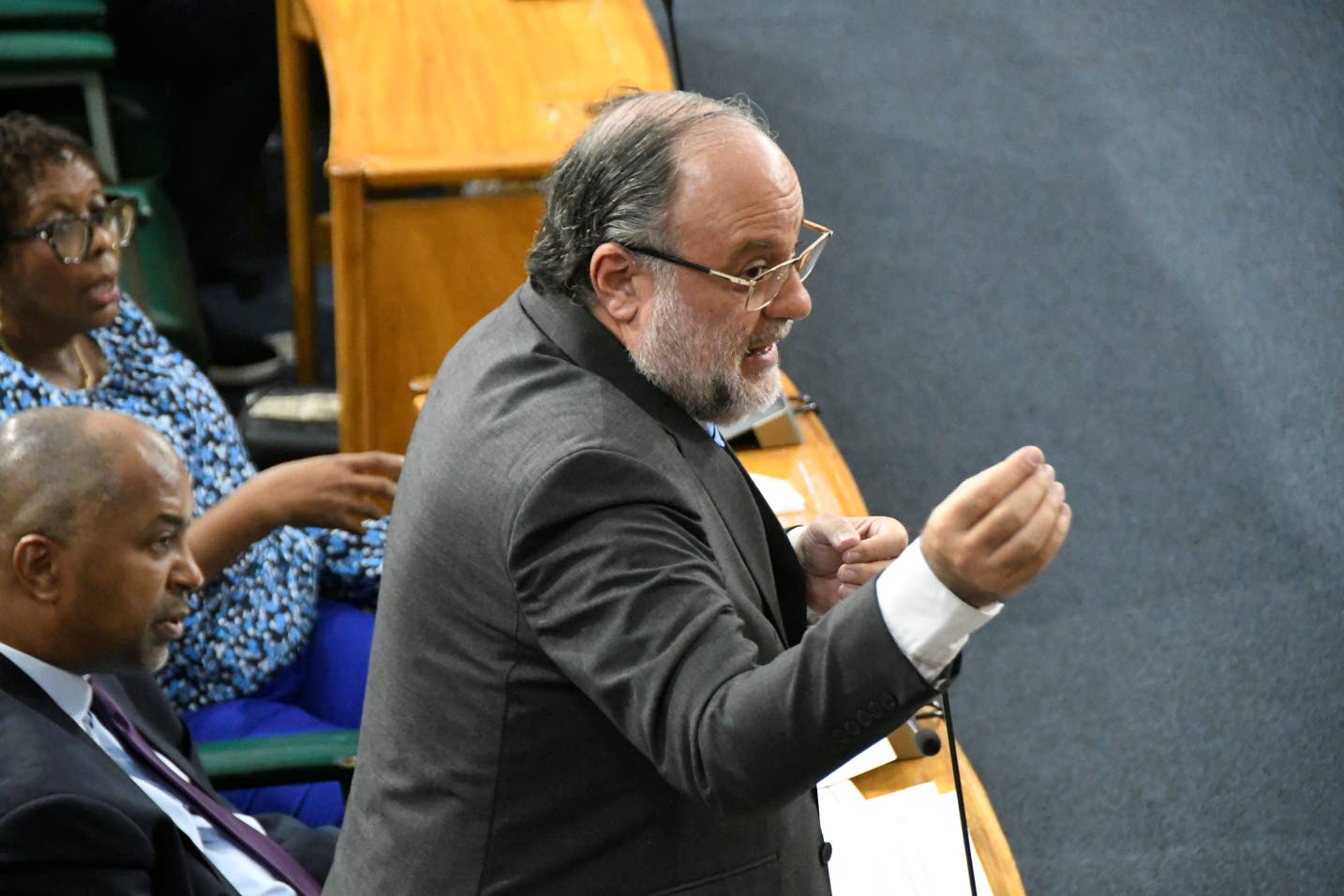
Mark Golding (Photo: Karl Mclarty)
“Now I understand from the minister that she has a real predicament and she needs to have this in law by the end of the month… But we must organise our affairs better so that we don’t find ourselves in such a predicament and then rush to pass legislation,” Golding said.
Member of Parliament for Manchester Southern Peter Bunting also criticised the delay in implementing the levy, saying the issue reflects a broader problem with the timing and preparation of tax measures.
He pointed to another revenue measure involving changes to the GCT treatment of Jamaica’s accommodation sector, saying operators are still seeking clarity about how that regime will work despite the approaching implementation date.
“This is not a minor administrative matter. The Government itself recognised that it needed lead time and gave a year. But six months out of that time have gone by and we still don’t know how the new regime will work,” Bunting said.
He said uncertainty over the accommodation-sector measure included how existing bookings would be treated, how short-term rentals would be defined and who would be responsible for collecting and remitting the tax.
Bunting’s broader concern is that businesses need sufficient notice to adjust to tax changes and the insisted that the Government should provide clarity before new measures become effective.
In response to the concerns over the EPL legislation, Williams defended the preparation of the Bill and said the Government had taken the necessary steps before bringing it to Parliament.
“I heard all the questions. I just want to say to the members, this Bill went through due consideration, and we are here because of that analysis that was done. We have every confidence in the advice that we were given,” Williams said.
The EPL is intended to address environmental impacts associated with the consumption, use and disposal of imported and locally manufactured goods. The Government has also said the increased levy forms part of its efforts to strengthen climate resilience and raise revenue following the country’s heightened fiscal pressures.


